It seems fitting that the world’s first full-service Islamic bank is the winner of the award for the Middle East’s best Islamic bank. Since 1975, Dubai Islamic Bank (DIB) has been steadily building what is now the second-largest Shariah-compliant banking business in the world by assets.
With total assets of $78.4 billion, the bank is competitive across the region in retail banking, treasury, investment banking and capital market products.
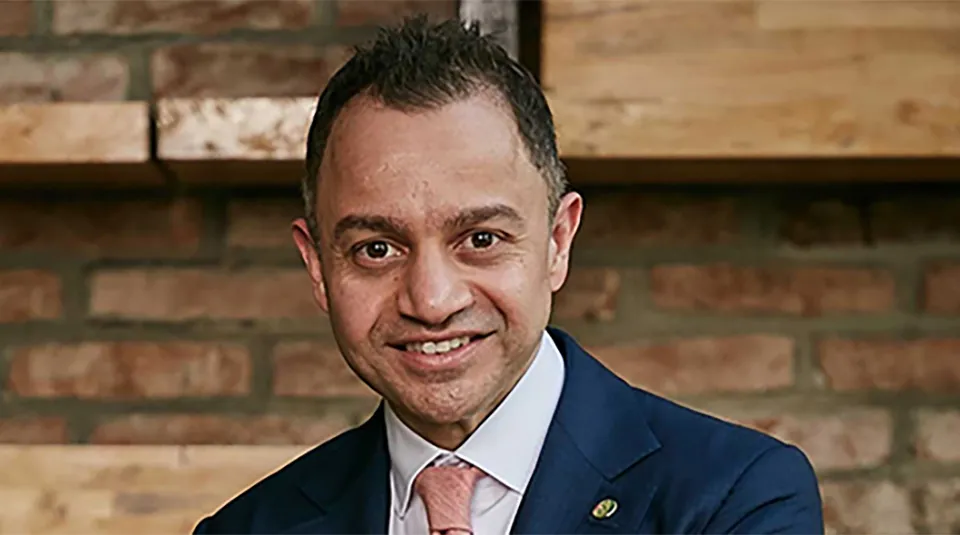
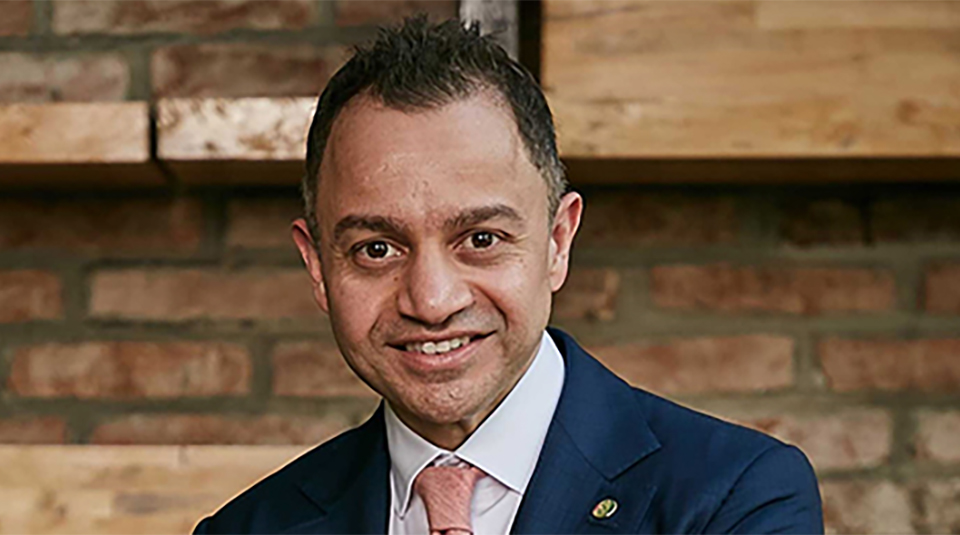
Led since 2013 by chief executive Adnan Chilwan, DIB has grown to have a presence in seven countries, including Indonesia, Kenya and Pakistan, and now has more than 10,000 employees.
The bank plays a big role in the region’s debt capital markets. Its share of sukuk investments rose to 24% in 2022, up from 14.2% in 2016. DIB has arranged around 145 large sukuk deals since 2014, handling more sovereign issues than all the other Islamic banks combined.
It is also the unrivalled leader in arranging environmental, social and governance (ESG) sukuk deals, having led 45 transactions with a value of more than $28 billion.
The breadth of the bank’s relationships with elite sukuk investors around the world is a key competitive advantage. In the Middle East and north Africa region, DIB’s distribution network includes upwards of 150 of the world’s top investors.
DIB also boasts one of the region’s most innovative Shariah structuring teams. These deals are arranged through its subsidiary, Dar Al Sharia. The bank has a strong private-placement franchise, thanks to deep links to key regional anchor investors.
These businesses are among the drivers of DIB’s bottom line. Net profit rose 26% in 2022 year on year, to reach $1.5 billion.
The bank’s cost of capital, meanwhile, fell by 70 basis points last year to 26.1%. DIB boasts one of the lowest cost-to-income ratios in the UAE. Impairments declined 14% year on year thanks to lower non-performing assets. That enabled the disbursement of a 30% dividend to shareholders, up from 25% in 2021.
The breadth of the bank’s relationships with elite sukuk investors around the world is a key competitive advantage
Looking forward, Chilwan is determined to increase DIB’s share of the sustainability market. DIB was the first UAE financial institution to issue a sustainable sukuk. So far, the bank has participated in $6 billion of Islamic ESG capital market transactions.
In February 2023, for example, DIB priced its second sustainable sukuk, a $1 billion 5.5-year senior deal. It was issued in accordance with the bank’s sustainable finance framework, created to ensure deal quality as DIB drives the financing of green and social initiatives and projects in the region.
The sukuk was the biggest such sustainable issue in the Middle East. It also was the largest international issuance by a Middle Eastern financial institution since June 2021. It was a timely reminder of DIB’s leadership in Islamic and green finance – and its unique ability to pull in strong investor demand from Europe, Asia and the Middle East. The deal was three times oversubscribed – the largest book size seen for a Gulf bank deal in over 12 months.