BNP Paribas announced in March that ALiX, the FX digital trading assistant that the bank launched in September 2019 for algos only, is now available for spot, forwards, swaps, options and orders.
It is designed to give clients access to live tradable prices, helping them speed up daily tasks such as rolling FX positions or pricing complex options requests.
At around the same time, Barclays introduced BARX Book for FX, which gives corporate and institutional clients access to principal liquidity streams and an increased number of external liquidity providers.

These clients can now access a new implementation shortfall algorithm to manage the trade-off between arrival price slippage and execution price risk, giving them the flexibility to choose an execution style intended to minimize market impact for a given level of risk.
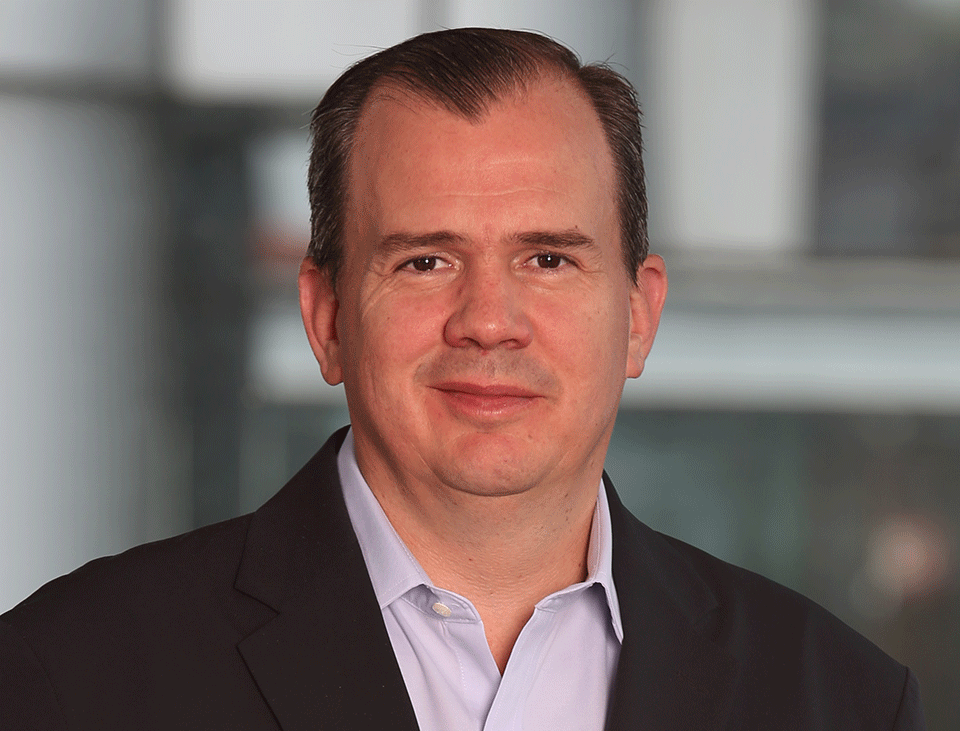
Joe Nash, FX and local markets digital COO at BNP Paribas, describes ALiX as a completely new design concept for a single-dealer FX platform.
“We have taken almost everything you can do on Cortex FX [the bank’s multi-product FX trading platform] and made it accessible via a tiny widget in the corner of the screen,” he says.
“Users type a request for any Cortex product, including the trade details, into the search bar and the pricing tile for that product will open on the screen, complete with the trade details requested and price.”
Other additions to Cortex FX over the last 12 months include a new orders framework, deeper integration with HTML5 and OpenFin, and a dedicated chat service.
The platform experienced a 72% increase in volumes last year, and these were up by 68% in the first three months of this year compared to the same period in 2020, according to Nash.
Expansion
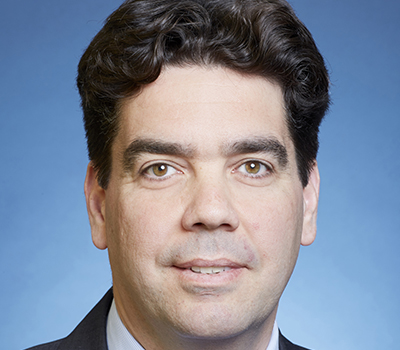
Elsewhere, Hilal Mehydene, global head of e-FX trading at Standard Chartered, says his bank enabled auto-risk management in the fourth quarter of 2020 and is working to develop this for Asian non-deliverable forwards, with progressive expansion in currency pair coverage and client coverage over the remainder of this year.
“We believe integration of these capabilities into our algo offering will give clients unique access to deep liquidity,” says Mehydene.
“In addition to these developments, a major landmark in our FX digitization journey will be the launch of our next generation single-dealer platform.”
This platform is being piloted by a number of clients and is expected to be ready for wider commercial launch later this year.
From a functionality perspective, the focus at HSBC has been on algo execution, providing clients with pre-trade decision support tools. The objective behind these enhancements is to enable clients to take control of their execution.
“It is about making information available on market and liquidity conditions and volatility,” says Richard Anthony, global head of FX eRisk and commodities at HSBC.
“This allows clients to make informed decisions about which algo they might want to use and over what timeframe, as well as enabling analysis of algo performance.”
Deutsche Bank’s priority in electronic FX trading innovation has been to enable clients to work ‘resting orders’ against the bank’s internal franchise liquidity, moving away from the traditional business model of streaming prices out and clients crossing spread to transfer risk. Several varieties of this workflow are available.
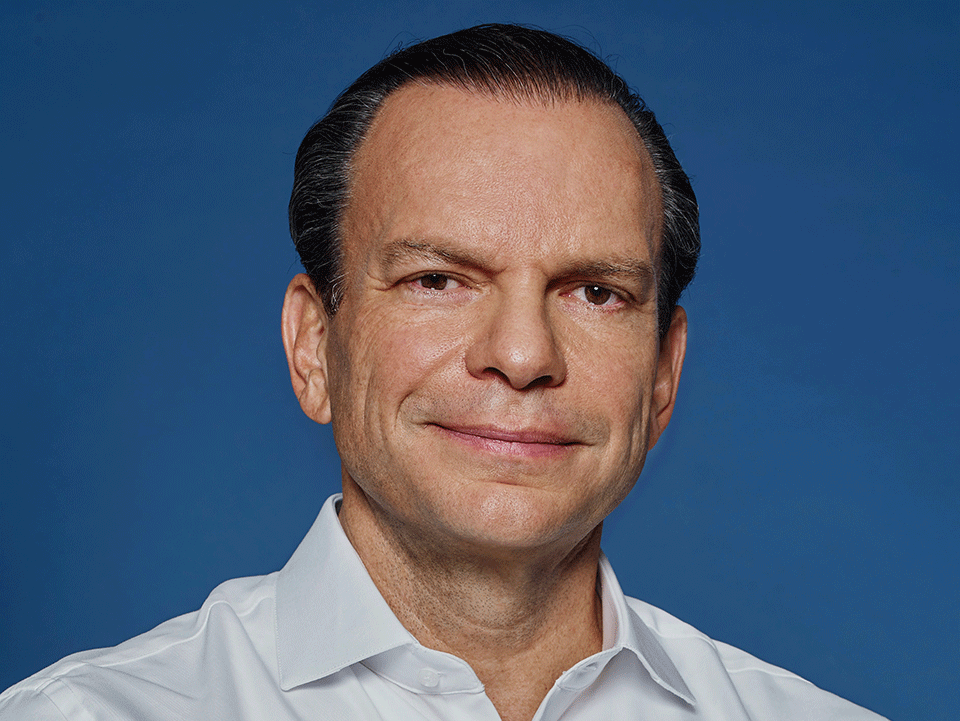
“There is strong growth in this segment, particularly from clients looking to save or even earn spread, while working interest with minimal market footprint,” says Roel Oomen, Deutsche Bank’s global head of FIC quantitative trading.
The shift to a working-from-home model has been remarkably smooth
Roel Oomen, Deutsche Bank
BNPP’s Nash says the sudden advent of mass homeworking and immediate pressure on a user’s screen real estate pushed its new design to the top of the bank’s list of development priorities.
And Oomen at Deutsche Bank agrees that homeworking has accelerated the development of electronic FX trading solutions.
“The shift to a working-from-home model has been remarkably smooth, but it has reiterated to many the importance of having electronic workflow solutions integrated across the full scope of the trading process,” says Oomen.
Deutsche Bank’s mobile app has also gained traction by providing real-time market colour, daily trader commentary and FX volume grids, in addition to full FX trade execution and the ability to plan and manage standard orders as well as interact with algo orders.
Oomen says he has been impressed by how the technology teams at the bank – and many of its clients and partners – have been able to sustain this level of change and innovation via remote working.