Under “normal” circumstances, the dollar could have been expected to strengthen further over recent months in response to higher US interest rates. However, the authors of a JPMorgan research note issued in late March observe that almost half of all the central banks globally increased rates in the first quarter of the year – a trend that was conspicuously absent during previous hiking cycles.
Front-end yields have increased more in the US this year than in other G10 countries, but the global nature of the rise in inflation means yields are moving higher across the board and at considerable speed.
The market has now gone quite a long way towards pricing Fed tightening risks, both in terms of frontloading the hikes and pricing rates to persist higher for longer
Themistoklis Fiotakis, Barclays
“The European Central Bank, for instance, is now priced to take rates positive by the end of the year, which if delivered will have a positive impact on EUR/USD even if the Fed continues its own hiking cycle,” says Shreyas Gopal, FX strategist at Deutsche Bank.
Themistoklis Fiotakis, global head of FX and EM macro strategy at Barclays, agrees that the dollar rally has been lacklustre considering the scale of the move in US fixed income and the idiosyncratic shocks hitting the euro and the yen as well as the broad pick-up in risk aversion evident in equity market volatility.
“We think that to a large degree this reflects the fact that the market has now gone quite a long way towards pricing Fed tightening risks, both in terms of frontloading the hikes and pricing rates to persist higher for longer,” he says.
Ebrahim Rahbari, global head of FX analysis at Citi, adds that investors with long positions in the dollar are among the list of factors contributing to the currency’s sluggish performance. “In an environment where investors are more focused on risk reduction and risk management, we expect the dollar to underperform US rate increases,” he says.
The failure of the dollar to outperform can also be attributed to the appreciation of commodity-backed currencies such as the BRL, ZAR, AUD and NZD in response to rising commodity prices resulting from Russia’s invasion of Ukraine.
Driving factors
This is yet another reminder that currencies are driven by many factors, including risk appetite, positioning and flows – elements that don’t always point in the same direction as that which interest rates are signalling and can therefore act as a headwind or even move exchange rates in the opposite direction.
Rate expectations have moved aggressively higher for other countries
Daragh Maher, HSBC
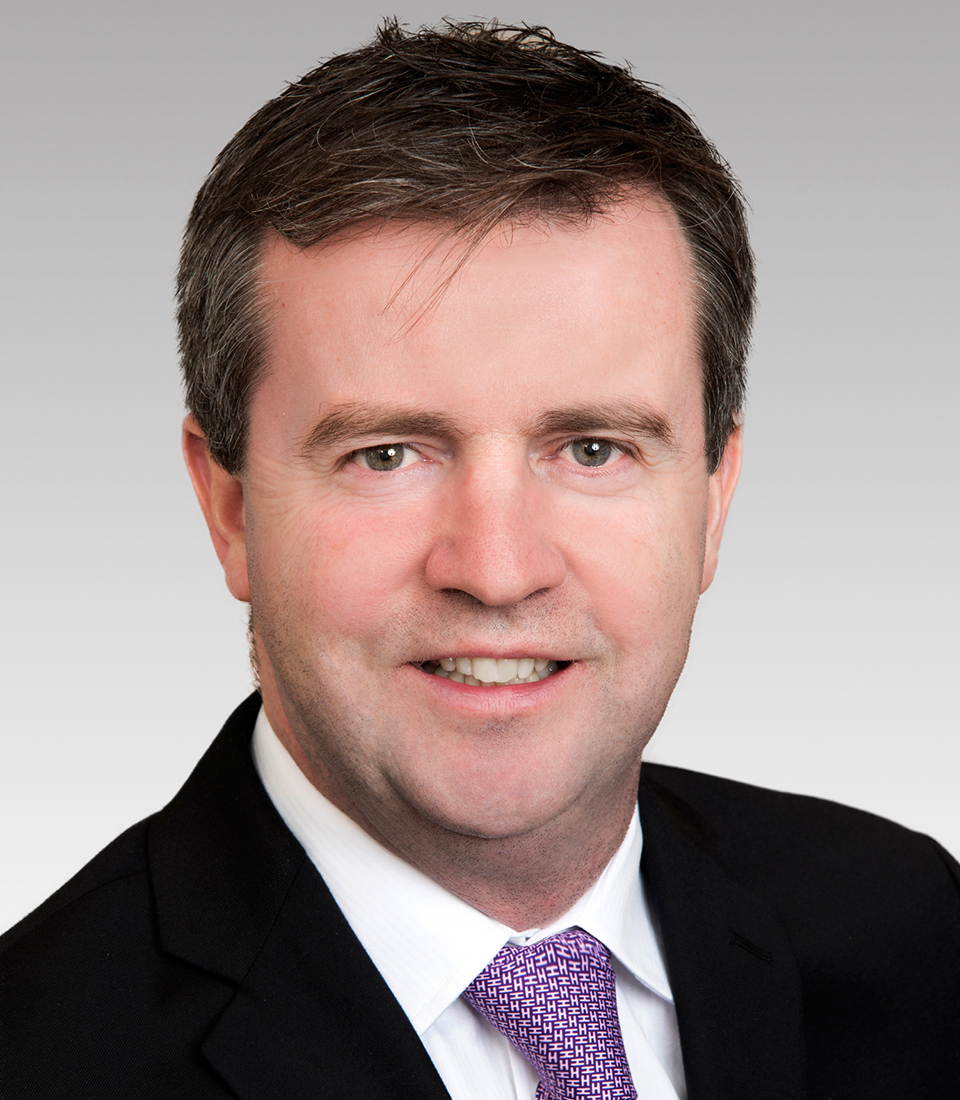
“Rate expectations have moved aggressively higher for other countries,” says Daragh Maher, head of research in the Americas and head of FX strategy in the US for HSBC. “One notable exception to this is the Bank of Japan, which continues to emphasize its commitment to accommodative monetary policy.”
Analysts are divided on whether markets have reached peak Fed pricing. Fiotakis at Barclays suggests it is not far away, while Citi’s Rahbari reckons the Fed funds rate could be at 3% by the end of the year and continue rising next year, as inflation remains stubbornly high but without the economy (yet) falling into recession.
BNY Mellon believes Fed pricing is still too shallow and reckons forward market indicators of a maximum policy rate of about 3% for the second half of next year are conservative. It expects the Fed to be more aggressive for longer and policy rates to reach 4% by the middle of next year, well above current market pricing.
“The recent increase in yields at longer maturities is beginning – but only just beginning – to reflect the notion that rates will stay higher for longer, but they still have a way to go to be consistent with our view of Fed policy into 2023 and 2024,” says BNY Mellon’s Americas FX and macro strategist, John Velis.
Ready to move
While it might be hard to say that markets have reached a long-term peak in Fed pricing, it is probably impossible to say they haven’t reached a short- to mid-term peak. That is the view of Steve Sosnick, chief strategist at Interactive Brokers, who reckons the Fed is now ready to move.
“Bearing in mind that they have only raised rates by 25 basis points and that the balance sheet is still growing despite the end of QE, it is quite possible that rates have overshot their target on a short-term basis,” he says. “But if governors like Bullard [James Bullard, president of the Federal Reserve Bank of St Louis] are serious about getting rates to about 3.5% by year-end, then we likely have not seen peak Fed pricing.”

Risks are skewed towards rates markets pricing in more tightening in the coming months. However, BNP Paribas does not expect this to prove very bullish for USD because market positioning is already long, central banks outside the US will be tightening alongside the Fed, and the dollar appears overvalued on a long-term fair-value basis, says the bank’s FX strategist, Alexander Jekov.
Ipek Ozkardeskaya, senior analyst at Swissquote, sees rising US yields supporting a further appreciation in the dollar, “although we will see periods of minor downside corrections as the other major central banks shift to more hawkish policy decisions as a result of globally rising inflation.”
Whether markets have indeed reached peak Fed pricing will depend on the data, and given the upside surprises on inflation over the last year it would be brave to call a peak with any certainty. What is clear, however, is that a lot is priced in by way of Fed tightening which – while supportive for the dollar in terms of interest rate levels – means the future pace of dollar gains is likely to be modest.
“Perhaps the most interesting aspect for the dollar is whether Fed expectations two and three years out continue to push higher,” concludes Maher.