
Barclays headed into 2021 hoping for great things. The pandemic year of 2020 saw the bank – and its chief executive at the time, Jes Staley – vindicated in its faith in its investment banking business in the face of some shareholder opposition. The decision by activist Ed Bramson to throw in the towel in May seemed to confirm that view.
A swathe of management rejigs and hires in the investment bank in the summer – including an important statement in the promotion of newish Americas equity capital markets heads Kristin DeClark and Taylor Wright to head all of capital markets globally – looked to have laid the groundwork for more momentum to come.
And at the end of the third quarter of 2021, many areas of the investment bank were growing well. Equities trading had bucked the trend at peers in continuing to rise, with revenues up 29% on a trailing 12-month basis compared with the previous period.
Advisory revenues were up 63% and ECM – for so long an underperformer at the bank – up 79%.
That performance helped to counterbalance a 3% fall in Barclays’ UK consumer and business banking franchise and a 12% drop in its international consumer, cards and payments unit.
Profits have been a different story, however, with pre-provision profit before tax falling 11% on the same trailing 12-month basis, despite a 2% rise in the corporate and investment bank. But returns are on the right track, with quarterly return on tangible equity averaging nearly 12% over that same period, a rise of more than seven percentage points from the previous 12 months. RoTE at the corporate and investment bank averaged 14%, up five points.
Succession
But by the end of the year, one story overshadowed everything else: the departure of Staley on November 1 after the bank was given a preview of the Financial Conduct Authority’s conclusions in its long-running probe into the way in which Staley had previously described his relationship with the disgraced financier Jeffrey Epstein, who died in prison in 2019 while awaiting trial on charges of sex trafficking.
Staley quit to be in a position to contest the regulator’s findings that his relationship with Epstein was closer than he had previously indicated, which he would not have been able to do while still in post.
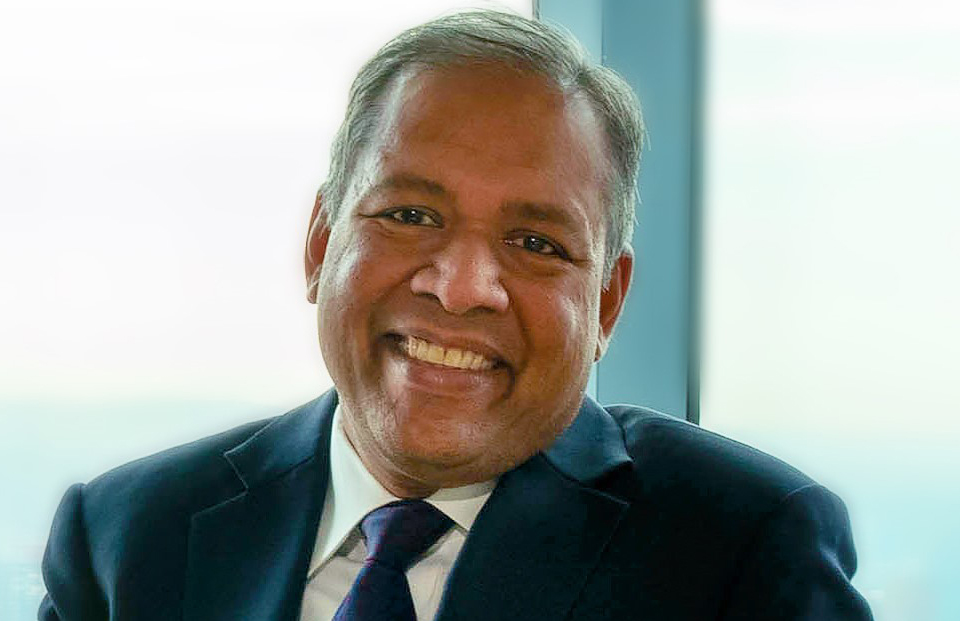
Barclays already had succession planning well in train, with CS ‘Venkat’ Venkatakrishnan and Paul Compton having both been positioned as co-heads of Barclays’ investment bank in 2020.
Venkat is fortunate to inherit a franchise that, for the moment, appears to be on the up
Venkat, who had been the preferred candidate for the top role, was quickly installed after Staley’s exit. His job now is to maintain continuity of strategy while also breaking the train of mishaps that characterised Staley’s tenure at the top.
That is a tricky balance, but Venkat’s reputation as a reliable pair of hands stands him in good stead. He is fortunate to inherit a franchise that, for the moment, appears to be on the up and, unlike many peers, has real growth potential, particularly in investment banking.
Whether or not that potential can be tapped depends on Venkat’s commitment to the kind of joined-up approach to getting more out of the bank’s corporate and institutional relationships that Staley always said was his objective.
If Venkat can steady the ship reputationally, while keeping the momentum across the business lines, the bank might have a year to remember – for the right reasons.



