Islamic banks have been particularly industrious in their efforts to integrate an environmental, social and governance focus into their core strategy and operations.
One bank that successfully focused on this last year was Abu Dhabi Islamic Bank, which offered an impressive range of ESG-related activities, projects and initiatives across its internal operations, as well as in its support for retail customers and corporate clients.
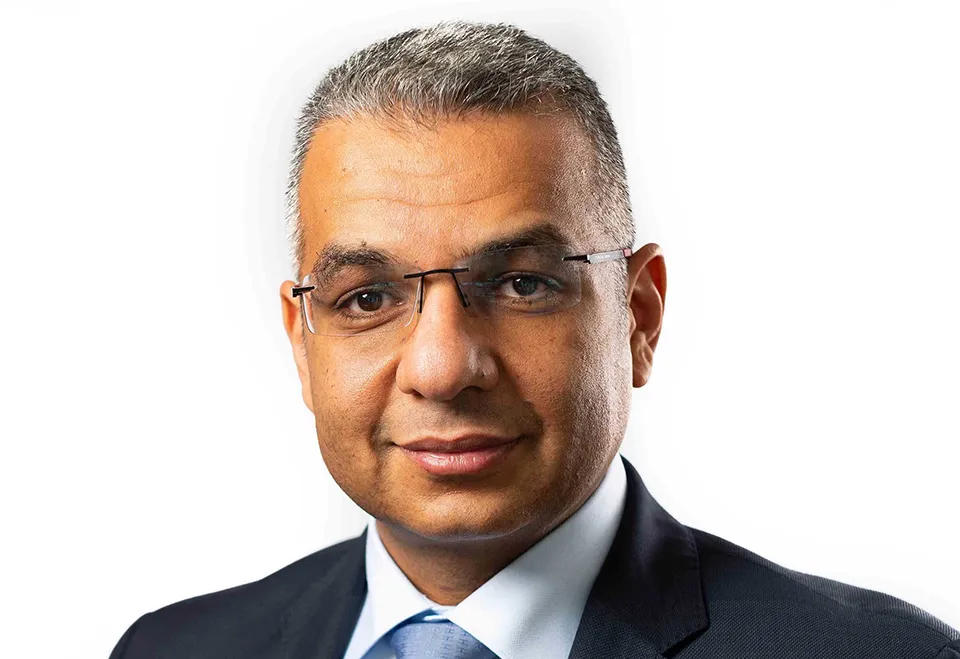
The positive impact of these initiatives sees ADIB named as Euromoney’s best Islamic bank for ESG. Its acting group chief executive is Mohamed Abdelbary.
At the heart of this activity is the bank’s three-year ESG strategy, which sets a wide range of key target areas and ambitions. These include integrating ESG considerations into investment and finance decisions, reporting on ESG performance and developments, executing an Emiratization strategy, developing financial-inclusion policies and programmes, integrating ESG into governance structures and culture, and promoting gender diversity and employee well-being.

There has been good progress in many of these areas, including in women’s representation in executive roles – women now represent 14% of ADIB’s board and 40% of its entire workforce – and in Emiratization, where its ratio rose to 44%; one of the highest ratios among all UAE banks.
Another key piece in the strategy was publishing a sustainable finance framework, which is a fundamental pillar of the bank – an official signatory of the UN Principles for Responsible Banking – providing green, social and sustainable finance to wholesale banking clients across sectors whose projects are deemed eligible.
The bank is focusing on environmental projects in key sectors, from renewable energy and energy efficiency, to green buildings, pollution prevention and control, sustainable water and wastewater management, and clean transportation.
On the social side, the bank is focusing on projects supporting access to healthcare and education, employment generation and affordable housing.
Notably, such projects will be part financed from the proceeds of ADIB’s ground-breaking $500 million green sukuk last year – the first green, dollar-denominated sukuk issued by a financial institution.
ADIB offered an impressive range of ESG-related activities across its internal operations, as well as in support of its retail and corporate clients
One important transaction on the lending side was the Dh1 billion ($270 million) sustainability-linked loan for Abu Dhabi real estate developer and investment company, Aldar Properties, arranged by ADIB. The loan will help finance sustainable projects such as green buildings, property upgrades to enhance energy efficiency, sustainable water management, pollution control measures, and renewable energy sources.
ADIB also invested Dh23 million in community development initiatives last year, and provided over Dh1.4 billion in small and medium-sized enterprise financing.
Beyond financing ESG-activities and the sustainable transition, ADIB struck agreements, formed partnerships and supported multiple initiatives aimed at delivering a positive environmental and social impact.
These efforts included partnering with global logistics group DHL to reduce the carbon emissions associated with the bank’s shipments, and intensifying its Al Ghaf paperless programme, which is aimed at eliminating paper usage across the bank’s operations.
ADIB also contributed Dh1 million to the ‘One billion meals endowment’ campaign, which aims to help vulnerable communities in dozens of countries around the world during the holy month of Ramadan.