
The past year posed extraordinary financing challenges for the world’s corporates. However, the political and economic conditions they faced also created an opportunity for creative banks to thrive.
Many corporates were facing a pressing need to de-lever pandemic build-ups on their balance sheets, while equity markets were hit by the challenges of geopolitical and financial volatility and rising global interest rates. What might have been a series of relatively straightforward IPOs and follow-ons became a succession of strategic and tactical puzzles.
In this environment, Goldman Sachs stood out – its reputation for creativity and flexibility proving the differentiator for both winning mandates and executing crucial equity raises around the world.
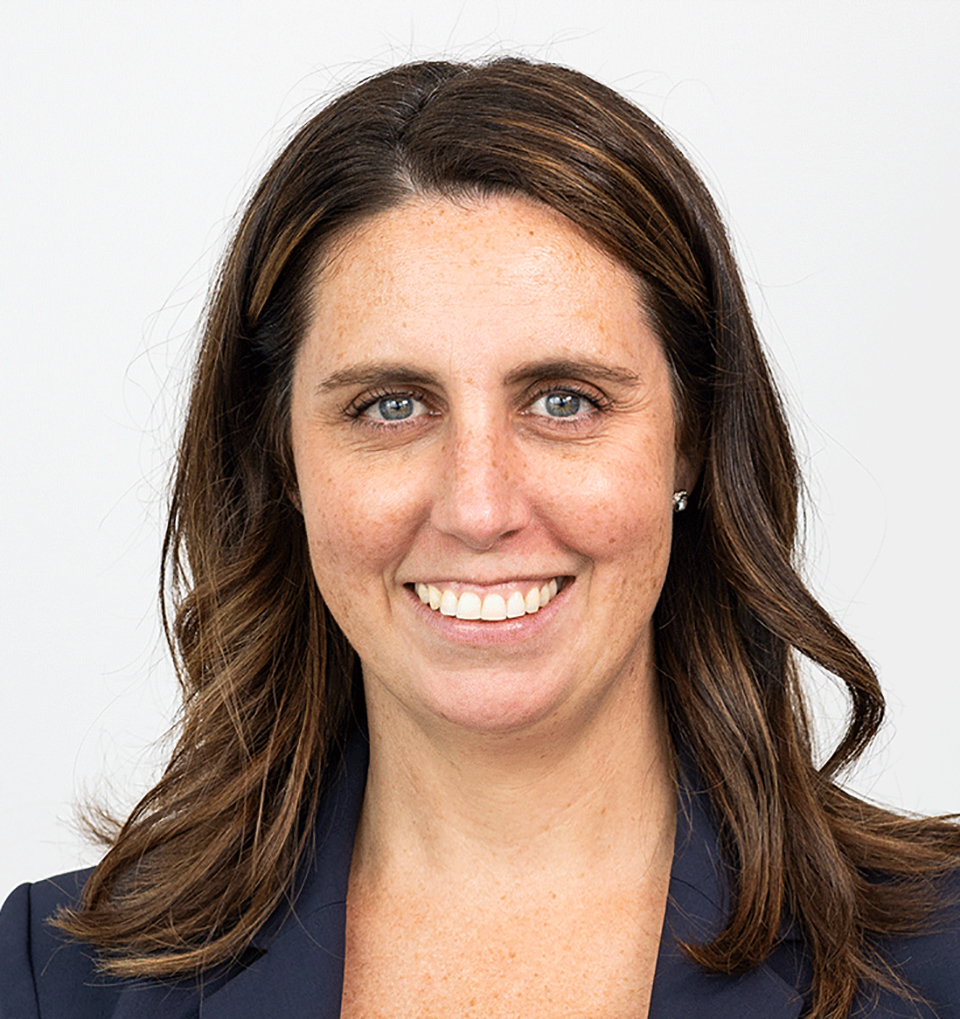
“The 12 months that followed from Russia’s invasion of Ukraine to the problems around SVB [Silicon Valley Bank] and US regional banks in March 2023 were very challenging for corporate issuers,” says Beth Hammack, co-head of the global financing group in the investment banking division of Goldman. “Markets were volatile, with risk-off periods of unpredictable duration.
Shortlisted
- Citi
- JPMorgan
“Companies had to pick their issuance windows and be nimble. There were times when we pivoted between different instruments and between different investor bases in the same instruments.”
Hammack also notes the valuation challenge caused by the rapidly rising rates environment in many regions and particularly the US. This leap into higher nominal rates with an uncertain outlook made it hard to apply traditional discounted cash-flow valuations to assets and difficult for companies to raise capital by selling straight equity or whole businesses.
Given these issues in the public equity markets at the start of 2023, Stripe, the e-commerce payments firm, had to reexamine its strategy to raise the funds it needed to cash out veteran employees’ restricted stock and meet associated tax liabilities. Had it needed to do this in 2021, it might have executed an IPO or direct listing. Instead, Goldman acted as sole placement agent on the largest-ever US equity private placement for the company, raising $6.5 billion from existing and new shareholders, and kept the company’s IPO on ice for a more favourable market.
Convertible bonds were another tactic that Goldman used to help companies raise financing without committing to direct equity sales when valuations were at cyclically low levels – especially for growth tech names. In this space the bank acted as sole bookrunner and coordinator on a $1 billion deal for Chinese delivery firm ZTO, the largest convertible bond of 2022.
However, public issuance was not completely dead and Goldman secured many mandates for corporate equity capital markets transactions, including the IPOs for Porsche and Mobileye, two of the most prestigious listings of the year. The bank topped Dealogic’s global equity and equity-linked table for the fifth year in a row and claimed a 10% market share.
The rapidly changing interest-rate environment was also a problem for debt markets; corporates had to rediscover nimbleness in executing in good windows and sourcing all-in-financing savings by exploring new pockets of liquidity.
Such innovation and flexibility was valued at a premium by corporates in the past year – and Goldman demonstrated this on many occasions. For example, in November 2022, it developed a first-of-its-kind securitization financing backed by ‘fibre to the premises’ infrastructure and monthly payments from consumers for MetroNet, a privately owned telecommunications company.
Companies had to pick their issuance windows and be nimble. There were times when we pivoted between different instruments and between different investor bases in the same instruments
Beth Hammack
“The company needed as much money as possible and we helped them to raise $1.2 billion on the inaugural offering and another $600 million through a follow-on in March 2023,” says Vivek Bantwal, co-head of the global financing group at Goldman Sachs.
“We were able to position the company to the ratings agencies as a utility, arguing that, in the era of working from home, customers would keep paying their internet and cable bills. That allowed us to get to seven-times leverage while maintaining investment grade on the notes.”
Post-pandemic restructuring was largely postponed by the volatility of the past year, but it remains on the horizon and that delay will likely result in higher deal flow when it eventually comes. Goldman is ideally placed to capitalize on restructuring activity. For example, in the third quarter of 2022, Latam Airlines in Chile was looking to emerge from bankruptcy and replace its debtor-in-possession financing. Goldman was left lead arranger of a $1.1 billion term loan B and joint lead arranger of $1.15 billion in senior secured bonds for the airline in a complex structure that incorporated a put option for bondholders.
“Not many people were keen in 2022 to finance an airline that had previously gone bankrupt,” says Bantwal. “But we had assessed and taken on the credit risk, and we were confident enough to tell investors in the bonds that they could put them back to us if the company had not exited bankruptcy by a certain date.”
Goldman also proved its M&A advisory capacity for corporates by navigating tough and volatile markets with strategic and smart deal structures. It advised NRG Energy on the takeover of Vivint Smart Home, was sole provider of bridge financing for the deal and then led takeout financing that crossed the investment grade market with secured notes and the high-yield market with preferred shares.