In 2022, Goldman Sachs developed its own platform for digital assets, GS DAP, on top of Digital Asset’s Daml smart-contract language and Canton, its privacy enabled blockchain.
GS DAP was the platform on which in November 2022 the European Investment Bank launched a €100 million two-year digital bond with same-day settlement. This was a first syndicated digital bond that included cross-chain delivery versus payment against a prototype wholesale version of the digital euro in cooperation with the Banque de France and Banque centrale du Luxembourg.
The deal was also the first to include a representation of associated interest swap data on chain.
The EIB deal was a digital native bond, and GS DAP followed this up in February 2023 with a tokenized one-year green government bond for the Hong Kong government, which encompassed tokenized cash as well as tokenized securities. The on-chain ownership records on GS DAP are the legally definitive and final records of ownership of both the securities and cash tokens.

GS DAP, which allows for primary issuance, secondary trading, registry, custody and settlement on a private blockchain with interoperability for potential repo and securities financing and asset servicing on other chains, wins the financial innovation of the year award for 2023.
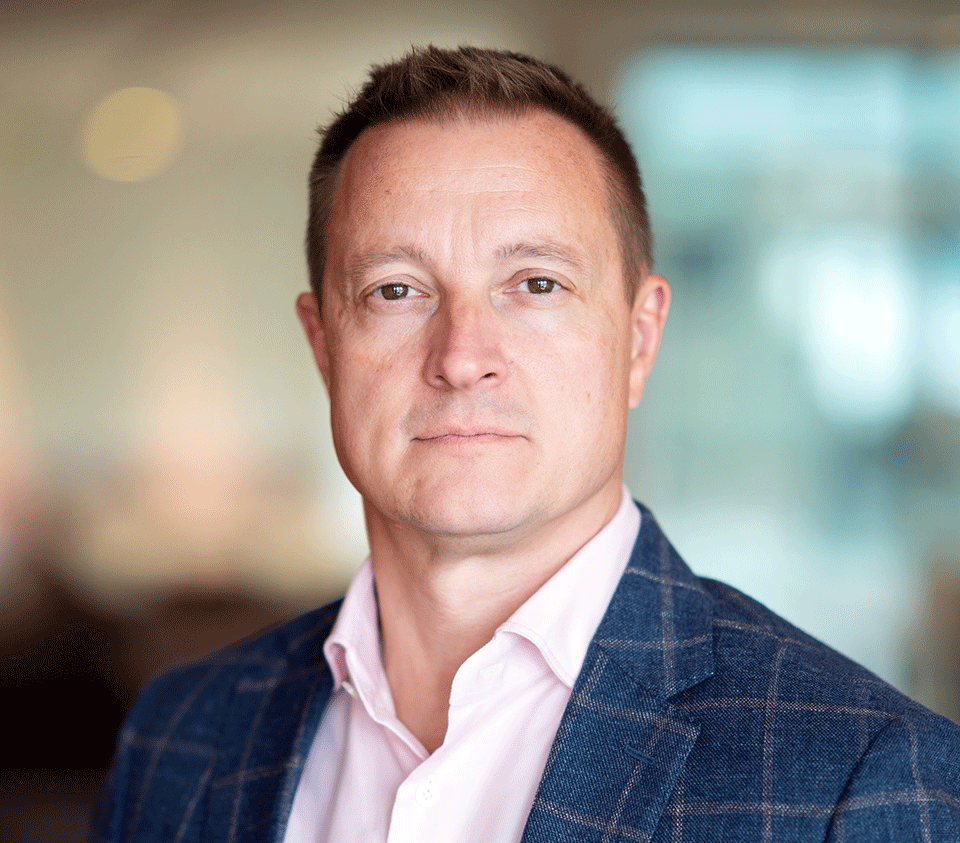
“The tokenization of bond issuance has been in play since 2017 and 2018, but I would say really progressed in 2022, when policymakers and regulators had to think through the implications of the crypto collapses from a regulatory perspective and delineate between those and the use of the underlying technology,” says Mathew McDermott, global head of digital assets at Goldman.
“We are now starting to see regulatory clarity emerging, for example with the approval of MiCA [the EU’s markets in crypto assets rules] in Europe, the introduction of the EU’s DLT [distributed-ledger technology] Pilot Regime, the UK’s plans for an FMI Sandbox, alongside various CBDC [central bank digital currency] work being done. And many politicians and regulators are becoming increasingly positive on the technology.
“We are reaching an inflexion point. There were around 15 tokenized bond deals last year. This year, there will be closer to 75,” McDermott continues.
A lot of debate around the future of finance on blockchain still remains conceptual, concerned with notions of interoperability and whether a network of blockchains can become a single set of globally consistent rails on which tokenised collateral and cash can transact simultaneously, across borders, with less risk, fewer intermediaries and lower costs than traditional processes.
We are reaching an inflexion point. There were around 15 tokenized bond deals last year. This year, there will be closer to 75
Mathew McDermott
Another long-running debate concerns private versus public blockchains. Support for open public blockchains is an ideological fixation for many crypto natives. But for any US bank, that decision has been taken by regulators. GS DAP has to be private and permissioned.
“It is not critical for each bank to have its own digital asset platform,” says McDermott. “But what we saw was an eagerness among many clients now to progress their own digital asset aspirations. Consortia can be slow and, given we wanted to accelerate our own knowledge and expertise in the underlying technology, we decided to develop our own platform while seeking to bring onto it key stakeholders like custodians, investors and other key market participants.
“While I see the potential of public blockchains, I don’t see those as the way forward at scale for institutional investors and wealth managers in the short to medium term.”
Today, most of the big-name institutional asset managers have digital asset strategies and teams exploring the potential of blockchain technology. The key next step in bond markets is to promote more secondary turnover in bonds issued on blockchain. Lack of secondary liquidity is for now discouraging many investors that would like to get involved from buying digital bonds in primary.
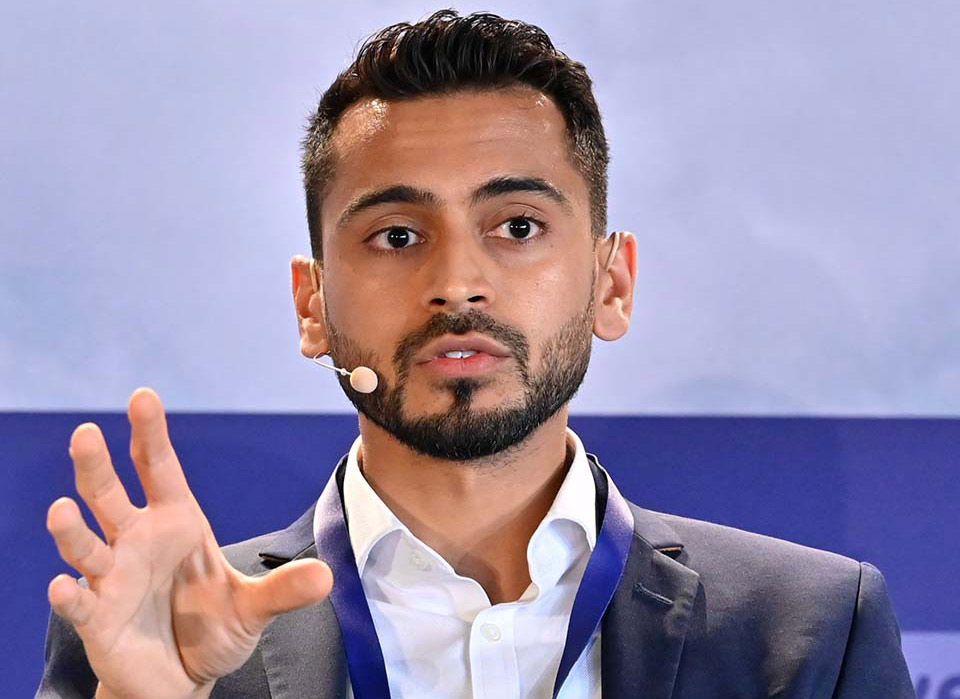
“It is fascinating to see the breadth of institutions from across the buy side who are interested now,” says Amar Amlani, head of the Goldman Sachs digital assets team in Europe, Middle East and Africa. “We had huge interest on the investor calls for the EIB and HKMA digital bonds, favouring well in comparison to a conventional transaction. And we have observed a good amount of secondary trading on the HKMA deal.”
Getting the big custodians on board will help with this. Custodians for the EIB deal on GS DAP were Goldman Sachs Bank Europe and Societe Generale, respectable names but hardly mainstream custody providers to the world’s biggest investors.
Onboarding global leaders such as BNY Mellon may improve the mobility and liquidity of a bigger universe of digital assets.
“One misconception is that to participate in a deal on blockchain requires a huge technology uplift such as running nodes or self-custodying assets,” Amlani says. “But not at all. One thing we were extremely focused on was creating a spectrum of connectivity options where, at the most simplified end, investors can participate and experience the benefits while barely touching the underlying technology themselves.”