The year 2021 brought a new medium-term business plan for MUFG and the conclusion of the old one. Gone are the ambitions to expand their business portfolio through investments in Asia, which has already played out through shrewd purchases in Indonesia, Thailand, the Philippines and elsewhere. Instead, the new priority is to ramp up profitability in key areas – Asia included – in order to hit 7.5% return on equity and ¥1 trillion ($8.7 billion) of net profit attributable to shareholders of the parent in fiscal 2023.
MUFG has identified five areas to fuel this growth: wealth management; proposing solutions to corporate customers’ issues; Asia; GCIB and global markets (that is, business with large non-Japanese companies and institutional investors); and global asset management. Notably not among them is US retail; in September MUFG announced it would sell its MUFG Union Bank to US Bancorp for $8 billion (including a $2.5 billion, 2.9% stake in Bancorp), with Morgan Stanley now the flagship for the bank in the Americas.
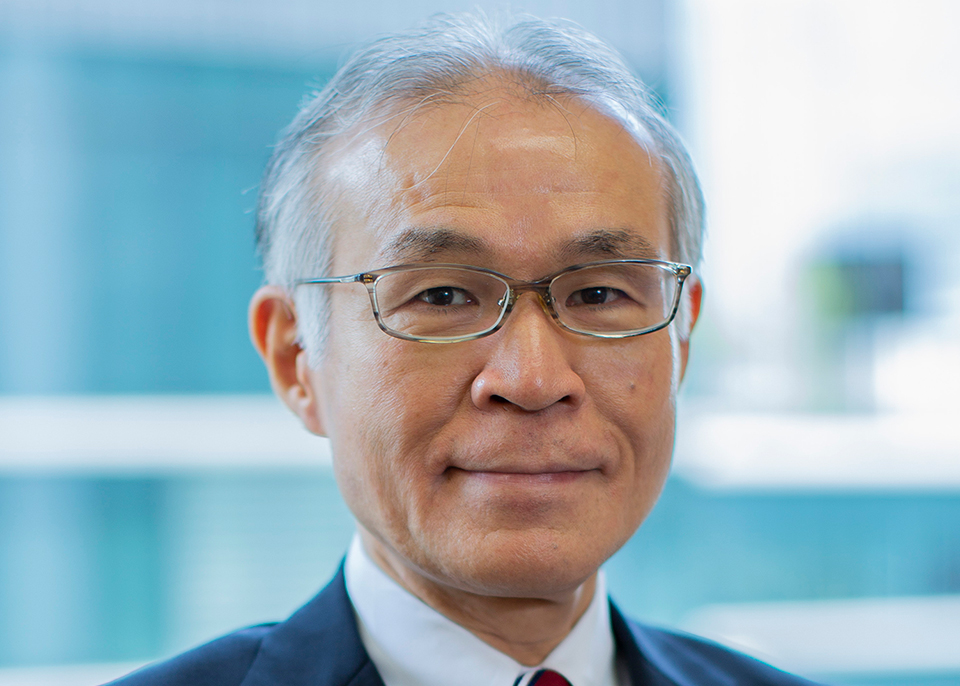
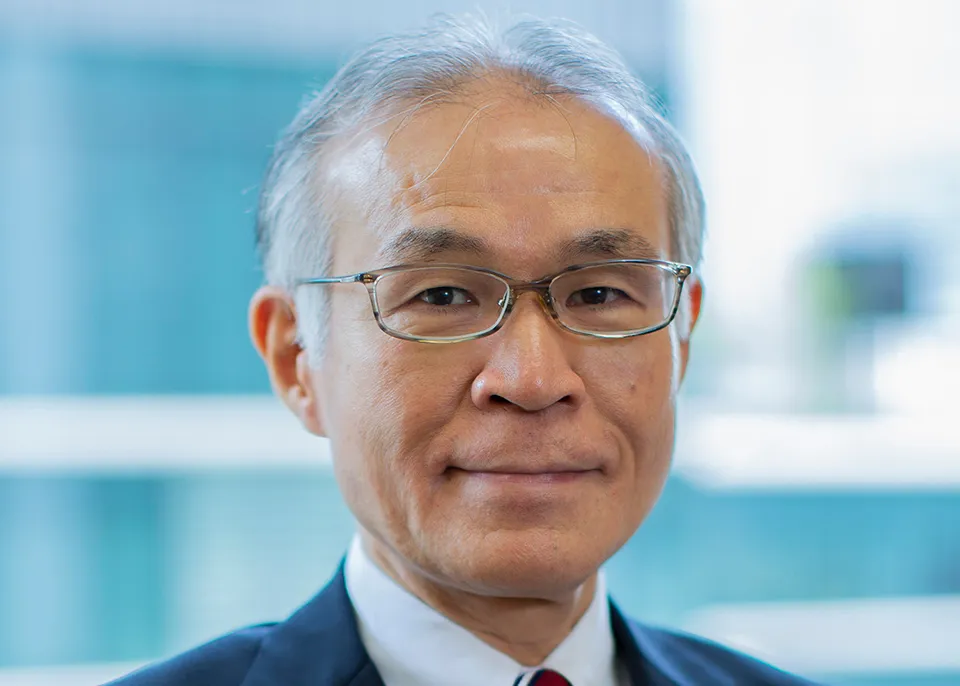
“The plan calls for corporate transformation, strategy for growth, and structural reforms,” explains Tetsuya Yonehana, CFO of MUFG Bank.
Some will be harder than others: the Asia purchases are delivering well in spite of Covid disruption, while improving the reach of wealth businesses in Japan is an enduring challenge.
Alongside the medium-term plan, Yonehana says “we believe digital transformation and efforts towards carbon neutrality will be the main themes for 2022.”
The bank is working hard on both of these. It has taken time for Japanese society to embrace digital banking, but it is happening, and MUFG has taken the approach of working with outside companies to provide platforms to serve them, “with the aim of expanding new points of contact with customers and customer services,” Yonehana says. “We have seen many achievements this year and want to accelerate this movement in 2022 as well.”
The plan calls for corporate transformation, strategy for growth, and structural reforms
Tetsuya Yonehana
As for environmental issues, MUFG made a carbon-neutrality declaration in May and is now setting targets in order to achieve it across the investment and financing portfolio by 2050. It also aims for ¥35 trillion of sustainable financing and is building a strong position in renewable energy financing.
In the short term, MUFG is emerging from Covid and enjoying the bounces in numbers that entails. Attributable profits almost doubled in the first half of fiscal 2021, thanks mainly to a reversal of allowances, as well as gains from equity securities and from the Morgan Stanley holding. That is welcome, but not evidence of improvement in core businesses. A ¥45.9 billion year-on-year improvement in net operating profits from customer segments is more positive.
By mid November, MUFG was confident enough to expect a record net profit this year, lifting its profit estimate by almost 25% to ¥1.05 trillion. That will be a landmark. But the challenge for the bank is to achieve stellar profits out of operating businesses, not just released provisions and the bounty of Morgan Stanley’s performance.