
When Brian Reilly emailed Barclays chief executive Jes Staley in the middle of 2019 to ask whether he thought it would be a good idea for the bank to set up a dedicated sustainable and impact banking (SIB) coverage effort, he didn’t expect the chief executive to be standing at his office door less than 30 minutes later. It’s not just a good idea, Staley told him, but critical: we need you to do this.
with this story

And so was born what Reilly thinks is the only group of its kind among the bank’s global peers, a unit dedicated to covering both those emerging growth companies that are developing new solutions in the environmental, social and governance (ESG) spheres and also the bank’s existing large-cap clients that are looking to transition their businesses away from old, destructive technologies. The unit sits within the industrials and power division run by John Lange.
What Reilly was proposing grew out of two other initiatives. Before becoming the first global head of the SIB group, he had been chairman of equity capital markets, in which role he had set up an ESG effort within ECM. The other building block had been the green and sustainable capital markets business that had been created earlier in 2019, run by Susan Barron.
“Before we set up the sustainable capital markets group, we had been active in the green, social and sustainable space, principally in use of proceeds,” says Barron. “But we wanted to provide a team with a global footprint, which could incorporate different industry standards as well as regulatory and investor practices.”
Traditionally the bulk of the ESG financing market has been in debt capital markets, although that is now shifting. Barclays is far from being the market leader even in debt – it has ranked 7th among global bookrunners of green, social or sustainability-linked bond issues in the last three years, according to Dealogic.
But Reilly and Barron say that the SIB effort goes well beyond green bonds. SIB has designated sponsors within each product area that help to ensure a coordinated approach across the bank: the bulk of Barclays’ ECM and advisory activity with special purpose acquisition companies, for instance, has focused on those that have an ESG angle to them.
Reilly now runs the SIB coverage group, which has 23 bankers and is still hiring. The thinking behind the SIB construct, he says, was that the only way to approach the issue of sustainability productively was to have a full-time team.
“This cannot be off the side of the desk – it needs to be a dedicated effort and you need to empower senior bankers to do it,” says Reilly. “You need to know it’s real.”
It also meant the bank could deploy a proper effort to covering a swathe of potential clients that were falling through the cracks. The sustainable capital markets business was already helping the bank’s big clients with their sustainable financing needs, but there were smaller businesses in the fields of biofuels, agricultural technology, recycling and electric vehicles that were either not being covered at all in banking or were being handled piecemeal within product groups.
Talk, meet action
Reilly also points to another driver for the dedicated unit, one that crosses over into what is, for some critics, a more contentious area. “It was also important for us to demonstrate that we were putting our money where our mouth was,” he says.
Putting money where its mouth is is not how everyone would characterize Barclays’ approach to sustainability. ShareAction, a charity that campaigns to make corporates address the ESG impact of their activities, is one organization that has targeted Barclays for its continued financing of polluting companies in the coal and oil sands sectors, for example.
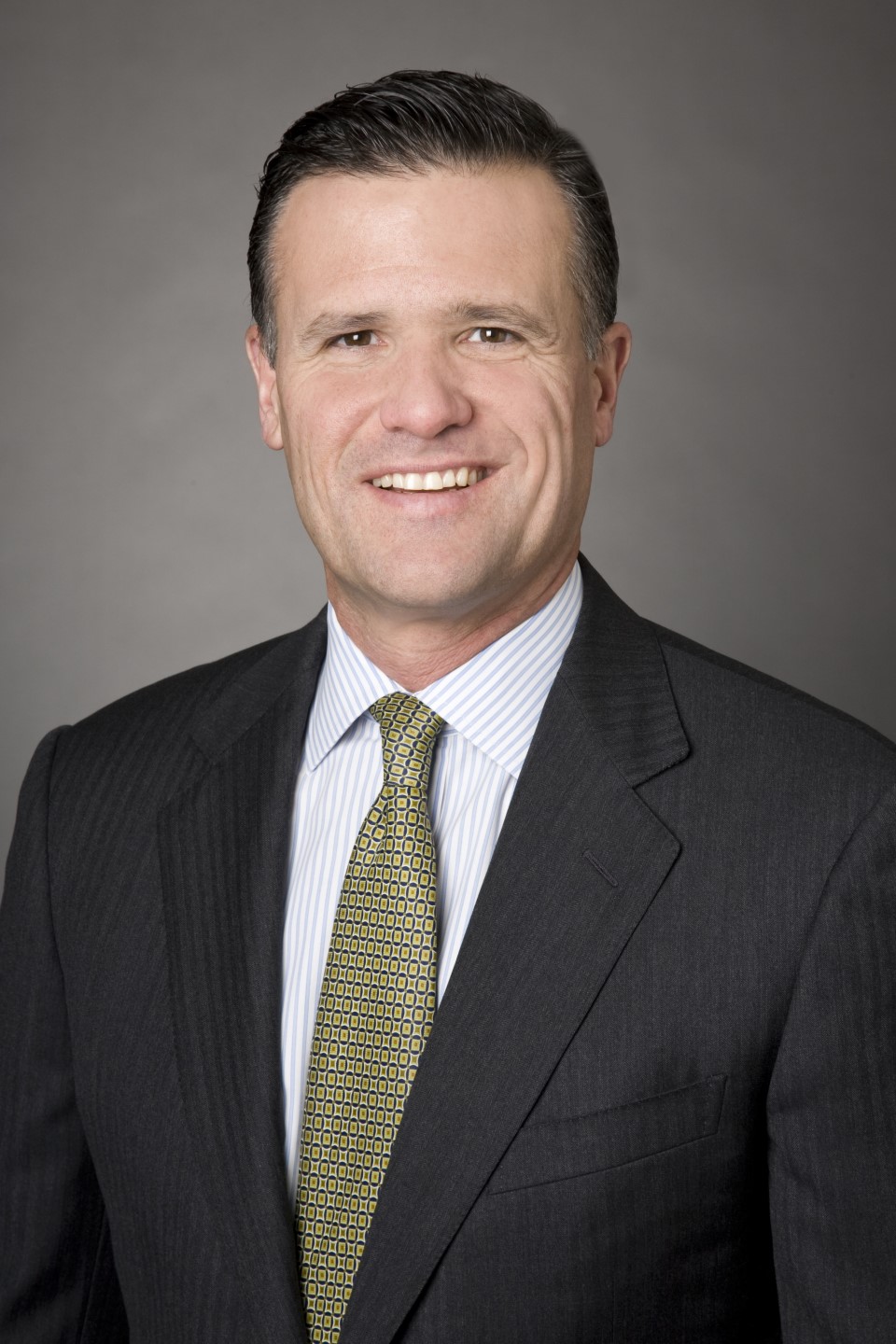
Reilly is adamant that the bank’s approach is – with some exceptions – to keep working with polluting clients to aid their transition to greener practices, rather than simply declare an end to all banking for old-style energy companies.
“If we stop talking to energy companies, what good does that do?” adds Reilly. “Fossil fuels are not going away tomorrow. It will take time and we have taken the position that we can do a better job to help transition to a green economy if we are in the room.”
Those at the firm argue the bank also has a duty to its shareholders. Barclays is historically one of the largest energy banks on the Street. There is still plenty of shareholder return to be made from being inside the tent.
That said, there’s little question that pressure from the likes of ShareAction has forced change. While a resolution it coordinated on behalf of 11 institutional investors and 130 individuals at Barclays’ annual general meeting in 2020 garnered only 24% of support, ShareAction argues that its work prompted Barclays’ announcement at the same time of its ambition to be a net-zero bank by 2050, covering scope 1, 2 and 3 emissions set by the Greenhouse Gas Protocol. That proposal saw nearly 100% support at the same AGM.
That scope 3 element is not trivial. For a bank to track its scope 3 emissions – that is, those emissions that a client produces, rather than those that the bank directly produces (scope 1) or which it is indirectly responsible for through its own energy purchases (scope 2) – is complex. Assessing them meant a year of combing through all the bank’s relationships to determine how it could track the carbon intensity or emissions indirectly associated with every piece of business.
Part of the result of that process was BlueTrack, a dashboard that the bank unveiled in November 2020, and which tracks its progress against its portfolio decarbonization targets. At the same time it expanded its ambitions to cover not just the power sector but also cement, mining, steel and aluminium.
This cannot be off the side of the desk – it needs to be a dedicated effort and you need to empower senior bankers to do it
Brian Reilly
Those at many businesses within the firm say they are passionate about sustainability and not just because it makes good business sense. There is palpable frustration at coverage that dwells on the fossil fuel financing the bank still does rather than considering what it turns away. The inconvenient truth, however, is that firms tend to be judged on what they are seen to be doing rather than what they are privately deciding not to do.
That applies in other ways too. Barclays looked guilty of a tin ear when it emerged as part of an underwriting group for a bond financing in April 2021 for the Public Finance Authority of Wisconsin, the proceeds of which were ultimately to finance the construction of two private prisons in Alabama. Barclays withdrew from the deal in the face of criticism from investors: the private prison sector, blamed by its critics for contributing to the US’s eyewatering incarceration rates, is intensely controversial.
The bank argued that its existing commitment not to finance private prisons had not been breached because the bond issue was for Wisconsin, rather than for the prisons directly. But its decision to pull out indicates how such situations are set to come under ever greater scrutiny.
From the top
Key to making SIB work is a drive from the top of the firm, says Reilly. When Barclays chairman Nigel Higgins asked Reilly and Barron to present their work to the bank’s board in December, Higgins kicked off the Zoom call by looking directly into the camera and declaring how important it was that the bank get it right.
The teams know they are under pressure. They are being prodded several times a week by the likes of Staley, banking head Paul Compton and markets head CS Venkatakrishnan on the need to get the message out to clients.
Reilly says that the bank leads with its SIB credentials rather than considering it as a support service. “That is by design, but it’s also serendipitous,” he says. “When we say that we have a dedicated team for this, it resonates with clients.”
It also helps, says Reilly, that the effort has so far proven itself able to make money. “Before, there were sceptics in my business, asking: ‘How will you make money banking these emerging growth companies?’” he says. “In 2019 even I wasn’t 100% certain.”


