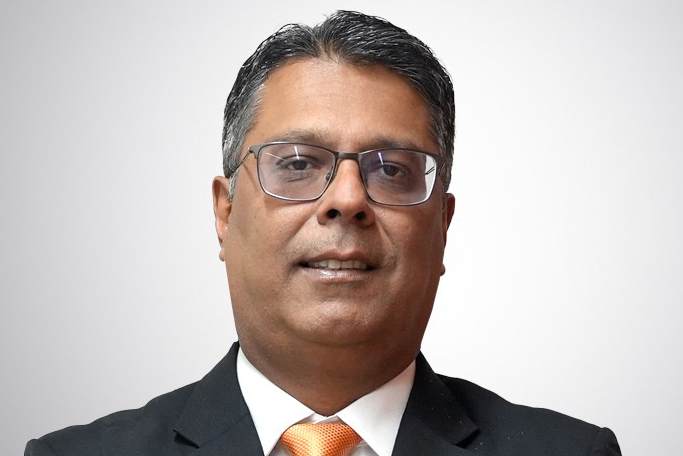
In the financial sector’s shift towards a low-carbon future, Malayan Banking Berhad – better known as Maybank – has emerged as a notable case study in how large, complex institutions can approach the transition to net zero with ambition and realism.
Since his appointment as president and group CEO in 2022, Khairussaleh Ramli has guided Maybank through a period of intensified ESG ambition. His recent contract extension through 2028 signals both board confidence and an expectation that Maybank will see through the completion of its M25+ strategy, which places sustainability and regional integration at its core.
“Maybank’s transition strategy is underpinned by core pillars and key enablers that support the acceleration towards a low-carbon economy,” says Ramli. “Effective decarbonisation efforts require more than capital allocation – it necessitates close collaboration with regulators, support for clients and the development of financial mechanisms that drive demand for sustainable financing. By aligning our financing solutions with evolving regulatory frameworks and industry best practices, we continue to support high-impact sectors and SMEs in transitioning to more sustainable business models whilst at all times ensuring a just and fair transition.”
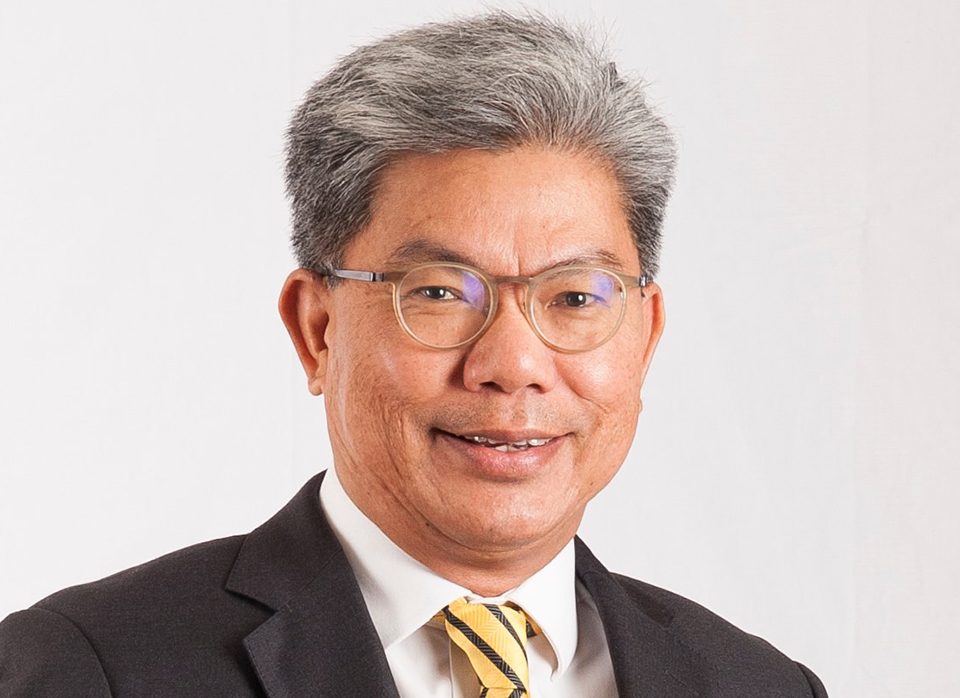
At the heart of Maybank’s transition narrative are science-based net-zero targets that reach far beyond its own direct operations. The bank has committed to reducing the emissions associated with the companies and projects it finances across palm oil, power, steel, aluminium, commercial real estate and automotive – industries that dominate Asean’s industrial landscape and present some of the toughest decarbonisation challenges globally. These “financed emissions” targets are benchmarked against international pathways and tracked through regular, public disclosures – setting a bar for transparency in the region.
The bank’s approach is underpinned by a governance structure that places climate oversight at the very top. A dedicated board sustainability committee and an executive sustainability committee, chaired by Ramli, exercise direct oversight over climate strategy, risk management, and progress towards net zero.
At the heart of Maybank’s transition narrative are science-based net-zero targets that reach far beyond its own direct operations
Notably, executive compensation is now tied in part to climate-related performance, a move that aligns incentives across the senior management team.
Maybank has also advanced its climate risk assessment toolkit, developing proprietary instruments such as a climate risk dashboard and an industry climate risk matrix, alongside scenario analysis and stress testing aligned with global frameworks. These tools integrate physical and transition risks into credit assessments, helping the bank to evaluate both its own exposures and those of its clients. Such measures are becoming industry standard among leading international banks, but are relatively new in southeast Asia, where robust data and sectoral benchmarks have historically been harder to access.
By the end of 2024, Maybank had achieved a 53% reduction in carbon emissions from its own operations, a significant stride toward its goal of operational carbon neutrality by 2030. It had mobilised more than RM115 billion ($27 billion) in sustainable finance, far surpassing its 2025 target of RM80 billion. Its social impact programmes have reached 2.12 million households across Asean, exceeding commitments to lower-income communities. Internally, the bank recorded over 2 million hours devoted to sustainability-related capacity building, including the certification of employees as sustainability practitioners.
Beyond its own portfolio, Maybank has taken on a national advisory role, supporting Malaysian policymakers at international climate conferences and co-chairing regional public policy efforts. Its annual updates to transition finance and sustainable product frameworks indicate a willingness to revisit and refine its approach as global standards evolve.
Maybank’s experience offers a template for Asian finance: sector-by-sector transformation, underpinned by transparent targets, rigorous governance, and a willingness to lead both within and beyond its own balance sheet.