HSBC had an exceptional year in corporate FX. Revenues rose 10% in 2025 and 14% of the bank’s corporate client base was new to the markets business. The growth came from a franchise built around two things corporates could not easily get elsewhere: onshore access to restricted emerging markets from a central treasury, and digital hedging tools that scaled fast enough to matter.
The onshore capability is the clearer differentiator. HSBC now offers offshore clients onshore execution across CNY under China’s PBOC 159 regulation, Malaysian ringgit under Malaysia’s Appointed Overseas Office scheme, Thai baht under the Non-Resident Qualified Company framework, and Korean won under Korea’s Registered Foreign Institution regime, plus INR and IDR, each available from multiple global trading centres.

Clients would like the ability to access the onshore market without the need for account opening
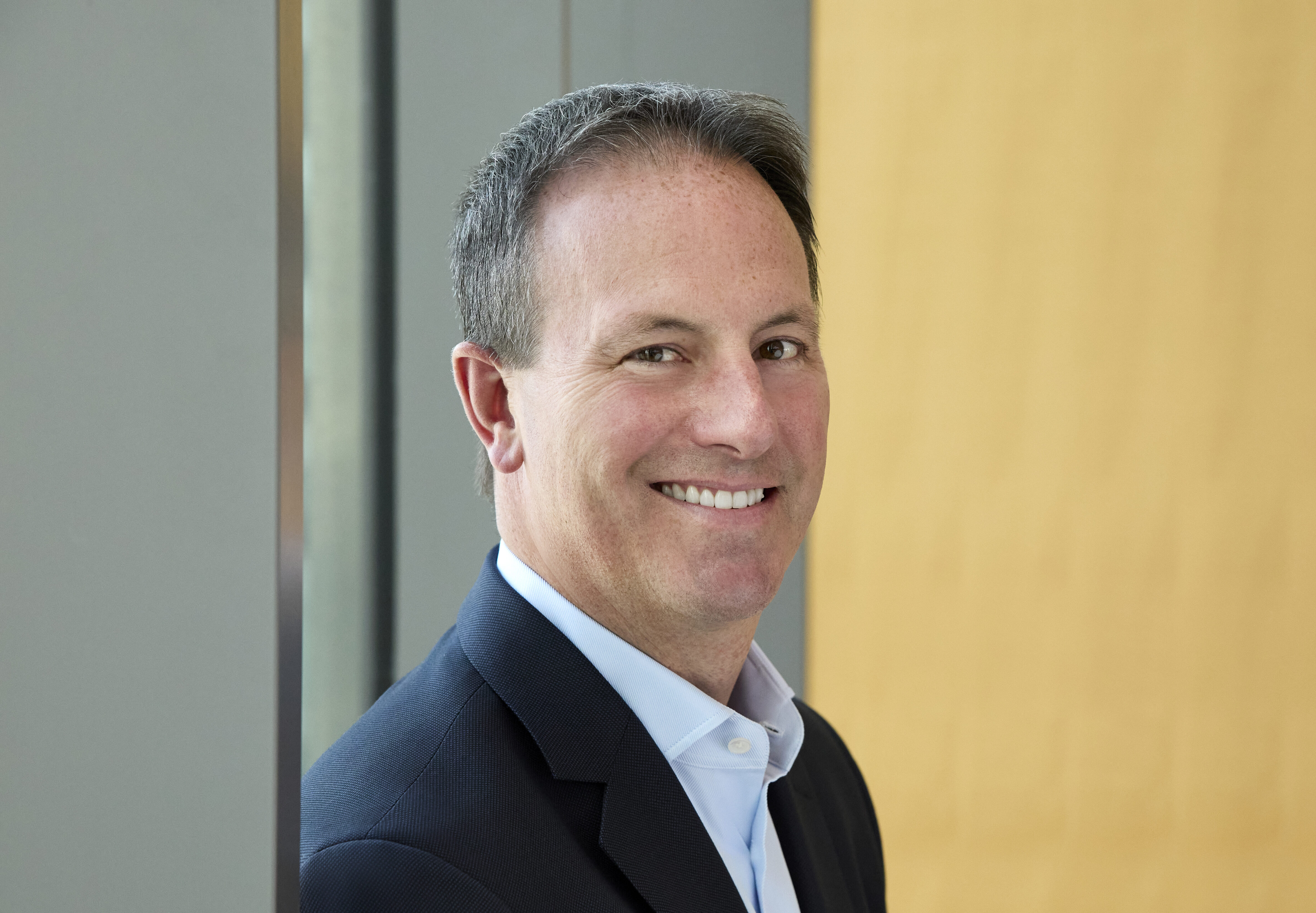
Yasemin Artar
“Clients would like the ability to access the onshore market without the need for account opening,” says Yasemin Artar, head of corporate sales for Europe. The value is twofold: better pricing where onshore and offshore curves diverge, and execution from headquarters rather than through local entities opened for a single dividend or equity injection.
The results are concrete. A listed pharmaceutical and agricultural group hedging forecast renminbi exposure through PBOC 159 achieved better worst-case levels than conventional CNH forwards, with HSBC’s solution generating a 33 basis point payout on the option portion. For a global energy company with Indian renewables assets, HSBC spotted a widening offshore-onshore INR basis and an opportunity to move existing NDF hedges onshore, improving pricing for the client while their central treasury continued to trade deliverable INR offshore with HSBC Bank plc.
The same network handled the year’s most complex mandate. When Unilever spun off its ice cream business, HSBC managed FX allocation across Turkey, Indonesia, China and Thailand simultaneously. Artar’s view is that these mandates are won on trust rather than price, underpinned by the ability to speak directly to regulators in more than 50 markets.

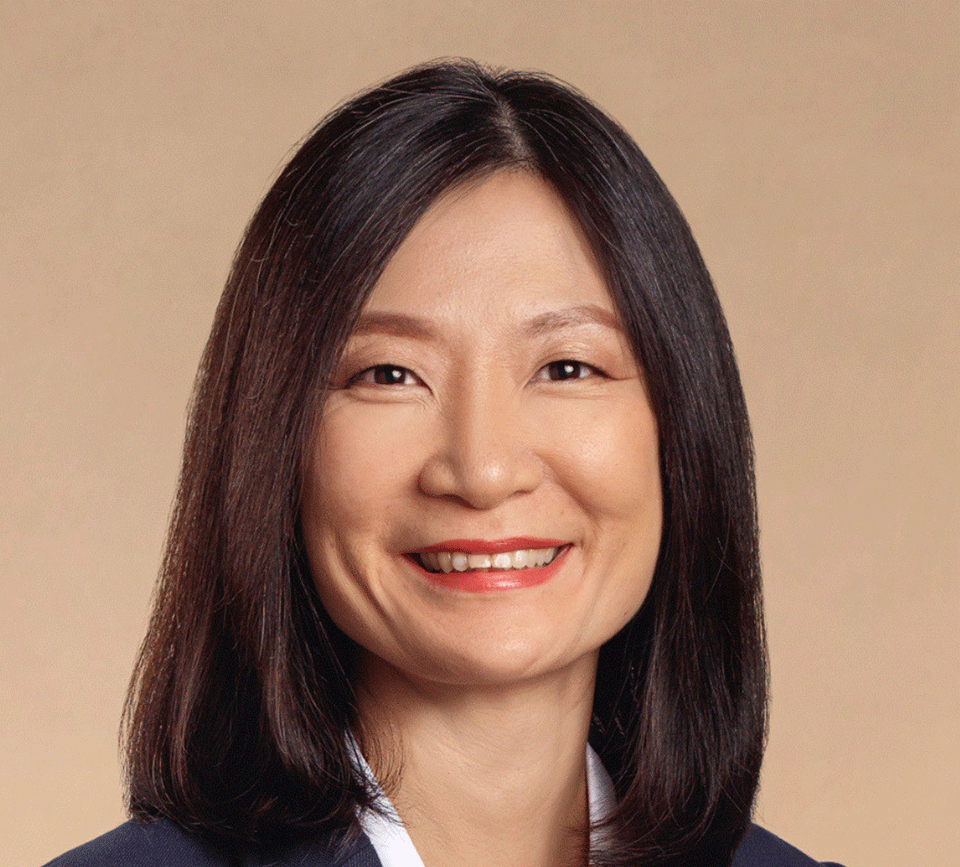
We haven’t had any customer yet asking for full automation
Brandon Roberts
Digital hedging tools scaled sharply. HSBC Autohedge, which lets treasurers upload exposures, apply pre-defined hedge rules and execute recommended trades from one dashboard, grew client numbers eightfold, with volumes on the platform up more than 200% year-on-year. The 2025 build added treasury management system connectivity, 360T integration, budget rate performance tracking, segregation of duties, value-at-risk analytics and NDF handling. A large European industrial group running hedging across multiple entities and functional currencies from a UK treasury called it a game changer. Notably, HSBC has kept humans in the loop. “We haven’t had any customer yet asking for full automation,” says Brandon Roberts, head of corporate sales, markets and securities services, HSBC UK. Corporates want to review and ratify; what HSBC Autohedge removes is the manual work before that point.
Algo volumes grew more than 30% globally and 34% in Europe, helped by coverage extended into USD/BRL NDFs and Gulf Cooperation Council currencies, re-engineered routing and a venue stack that systematically penalises adverse selection. HSBC’s AI Markets evolved from natural language analytics to an integrated platform covering FX, short-term interest rates, commodities and rates, available through Evolve or API. Internally, a client interest engine using an NLP model trained on trading activity and CRM records lets coverage teams identify affected clients within seconds of a market event.
HSBC Global Wallet client numbers doubled, with volumes up 48%, while HSBC SmartServe digital platform cut onboarding turnaround by 15%.
That gap between banking share and FX share is the point. Corporates that operate internationally come to HSBC specifically for FX, and in 2025 they kept coming.