For Goldman Sachs, 2021 was a year of strong financial performance as investment banking activity remained high and secondary market levels recovered, coupled with continuing efforts to broaden the bank’s franchise into less volatile areas.
Revenues were up 42% in the first nine months of 2021 to $46.7 billion, with investment banking up more than 60%, global markets up 7%, asset management up an astounding 152%, and consumer and wealth management up 27%. The $12 billion of revenues in asset management reflected the bounce back of the firm’s positions in equity and debt securities, which had been battered as the Covid pandemic hit but have since recovered well.
While the global markets’ headline year-on-year performance looked less sprightly than other divisions, coming as it did off record levels of activity in the early period of the pandemic, the topline result concealed how the bank is making progress in more granular targets. And though FICC intermediation fell 14%, FICC financing – an area that the bank targeted for growth in its first-ever investor day in January 2020 – rose by 14%.
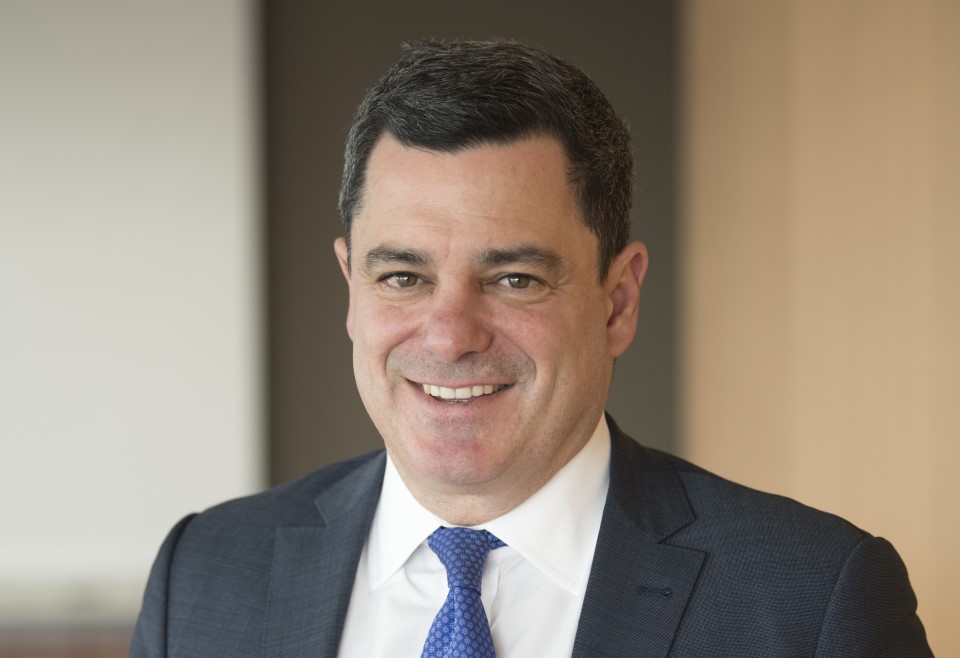
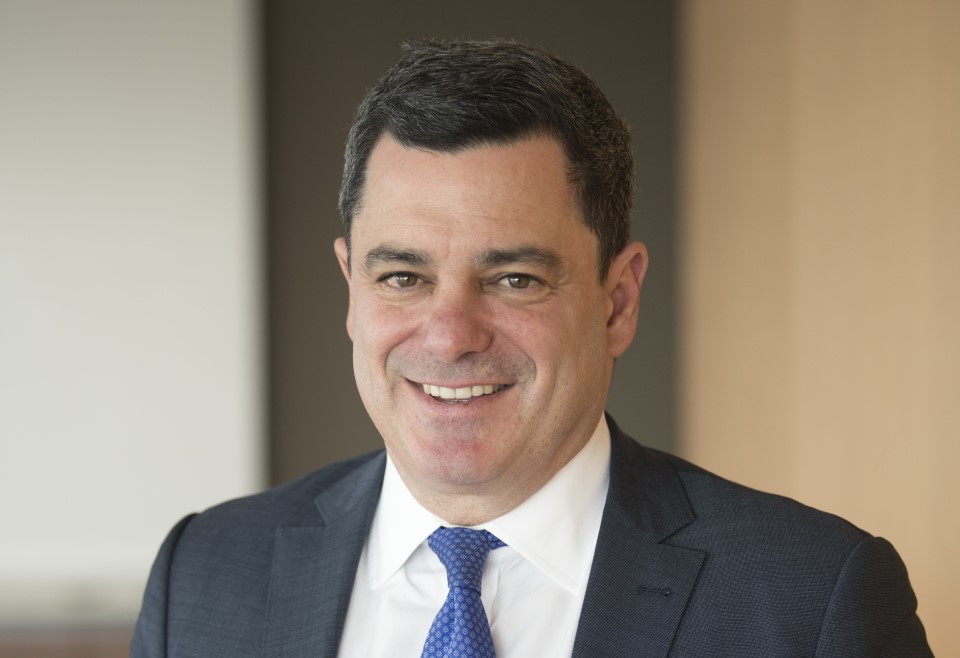
“We said we would grow the core businesses of global markets, investment banking and asset management, and we have,” says Jim Esposito, global co-head of the investment banking division. “But we have also been able to use technology to leapfrog firms with legacy systems in our growth areas of transaction banking and consumer banking.”
The firm has been making good on other objectives it set in 2020 too. Its medium-term return on equity target of 12% to 14% was greeted with scepticism in some quarters, but has been shattered now. In the first nine months of 2021, RoE was nearly 26%.
The bank said it would increase revenue share in global markets. By the end of the first quarter of 2021, the bank reckoned that was up by 160 basis points relative to 2019, a bigger increase than at peers.
Clients covered in the investment bank now stand at 12,000, an extraordinary increase from 9,000. And with many of those below the top tier, the timing could not have been better.
“What has been driving investment banking this year is not the mega-deals, but mergers of $1 billion to $5 billion,” says Esposito. “We have increased the number of mid-market clients that we cover, and that has produced a lot of incremental revenue for us.”
New business
Euromoney named Goldman as the world’s best bank for diversity and inclusion in 2021, and the theme was a big one for the firm. It announced a $10 billion commitment to its One Million Black Women initiative over the next 10 years.
Goldman’s tie-up with black-led Loop Capital Markets to create a money-market fund product that supports racial equity causes fitted into the same theme, while minority support was also targeted through the Launch With GS initiative, a commitment that it doubled in 2021 to $1 billion after deploying some $450 million since its creation in 2018.
This year it invested in several women-led ventures, including the Female Founders Fund.
And the firm tied diversity to its sustainability credentials through the presence of a syndicate of exclusively minority-led broker dealers for Goldman’s $800 million debut sustainability bond in February.
We said we would grow the core businesses of global markets, investment banking and asset management, and we have
Jim Esposito
In the year of the COP26 conference, environmental sustainability loomed large on most banks’ agendas. Goldman joined the Net Zero Banking Alliance during the year, and in March issued what will be one of a series of regular updates on its 2030 sustainable financing, investing and advisory commitment, saying it had already accounted for more than $150 billion of its $750 billion 10-year target in the first 12 months.
Climate also featured in one of the bank’s newest upgrades to its Marquee platform, which brings many of the bank’s own risk management tools to its institutional clients, and in November the bank unveiled Carbon Portfolio Analytics, a way for clients to measure the carbon emissions exposures in their portfolios.
Goldman’s newish transaction banking franchise, which it likes to refer to as TxB, doubtless to reflect the modern tech-driven approach that the bank argues is its differentiator, has been quietly building over the year, after launching in the US in 2020. After attracting $50 billion in deposits by the end of the third quarter – already hitting the five-year target for deposits that it set at the investor day – the bank has now expanded TxB into the UK market, where it thinks it has potential.
TxB is just one way that Goldman is rejigging its model away from a pure investment banking focus. In consumer banking, Marcus was expanded through the $2.2 billion acquisition of GreenSky, the biggest point-of-sale fintech platform for home-improvement loans. It also continued the broadening of its asset management business, announcing the acquisition of NN Investment Partners for €1.6 billion.