New rumours were swirling in late 2021 of BNP Paribas selling US retail franchise, Bank of the West. That, in turn, raises new questions of what BNPP could do with capital above its target as it seeks to erase a stubborn discount to book value, despite the last year’s share-price rebound.
Will it go on share buy backs? Or could it deploy that capital towards growth in Europe?
Eurozone policy rates suddenly look like they might not be negative for as long as they did. Partly thanks to booming mortgage demand, even French retail saw a healthy 5% rise in revenues in first nine months of 2021.
More details will come in a new strategic plan in February. But greater regulatory clarity, and confidence around Covid-related defaults, meant the bank was already able to launch a buyback programme of up to €900 million in November.
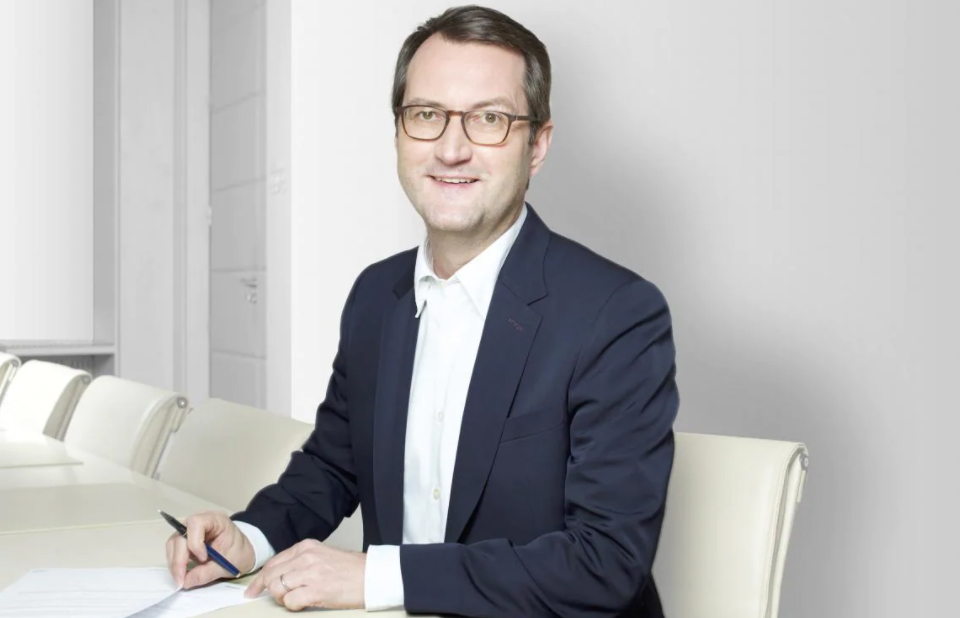
“Regulatory uncertainty is tapering off, which means a higher fraction of earnings will be available,” says chief financial officer Lars Machenil. “We could use that to grow the balance sheet faster. But we want to contain risks.
“We’re not going to grow at any price, so we want to return part of that additional capital to shareholders.”
M&A is another option, at least partly, as the €258 million acquisition of French payments company Floa showed. That deal, tapping into the buy-now-pay-later trend in retail, followed its 2017 acquisition of Nickel, a low-cost card provider in France.
“If the price is right, we do want to do bolt-on M&A, which we can blend with services we already offer in places where we are currently operating,” says Machenil.
We are a fee-, not an interest rate-driven bank
Lars Machenil
On the wholesale side, BNPP still has global ambitions. It bought out its cash equities joint venture partner, acquiring 100% of Exane, in 2021.
And after taking on Deutsche Bank’s prime services business in 2019, BNP Paribas signed a referral agreement for Credit Suisse hedge fund customers late in 2021, when the latter staged an exit from prime brokerage.
These investments came when equities were helping propel corporate and institutional banking towards another exceptional year, after booming fixed income business more than made up for losses in equity derivatives in 2020.
Perhaps greater capital flexibility will be an opportunity to look more closely at European bank consolidation. Such consolidation is, however, less urgent in France than elsewhere in Europe.
Diversification
The last two years have shown the benefit of a diversified bank with well-managed risks, in Machenil’s view. If BNPP is still not earning its cost of equity, he thinks that is largely to do with European regulatory factors, which are becoming more manageable.
“We are a European bank with a global reach” says Machenil. “We go for profitable growth, improving our return on equity, by growing our market share and adding more products.”
Even when it comes to low rates and Basel risk-weighted-asset inflation, the bank has already mitigated the impact, such that its top-line grows faster than its balance sheet.
“We are a fee-, not an interest rate-driven bank,” he says.