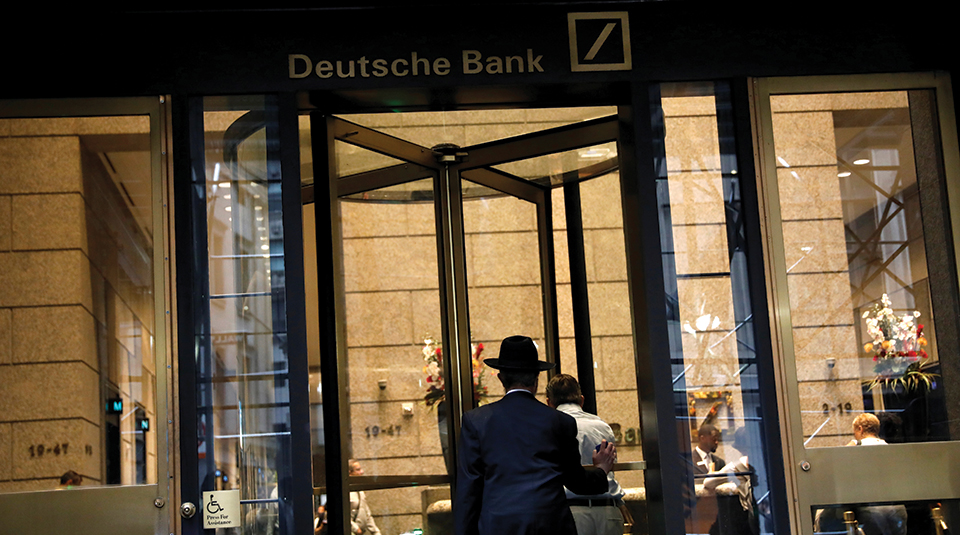
Two years into Deutsche Bank’s restructuring plan, and things are looking better than many had expected. As Euromoney’s story this month notes, the past 12 months saw the firm’s investment bank revenues rise 19%, on a par with the best performing of the bank’s US peers.
Are things finally turning around? And how sustainable is the performance? There are a few reasons to be hopeful, and others to be cautious.
One source of hope is that the withdrawal from much of the equities business that formed part of the plan unveiled by chief executive Christian Sewing in July 2019 appears to have so far defied the doubters.
Particularly after Archegos, exiting prime brokerage by transferring its business to BNP Paribas doesn’t seem like the worst idea in the world. And the bank was always adamant that it would be able to play a role in the equity capital markets (ECM) business even without a broad sales and trading franchise.
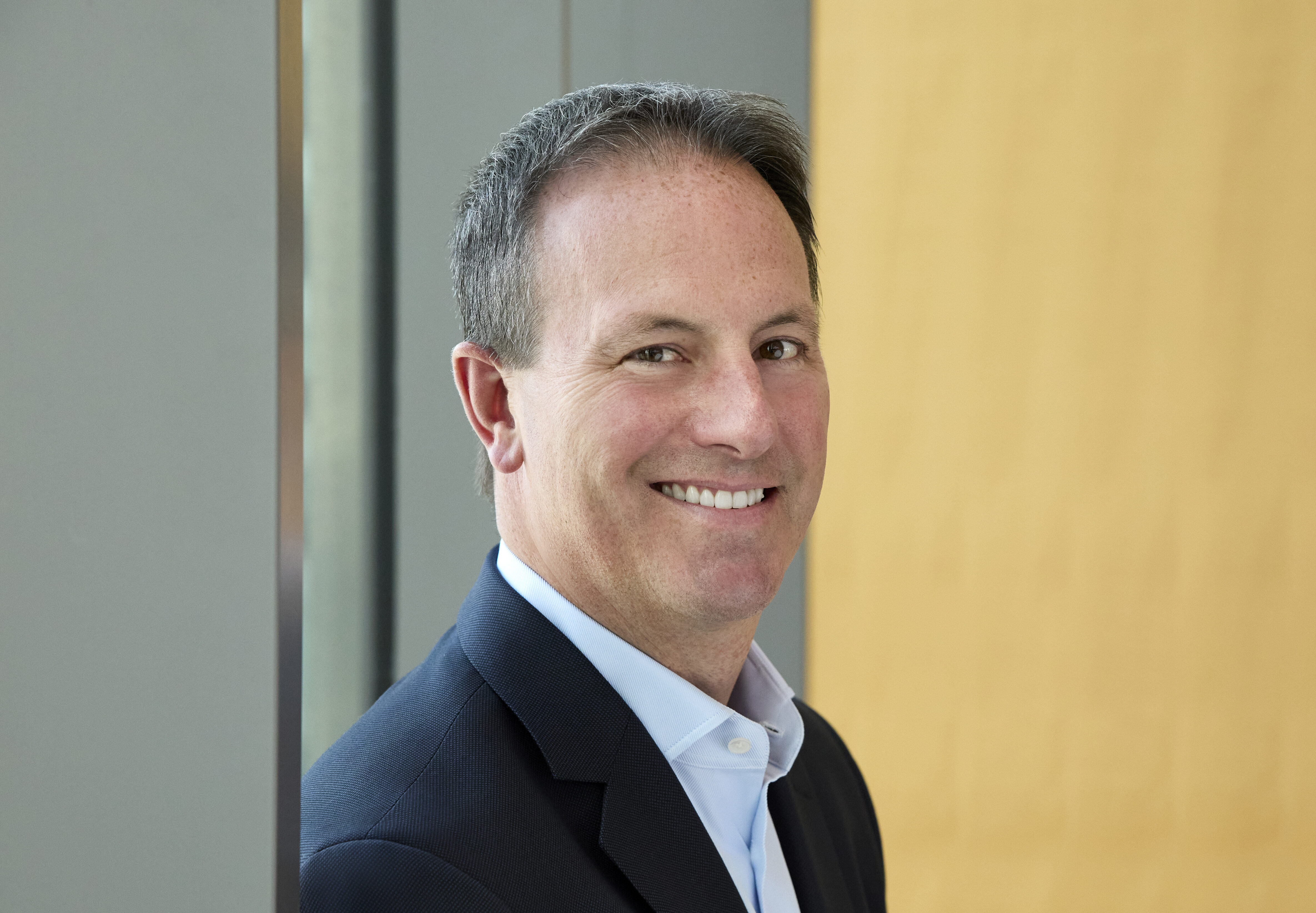
Campelli’s biggest task ahead may well be to keep a lid on ambitions
Sure enough, in 2020, Deutsche pulled in more ECM revenue than it had done since 2016. In the past 12 months, it has comfortably surpassed even that, and increased revenues by a bigger percentage than any other competitor.
That said, the bank has clocked up a fair chunk of activity from special purpose acquisition company (Spac) deals, and those are on the wane now. Countering that is the news that Deutsche can once again sponsor IPOs in Hong Kong, after senior hires that mean it can fulfil its regulatory obligations there. It plans to do more in Asia now.
The US business, for so long a question mark hanging over the firm as it grappled with regulatory tussles, now seems to be settling down. Internally there is no shortage of commitment to that market, and the ambitions at last appear to match the potential. For the moment, the bank is picking its spots with care, leveraging its private equity franchise, for instance, or focusing on cross-border business.
But first-half earnings in the investment bank were given a hefty fillip by a €300 million gain related to the bank’s debt and equity positions in Zim Integrated Shipping, a formerly distressed Israeli company that recovered enough to float this year. The bank argues that stripping that out does not affect the positive direction of travel of the business, and that such positions, while often not as large, are part and parcel of the bank’s distressed business.
Momentum
A lot now rests on Fabrizio Campelli, the former head of transformation who earlier this year was handed management of the investment bank – and the corporate bank – by Sewing.
On the face of it, he comes into a business with momentum. As Sewing told analysts, clients are re-engaging and are simply doing more trades with the bank. He now thinks that the previous revenue target of €8.5 billion for the investment bank in 2022 looks conservative, given that he expects the division to post more than €9 billion in 2021.
Campelli’s biggest task ahead may well be to keep a lid on ambitions. The pandemic has driven the investment bank to a bigger share of group revenues than it was in 2019, despite a restructuring that was aimed at rebalancing the bank towards less volatile businesses such as corporate banking and asset management. The temptation to let cost discipline slide in a chase for more of the same will be strong.
Sewing’s new-look Deutsche has passed its first examination, but the pandemic-driven surge of activity has skewed the picture. How it performs in more normalized markets, particularly ones where the rates picture is set to change, will be the bigger test.