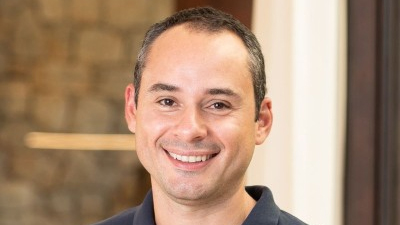
As well as being just 36 – youthful even by today’s standards to be boss of a $23 billion bank – Maffra comes from the tech side of fintech. His career has involved positions such as partner at a crypto exchange and a high frequency trader, and he was previously chief technology officer at XP. This illustrates Benchimol’s belief that XP needs someone with a deep understanding of digital at the helm as he becomes chairman of the board.
However, while Maffra was hand-picked to steer XP towards becoming a full-service bank – building out from its investment platform base into full corporate banking and services – his first task is a more traditional one.
XP is facing a good old-fashioned turf war, with BTG encroaching upon its investment business that is, in large part, based on providing custody for Brazil’s large network of independent financial advisers.
Think Coke versus Pepsi but in Brazil – and in financial services.
The competition between the two banks has already led to litigation. In 2018 XP claimed BTG was using intelligence provided to it during an IPO process to go after its clients.
Meanwhile, BTG has brushed off the legal threat. In the past year BTG Pactual – an investment bank and institutional asset manager that has in recent years backed into the retail investment space – has been taking a lot of business from XP.
Earlier this month news came that Acqua Vero, an IFA with more than 20,000 clients and R$8.3 billion in assets under management, had struck a deal to join it.
About 40 such large IFAs (known as agentes autônomos de investimentos or AAI in Brazil) have now jumped to the BTG ship in the past year. The bank bought equity in the larger firms, such as Acqua Vero and EQI (another former XP client), getting round CVM regulations that prohibit equity stakes from non AAI-qualified partners by creating brokerage firms. Not all of the steady migration from XP to BTG has been underpinned by equity participation, but it is clear that BTG is not holding back in offering financial incentives to the managers of these firms.
Market leader
Sources at XP insist that it is still the market leader and continues to grow organically. In the first quarter of 2021 the bank reported the addition of 3,700 new AAIs to its network, with assets under custody (AuC) jumping to $715 billion, up 96% in a year.
They also point to the fact that the underlying clients of these IFAs have to agree individually to move their investments to BTG and there is a belief that XP’s brand power will generate good retention.
This is the key variable; until the real flow of assets becomes more visible it will be impossible to know how successful BTG has been at capturing AAIs. And even if the proportion of AuC was a known quantity, there would still be questions about whether or not BTG’s valuation of these assets is too aggressive.
XP is facing a good old-fashioned turf war
Meanwhile, BTG is confident in the price of the market share it is effectively buying. The flow of AAIs will boost AuC and provide momentum to its digital retail offering. This in turn will keep valuation multiples for this area of its business optimistically high.
BTG is also effectively buying into the future IPOs of many of these businesses, so these deals have a dual value driver from BTG’s perspective.
While 96% growth year on year in its core investment business suggests XP’s momentum hasn’t been shaken yet, there will likely be fresh skirmishes ahead.
If BTG continues to make sizeable inroads into XP’s AAI network then Maffra may find his focus taken off attack and onto defence. Then again, he may decide the best form of defence is attack and go directly after BTG’s corporate and investment banking.
Those of us thinking the Brazilian banking battle was going to be XP versus its former shareholder Itaú seem to have been wrong. The coming five years it will be between BTG and XP. Who’s your money on?



