 |
|
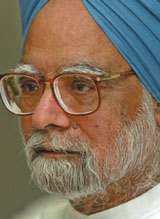
Singh: the government of the new Indian prime minister has set itself modest targets for privatization proceeds in the year ahead and is likely to pursue the sale of minority stakes |
The new coalition government led by Indian prime minister Manmohan Singh will kick off privatization sales with a billion-dollar initial public offering in September.
On offer is 10.5% of the shares in National Thermal Power Corporation (NTPC), the sixth-largest producer of thermal power in the world. Half of the shares are owned by the government, according to sources at Kotak Bank, the lead arranger to the flotation. Sterlite, the owners of Balco, the aluminium company that was privatized a couple of years back, will buy the balance 44% stake from the government.
Other possible sales of residual stakes in privatized companies include Videsh Sanchar Nigam, sold to the Tatas; and Maruti, sold to Suzuki last year. NTPC’s profit after tax was Rs49 billion ($1.06 billion) for the year to March and bids for its shares are likely to fetch between Rs30 and Rs60 a share.
After putting in a clause making it mandatory for foreign bidders to work with an Indian partner, the Indian civil aviation ministry has invited an expression of interest for the privatization of Mumbai and New Delhi airports. It has received around 10 expressions, including enquiries from foreign companies that have built Singapore’s Changi, Frankfurt and Sydney airports and Indian partners that include the Mittals, GMR, Piramal, Larsen & Toubro, Sterlite, Reliance and Videocon. The assets will be leased out to a special purpose vehicle in which the foreign partner can own up to 49%.
Bankers expect that financial bids will be invited around the first quarter next year.
Finance minister Palaniappan Chidambaram has set a modest target of Rs40 billion in his budget for receipts from privatization sales and said unprofitable state companies could be privatized, reflecting the compulsions of the new left-leaning coalition. ?The government is less likely to do pure privatization sales this year. That is simply not part of the plan,? says the head of one Indian investment bank.
Even though privatization sales in the last fiscal year brought in a record Rs135 billion for the exchequer and included secondary offerings from large companies such as Maruti, Oil and Natural Gas, Gas Authority, the previous Vajpayee government also faced stiff political opposition to privatization that included transfer of management. This scuttled the sale of Hindustan Petroleum and Bharat Petroleum, two large oil companies, and eventually forced it to sell minority stakes in state companies.
Chidambaram’s target for the fiscal deficit this year is 4.4% of GDP, a little lower than in the last fiscal year when the economy grew by over 8%. But the high international oil price this year pushed inflation up to nearly 8% in mid-August, forcing the government to cut taxes on petroleum products. Economists predict that growth is likely to slow to about 5%, and with its communist allies opposing privatization as well as any cut in subsidies, the government will find it hard to balance its books.