European banking powerhouse ING is collecting the dividends of a multi-year investment project into technology that has seen the bank focus on three key areas: new products, pricing and hedging, and advanced analytics.
As a result of its six-year digitisation project across financial markets, the bank has made huge strides in its e-FX business, not least when it comes to AI, and the improvements have translated into positive client feedback alongside growing volumes.
ING has a strong presence in retail and wholesale markets, an A credit rating in a BBB-ranked overall banking market and a long-standing reputation as a regional stalwart. The Dutch bank boasts a strong European footprint and it has been an integral part of the Central and Eastern European banking scene since the late 1980s.
Its continued investment into technology, advancements in electronic trading and AI, and client-centric approach have earned it the CEE’s best FX bank title at the 2025 Euromoney FX Awards.
Globally, the bank serves around 37 million customers in 40 countries, including retail banking clients, corporates and financial institutions, with a staff of 60,000. Its financial markets operations have a footprint in 29 locations across the globe, with a presence in Bulgaria, Czech Republic, Hungary, Poland, Romania, Turkey and Ukraine.

Customer experience is what differentiates us and we’re continuously innovating to improve it
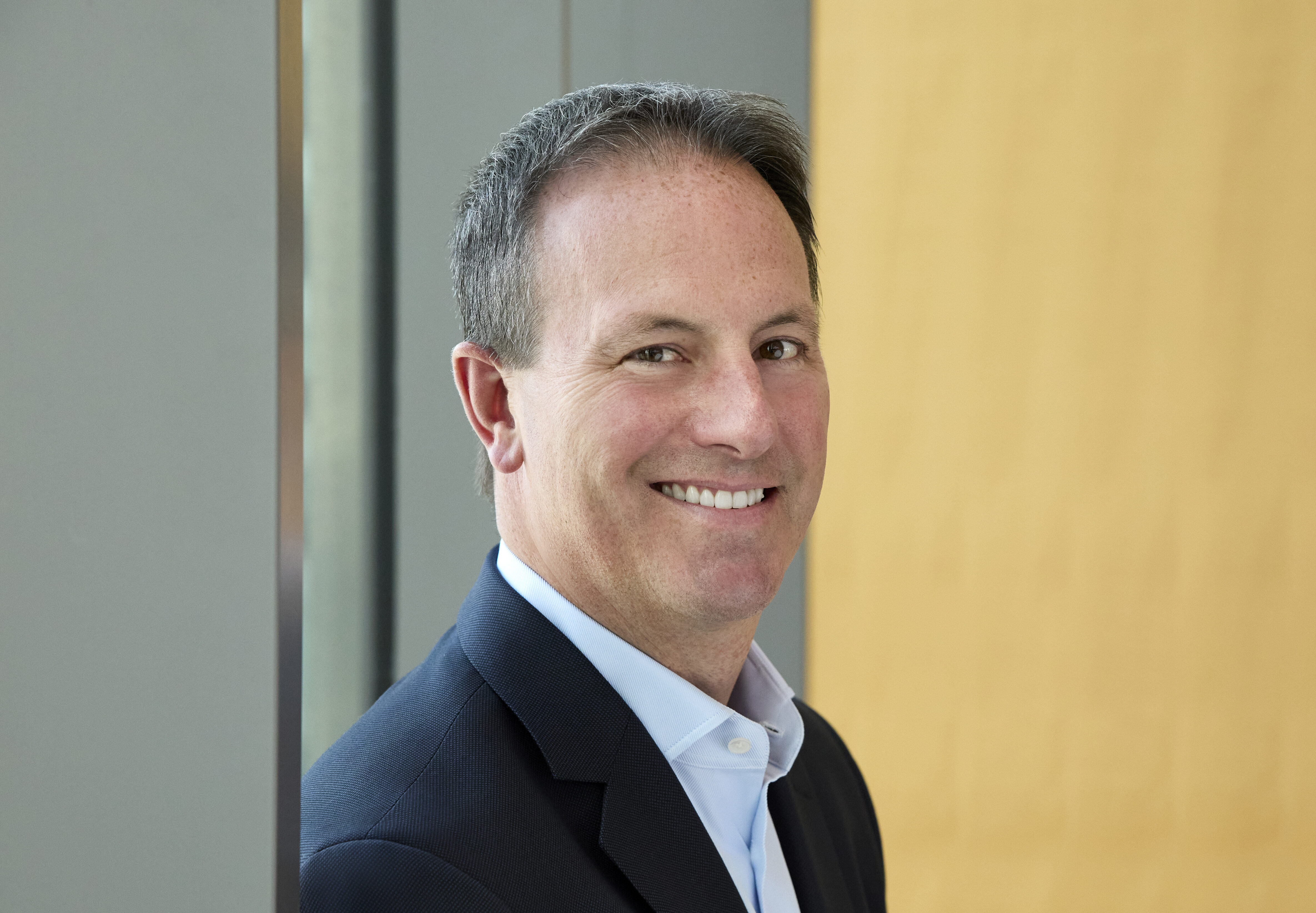
Simon Bevan
In the past 12 months, the bank has helped clients with their CEE FX deals across nearly 60 countries, with sales teams in 20 locations. Alongside an upgraded e-FX experience, the bank’s clients also get best-in-class research from a dedicated team of CEE-focused economists and strategists, covering Poland, Hungary, Romania, Czech Republic, Romania, Turkey, Ukraine and many other countries.
The bank’s tech upgrade has seen a complete overhaul of its stack and product offering that transformed the experience for clients, representing a step change from the previous version. Thanks to this work, ING was able to significantly increase the size it can autohedge, which sent the bank’s competitiveness soaring due its ability to provide better pricing, internalise risk longer and offer new products to clients.
In its wider FX business, the bank’s AI-driven algo capabilities represent the cutting edge, with its use of a reinforcement model to adaptively change the spreads. The tool received a positive market reaction and had a huge impact on the bank’s pricing, according to Simon Bevan, the bank’s global head of e-FX trading.
“Customer experience is what differentiates us and we’re continuously innovating to improve it,” he says. “We also partner with others to bring disruptive ideas to market faster.”
Meanwhile, the investment into the e-trading business has translated into double-digit growth in CEE volumes and activity in 2025, compared with the previous year. Feedback from clients and rankings on multi-dealer venues have provided evidence that ING’s efforts are paying off, as it continues to improve its performance and user satisfaction.