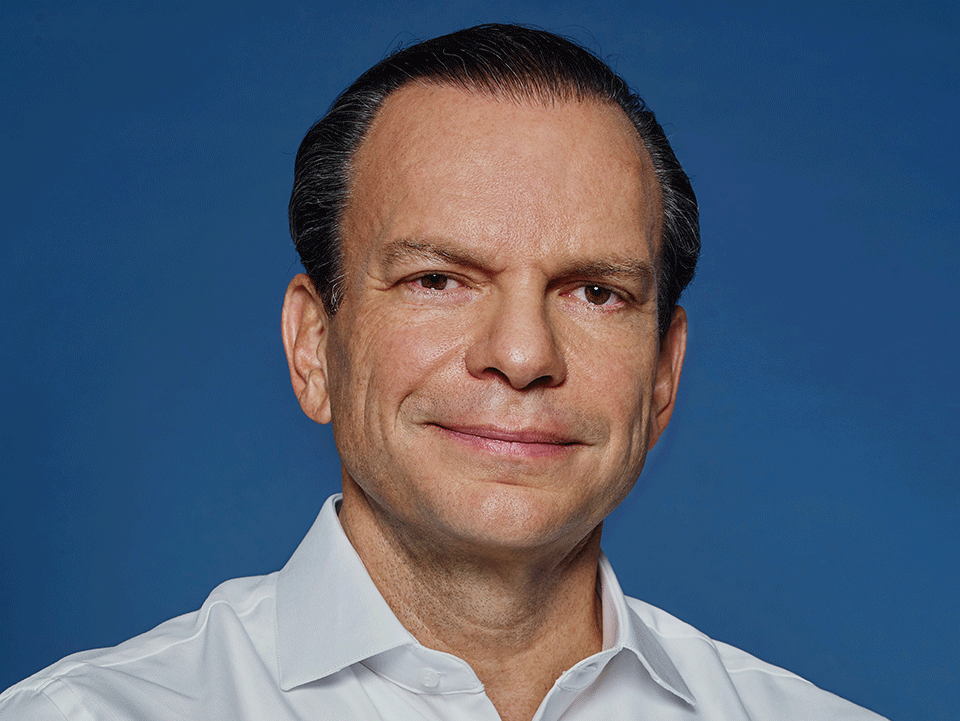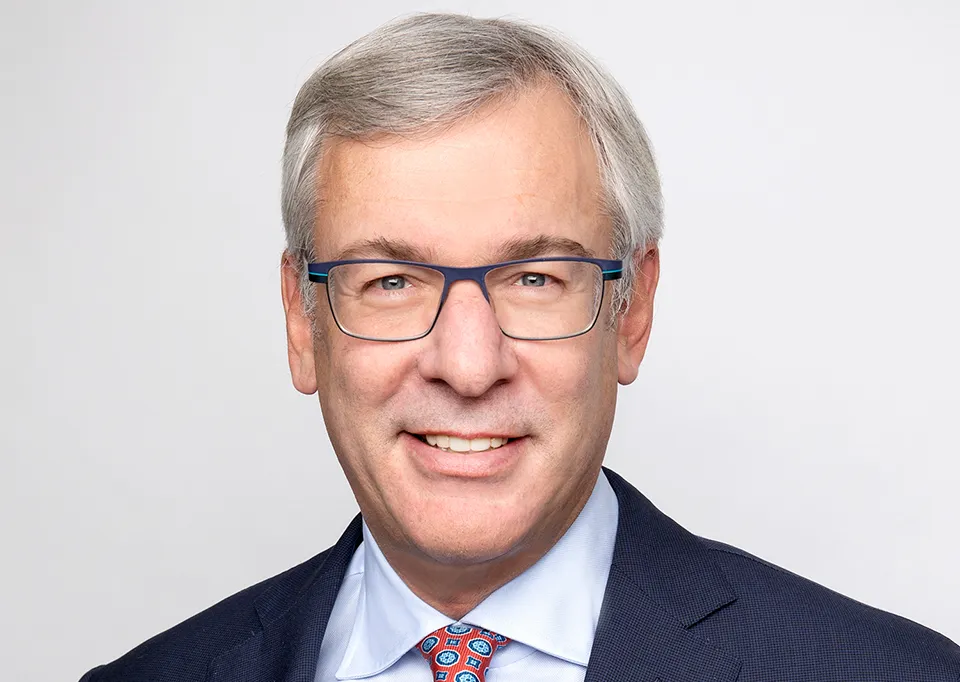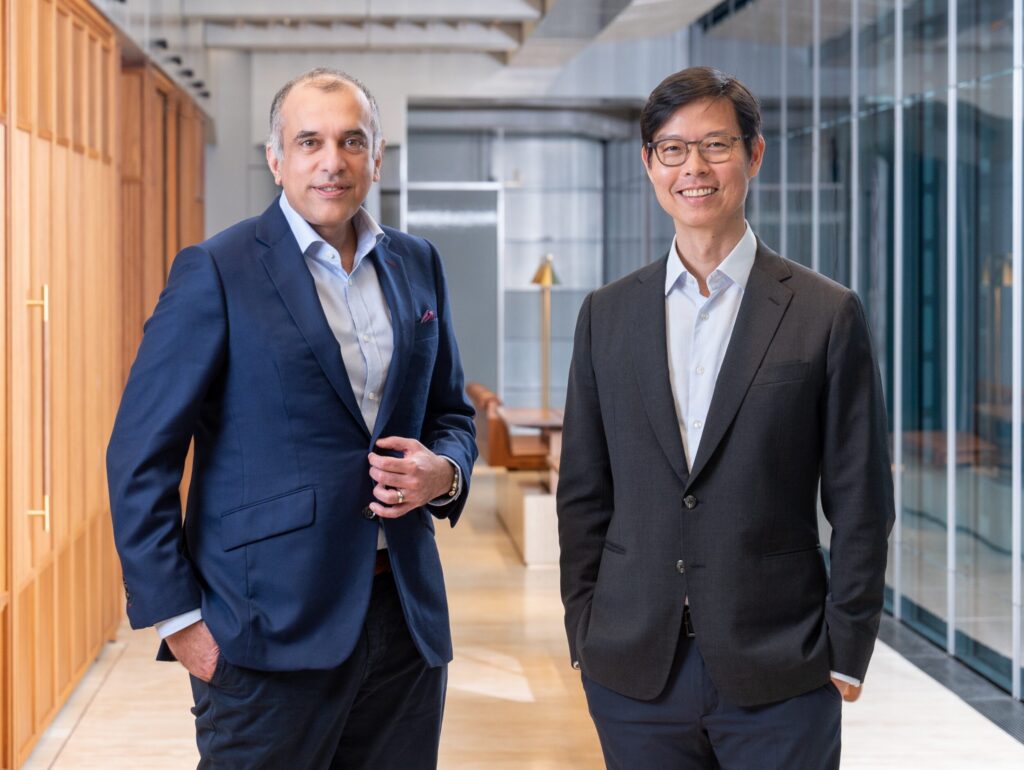

HSBC delivered a remarkable performance in the first year under the leadership of Georges Elhedery, in no small part thanks to a refocused Asian business firing on all cylinders.
Against a challenging macroeconomic environment, it reported a record profit before tax alongside the rapid execution of a far-reaching restructuring and simplification programme.
By the first quarter of 2026, the group had announced exits from three Asian businesses of 12 globally, withdrawing from low-return, subscale activities to reallocate capital to areas of strength. In tandem, HSBC sharpened organisational accountability and reduced duplication, resulting in a 15% reduction in managing director positions globally; all part of reshaping the bank into a more agile, client-centric and higher performing institution.
Nowhere in 2025 was the conviction of this transformation more evident than in Hong Kong. In the year marking its 160th anniversary in the city, HSBC doubled down on its home and highest-returning market through the privatisation of Hang Seng Bank, a move that reinforced its market leadership and embodied what it is looking to achieve more broadly through its global transformation. Its goal is to create a simpler, more integrated franchise, reduce duplication, unlock synergies and accelerate growth.
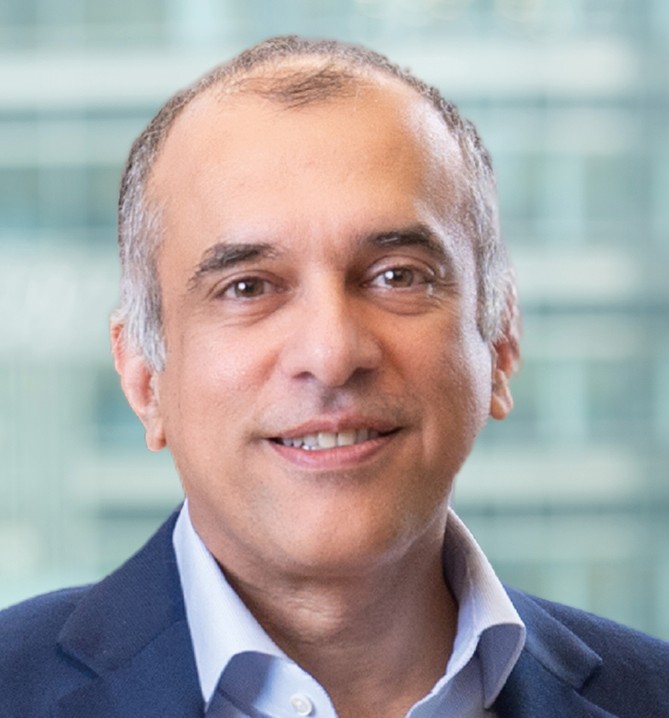
HSBC is uniquely positioned at the intersection of the power of the world’s second-largest economy with the depth of a leading international financial centre
Surendra Rosha
“Hong Kong is our home market and that is coming through in our successes,” says Surendra Rosha, co-CEO of Asia and Middle East. “HSBC is uniquely positioned at the intersection of the power of the world’s second-largest economy with the depth of a leading international financial centre.”
The bank’s enhanced strength in Hong Kong, a strategic hub for regional and global flows, further amplifies HSBC’s muscle across its 18 markets in Asia-Pacific. As a leading foreign bank in Mainland China, India, Singapore and the Middle East, HSBC has the ability to intermediate not just trade and wealth flows but also information flows at scale, being able to offer clients on-the-ground intelligence. A quality it leveraged to great effect for its clients in 2025, helping them navigate the year’s volatility and manage emerging risks across its integrated platform.
“The more important trade operations have become because of growing uncertainty, the more important HSBC has become to many of our clients,” says David Liao, co-CEO of Asia and Middle East. “Increasingly, they look to us not simply for products, but insight, advice, and connectivity across markets.”
Wealth and corporate synergies fuel growth
In 2025, HSBC extended its leadership as Asia’s largest full‑spectrum wealth manager, surpassing $1 trillion in wealth balances, up 16% year-on-year, approaching a scale equivalent to its two closest competitors in Asia combined.
HSBC’s size advantage was empowered by its connectivity, product breadth and integration across the franchise. Growth was further supported by its ability to accelerate client acquisition in Asia’s intensely competitive wealth market, including adding more than 1.1 million new, primarily cross-border customers in Hong Kong alone – something that it was able to do without a negative impact on its NPS scores.
The bank deepened relationships across its wealth ecosystem in 2025, especially at the higher end, with wealth increasingly fed by corporate and entrepreneurial clients through internal referrals and integrated coverage.
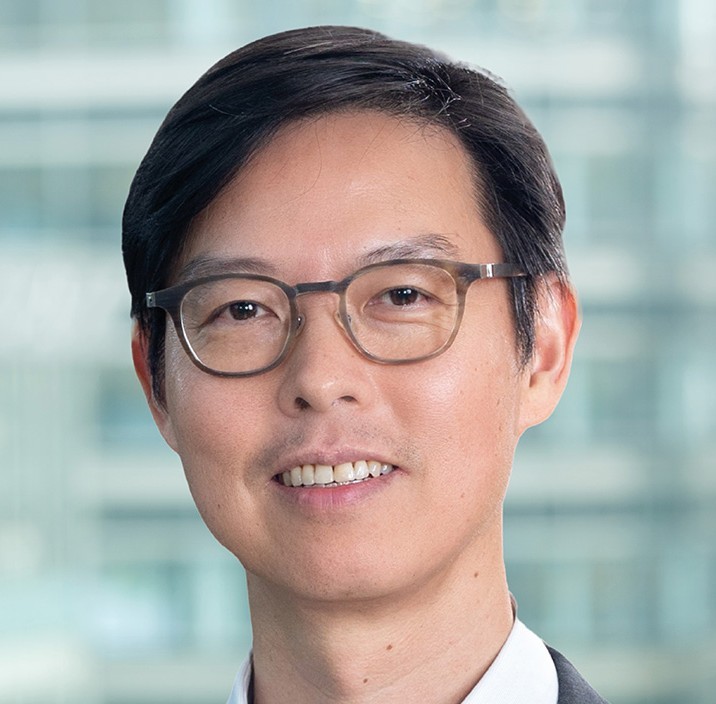
The more important trade operations have become because of growing uncertainty, the more important HSBC has become to many of our clients
David Liao
Mutually complementary to its wealth business, HSBC’s corporate and institutional franchise was a match in depth and breadth. Its Asian wholesale transaction banking franchise grew income 5% year-on-year and generated revenue comparable to its next three closest competitors combined, reflecting unmatched network reach, client penetration and product breadth. These advantages were further reinforced by deep client relationships and high multi-product penetration, putting HSBC at the heart of its transaction banking clients’ day-to day operations.
Deep and longstanding wealth and corporate relationships also create a powerful pipeline for financing activity. When funding needs arise, clients transition seamlessly into HSBC’s equally capable corporate lending and financing solutions franchises, through which the bank raised $66 billion in public markets across Asia in 2025, while maintaining a $165 billion loan book.
Wholesale and institutional banking strength were also recognised this year with HSBC capturing Euromoney’s awards for Asia’s best bank for large corporates, Asia’s best for securities services and Asia’s best investment bank for DCM.
Crowning its other accolades, the award for Asia’s best bank reflects not a single area of strength but the breadth and consistency of HSBC’s performance across the full banking spectrum, from retail customers onboarded at unprecedented scale in Hong Kong to the largest multinational corporates whose global cash and liquidity flows it orchestrates.
Its performance demonstrates a franchise that is not only larger than its Asian peers, but also increasingly relevant and – through its simplification programme – progressively more adept at responding to evolving client needs.
HSBC’s combination of local depth with global reach and infrastructure enables it to shape, rather than simply participate in, Asia’s capital flows. Historically, HSBC has not always fully capitalised on this position, but in 2025 it moved closer to realising its potential. In doing so, it demonstrated execution excellence at a scale and consistency that no other bank in Asia could match.
“We are front and centre of Asia’s major growth drivers, whether that’s outbound Chinese enterprises, or the markets benefitting from trade diversification,” says Liao. “Our depth on the ground and multi-market presence mean we play a leading role in connecting those flows.”