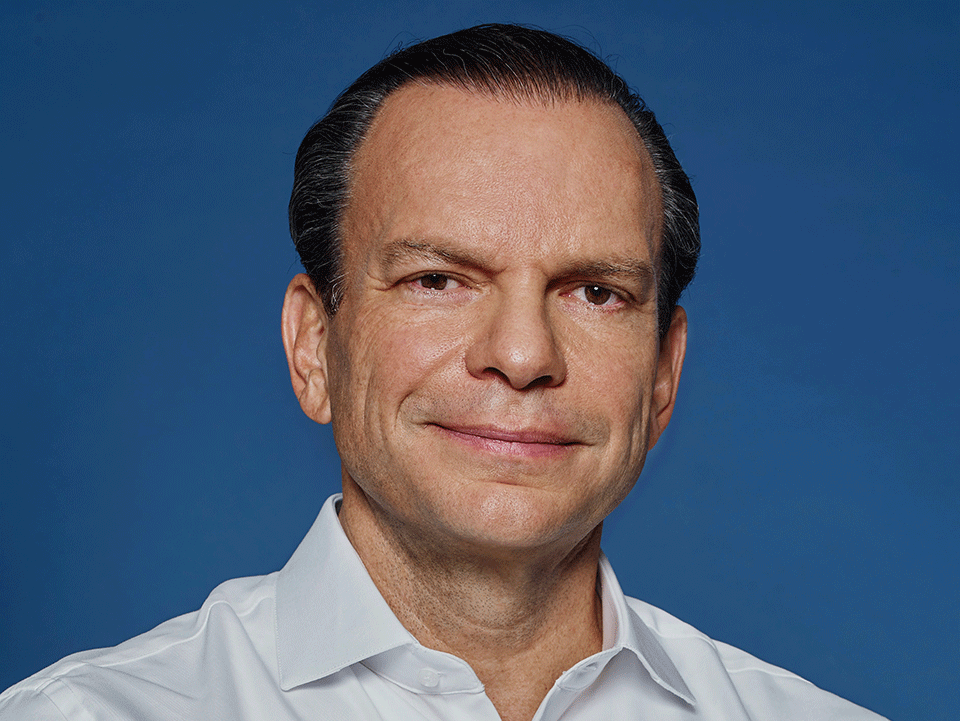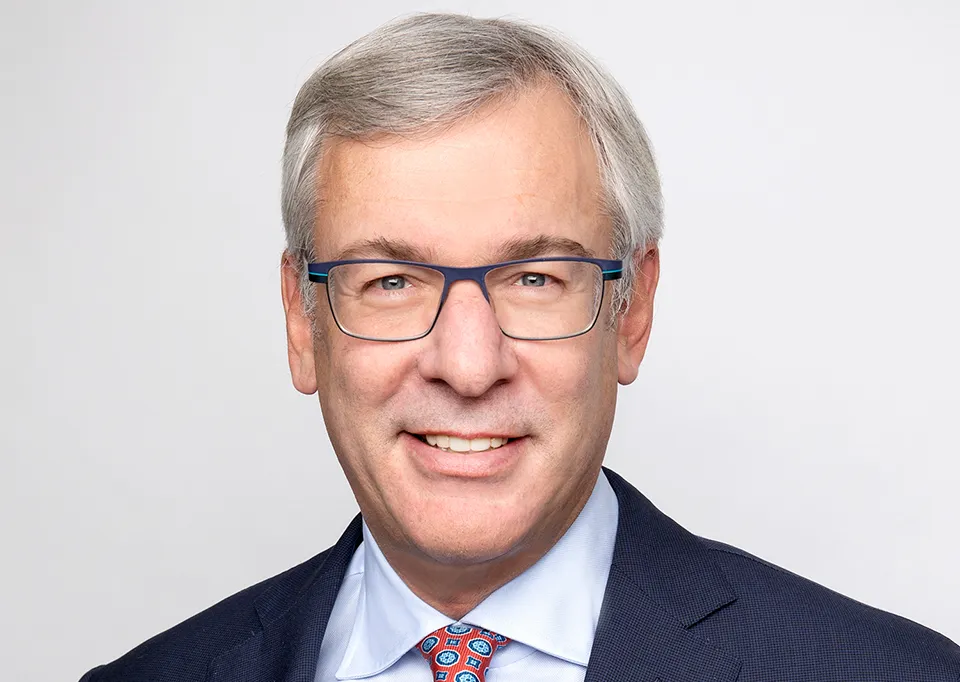
Nordea closed out its 2022 to 2025 strategy period with one of the strongest performances in its history and a clear signal of how the reshape it began in 2019 has changed the bank’s competitive standing in the region.
The Helsinki-headquartered lender delivered a full-year return on equity of 15.5%, the third consecutive year above its 15% target and a level that places it firmly inside the top 20 of the world’s largest banks by that measure. Operating profit reached €6.3 billion and earnings per share rose to €1.45, while the cost of generating each euro of income fell to 45 cents from 57 cents in 2019. Capital generation remained robust, with a Common Equity Tier 1 ratio of 15.7% at year end, allowing Nordea to launch two share buy-back programmes worth a combined €750 million in the fourth quarter alone and propose a 2025 dividend of €0.96 per share, up from €0.94 a year earlier.
Much of the year’s commercial momentum came from the group’s household banking franchise, where the integration of the 235,000 personal customers acquired from Danske Bank’s Norwegian retail business fed through into mortgage lending growth of 6% year-on-year by mid-year, and lifted Nordea’s Norwegian mortgage market share towards 15%, up from 11% before the deal. In Sweden, the bank captured roughly 19% of new mortgage flows over the strategy period – an outsized share that helped its personal banking franchise grow income at around 8% annually since 2022 and add 1.1 million digitally active customers. Corporate lending also expanded by 8% in the final quarter as Nordic mid-cap and large corporates adjusted to a new operating environment, and assets under management climbed 13% to €478 billion on the back of strong Nordic net inflows.
Sustainability targets set in 2021 were either met or exceeded by the end of the strategy period
Digital and artificial intelligence investments were a defining feature of the year. Nordea rolled out internal generative AI capabilities to roughly 10,000 employees and prepared the launch of AI News Summary, a personalised feature in its mobile app that uses each customer’s holdings, account activity and watchlists to filter market news. This made the bank the first of the Nordic majors to put a customer-facing AI service into production. The group also developed Research Librarian, an AI-powered assistant inside its investment banking and equities unit that consolidates equity research, earnings call transcripts and proprietary financial estimates to speed up institutional client conversations.
Sustainability targets set in 2021 were either met or exceeded by the end of the strategy period. Nordea facilitated €235 billion of sustainable financing between 2022 and 2025, comfortably overshooting its €200 billion goal, while financed emissions in its lending portfolio fell 44% against a 2019 baseline, placing the bank inside the 40% to 50% reduction range it had committed to reach by 2030. Carbon emissions from its own operations dropped by 52% over the same period, and green and sustainability-linked assets now account for 15% of total assets, nearly double the 2022 share.
At its Capital Markets Day in November 2025, Nordea, under president and group CEO Frank Vang-Jensen, also unveiled a new 2026-2030 strategy, committing to a return on equity above 15% throughout the period, a cost-to-income ratio of 40% to 42% by 2030 and more than €20 billion in total shareholder distributions over the five years.