Despite having consistently improved its performance over the past five years, UniCredit has aimed higher. The Milan-based bank notched up yet another record year of profitability in 2025, with net income rising 14% to €10.6 billion and return on tangible equity increasing to 19.2%. It is now aiming even higher, targeting a return on tangible equity of more than 23% by 2028.
Revenues increased to €23.9 billion in 2025, compared with only €16.3 billion – with a higher cost base – five years ago, when Andrea Orcel took over as chief executive. The cost-to-income ratio was exemplary at 38.5% in 2025, while cost of risk also remained exceptionally low.
All this helped UniCredit become the biggest European-focused bank by market capitalisation by the end of the year, having overtaken BNP Paribas, as well as Italian rival Intesa Sanpaolo, in May 2025. Other banks, like Santander, may be bigger on a global scale, but UniCredit has a broader network in the EU, which is home to 95% of its customer loans.

Our Polish digital bank is combining the simplicity, transparency and ease of a new bank with the full sophistication of service of a leading European banking group
Teodora Petkova
UniCredit’s Italian business continues to post an exceptional return on capital, coupled with a low cost-to-income ratio and cost of risk. Yet its European focus and financial outperformance, including strong capital generation coupled with strategic proactiveness, also make it the key player in European banking integration today.
In the pivotal Commerzbank investment, it converted its synthetic position into shares during the year and got European Central Bank approval to increase its stake to 29.9%. In Greece, UniCredit increased its ownership of Alpha Bank as part of an increasingly close partnership – encompassing cross-border corporate banking and asset management in Greece. The Alpha stake reached 29.8% by early 2026, after completing the acquisition of Alpha Bank Romania in August.
Digital efficiency
While the interest rate environment was less supportive of net interest income, fee and net insurance income rose to €8.7 billion in 2025. Its onemarkets fund platform passed €30 billion in assets under management in 2025. And by early 2026, gross sales of UniCredit funds made up around 70% of its distribution, more than double the level in 2024 and compared to only 6% in 2022.
During the year it also closed the acquisition of Aion Bank and Aion’s technology platform Vodeno, an established banking-as-a-service player, to facilitate its re-entry into in Poland.
“Our Polish digital bank is combining the simplicity, transparency and ease of a new bank with the full sophistication of service of a leading European banking group,” says Teodora Petkova, UniCredit’s head of central and eastern Europe.
By moving our organisation towards customer value chains, we have overcome typical bank complexity and brought clarity on where the point of value lies
Artur Gruca
Elsewhere at the bank, investments in front and back-end digitalisation have fed into further efficiency advances, AI readiness and customer experience improvements. Germany, for example, has remodelled internal organisation around client outcomes in areas such as mortgages, lending and daily banking.
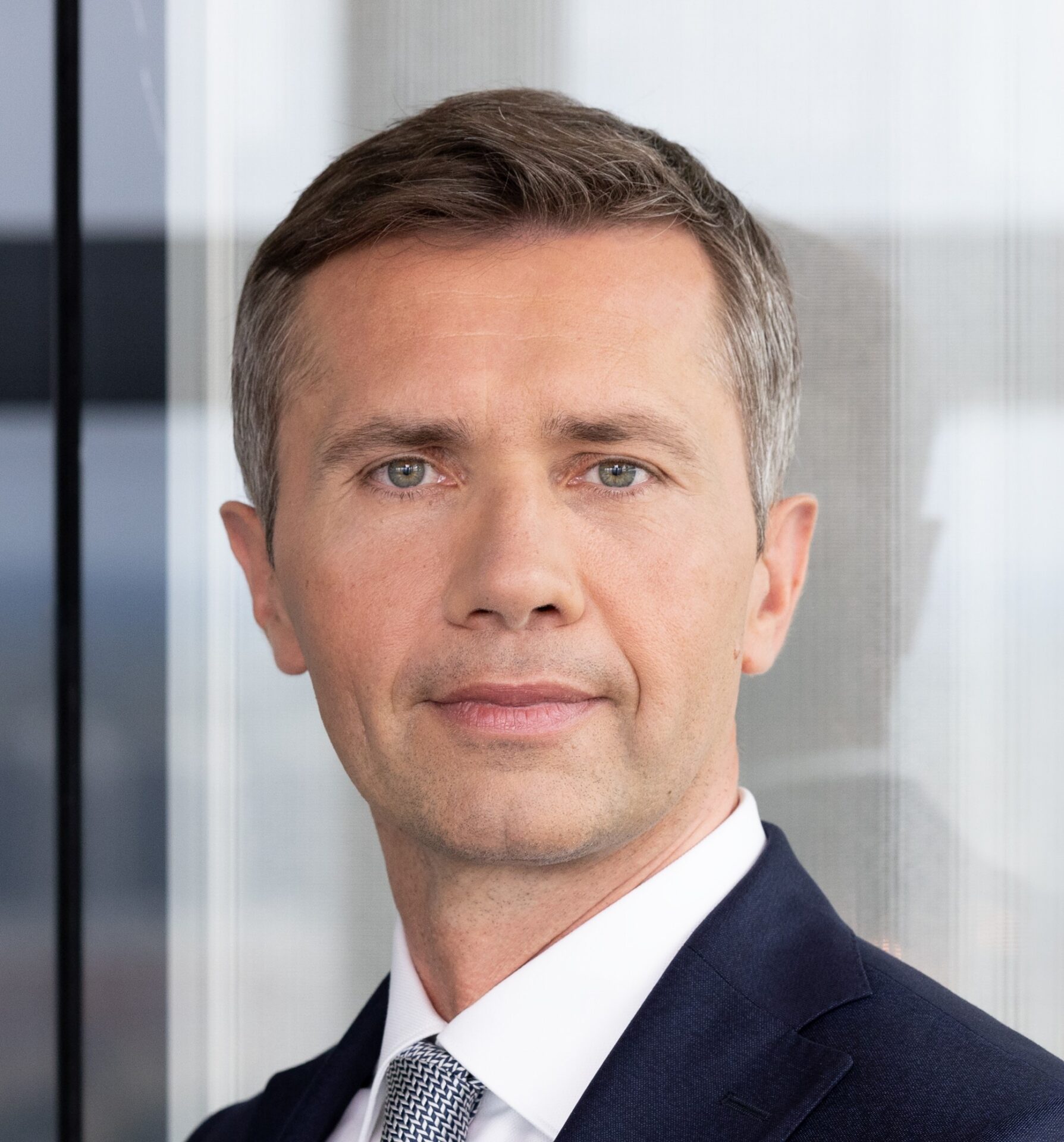
“By moving our organisation towards customer value chains, we have overcome typical bank complexity and brought clarity on where the point of value lies, and what serious transformation means,” says Artur Gruca, chief digital officer at HypoVereinsbank.
“It means we make smarter decisions and maximise the value from our technology investments. In the end, we can translate every invested euro into benefit for the bank and for the customer.”