KCB Group set the benchmark for corporate responsibility in Africa in 2024, combining scale, structure and measurable outcomes to deliver high-impact programmes across gender equity, youth empowerment, financial inclusion, education and climate resilience.
The bank’s integrated approach to social investment delivered tangible progress across multiple countries and communities, backed by clear targets and strategic partnerships.
A steadfast commitment to gender empowerment remains a cornerstone of KCB Group’s corporate responsibility agenda. Through its Female-Led and Made Enterprises (FLME) programme, KCB committed KSh250 billion ($1.9 billion) over five years from 2022 to support women-led businesses. By the end of 2024, the initiative had disbursed a cumulative total of KSh139 billion in loans to business headed by women, up from KSh115 billion at the end of the previous year.
Over 17,000 women have benefited from capacity-building programmes, training, workshops, mentoring, coaching and networking opportunities through FLME, contributing to employment generation and enhanced female economic participation.
KCB’s youth empowerment efforts were led by the 2Jiajiri programme, which combines vocational training, business incubation and startup capital to help young people transition from jobseekers to entrepreneurs. In 2024 alone, the 2Jiajiri programme supported 37,078 businesses and helped to create 60,686 direct jobs, with KSh2.58 billion disbursed in loans to over 4,000 youth-owned companies previously ineligible for financing. Notably, the initiative has expanded to Uganda and Tanzania, reflecting KCB’s growing regional footprint in inclusive development.
Elsewhere, KCB Group’s financial inclusion efforts extended to underserved groups, including micro, small and medium-sized enterprises (MSMEs) and persons with disabilities (PwDs). The bank’s Partner Kwa Ground MSME proposition has opened over 540,000 accounts, mobilised deposits of nearly KSh99 billion and disbursed KS
KCB Group’s corporate responsibility model is distinguished by ambition, execution and impact
h66 billion in loans. KCB Group also trained more than 1,000 PwDs in financial literacy and entrepreneurship, disbursed KSh11.8 billion to over 440,000 PwDs through the Inua Jamii cash transfer programme and redesigned 566 branches for accessibility.
Education was another key pillar of impact. In 2024, the KCB Foundation, which receives 1% of group annual profits, sponsored 1,000 financially challenged students through its scholarship programme, bringing total beneficiaries to over 4,600 and cumulative investment to more than KSh1.2 billion. With a 99% high school completion rate and 84% transition rate to university, the programme has become a national model for equitable education access.
KCB’s corporate responsibility strategy is deeply embedded within the bank’s structure, supported by KCB Foundation. The bank also enhanced staff training, with 3,589 employees trained in environmental, social and governance (ESG) principles and climate risk, and 86% completing e-learning courses on green lending.
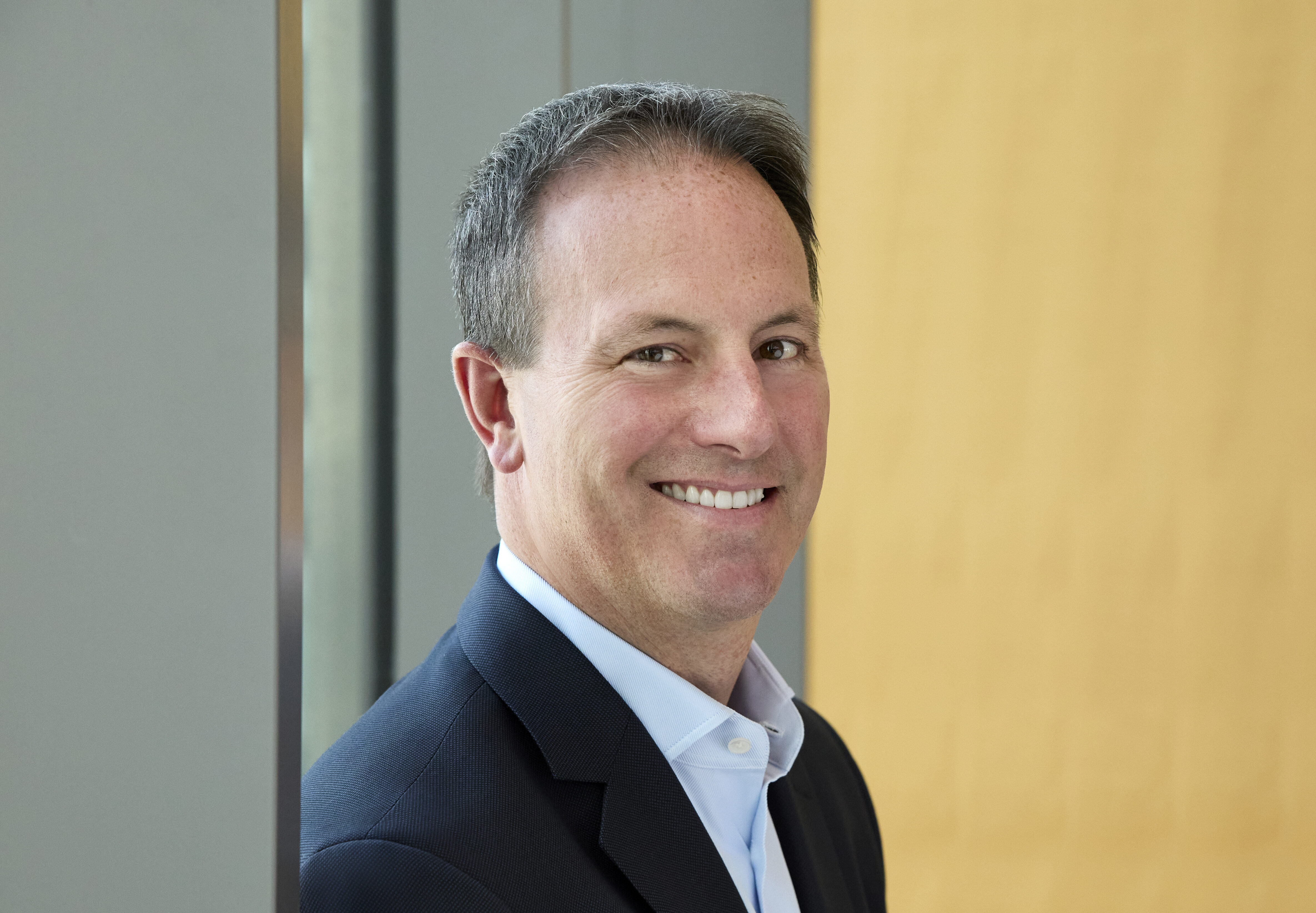
“At KCB, we operate with a clear conviction: in everything we do, we must aim to positively transform the lives of those we serve. Beyond our social investment programmes, we have embedded ESG principles into our operations and strategy to ensure we generate positive impact for both people and the planet – even as we pursue profit,” says KCB Group CEO Paul Russo.
Whether empowering women, training youth, promoting disability inclusion or advancing education, KCB Group’s corporate responsibility model is distinguished by ambition, execution and impact. Its initiatives go beyond philanthropy to deliver scalable, measurable and transformational outcomes across East Africa.