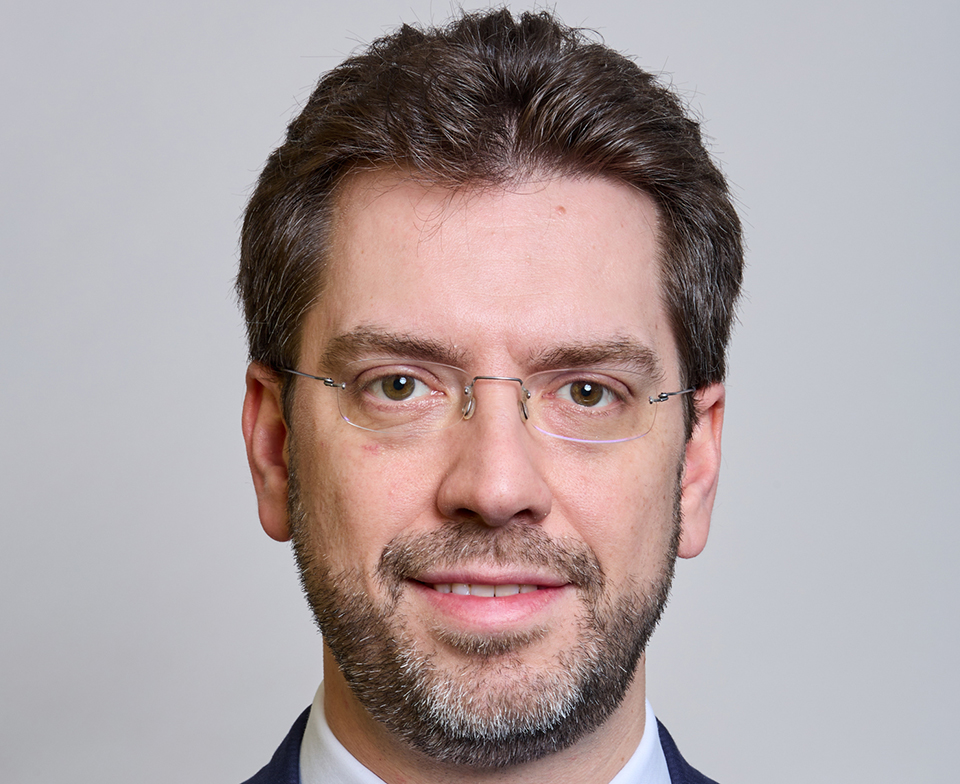
FX franchises were tested in several directions at once during 2025. The April tariff shock broke longstanding correlations and drained liquidity from complex products. The dollar’s slide turned currency risk into a boardroom issue. Metals became a core FX story. Beneath the headlines, investors and corporates kept pushing to automate the operational FX that dominates market turnover and to move restricted currency execution onshore. Many banks excelled on one of these fronts; Deutsche Bank performed across all of them.
It also had a structural tailwind. Clients spent the year diversifying away from US banks, and few European alternatives could offer a full-service franchise. “Most of that ended up at our front door simply because there are very few other full-service European banks,” says Ollie Jerome, head of FX for Europe.
The results show Deutsche made the most of it. FX profitability rose 50% year-on-year and trading volumes doubled. Return on equity for global FX climbed significantly, a notable result for a bank that is unable to match the balance sheet of its largest US rivals. Asia-Pacific revenues reached a record high and FX prime brokerage posted a fourth consecutive year of double-digit fee growth.
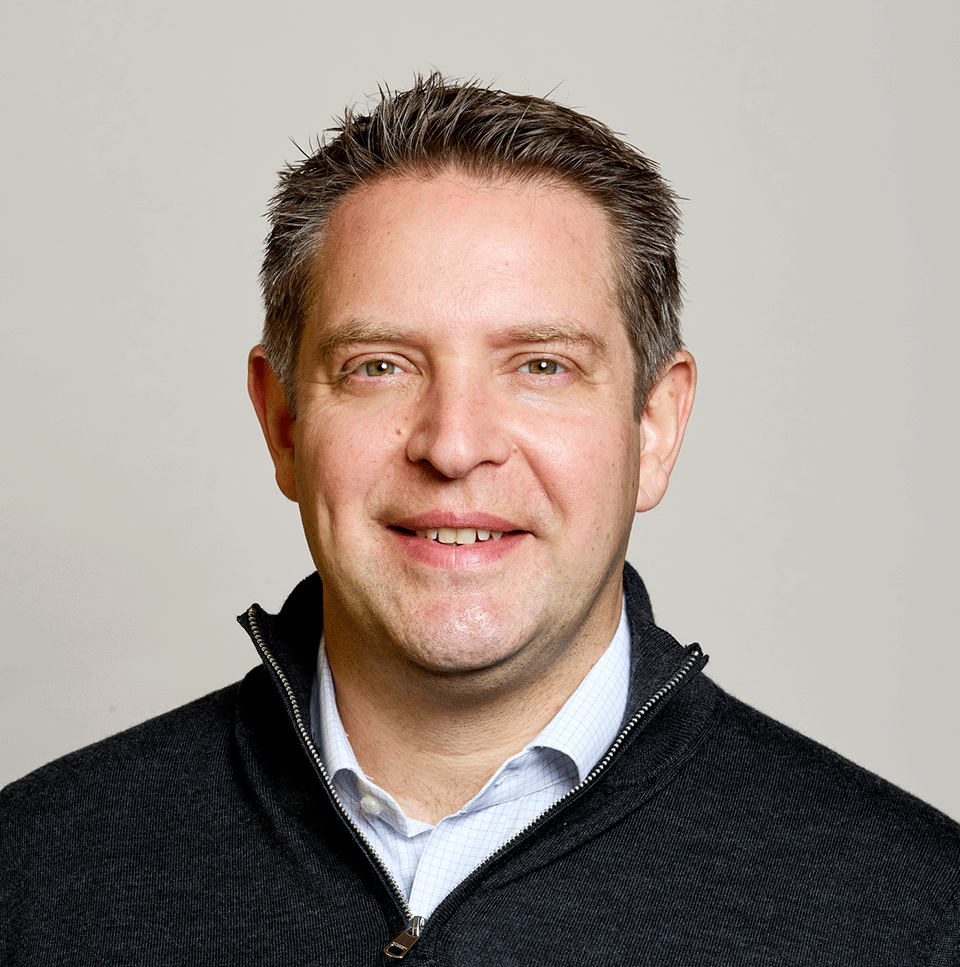
The holy grail of any FX business these days should be to maximise volume and maximise internalisation
Ollie Jerome
There have also been significant increases in internalisation, with the majority of spot flow now matched internally.
Jerome’s view of what matters is blunt. “The holy grail of any FX business these days should be to maximise volume and maximise internalisation,” he says. Deutsche has organised around that. Spot, forwards and options traders now sit together on a common technology layer rather than in product and regional silos.
Deutsche’s proprietary mid-book matching and liquidity platform DB Pro opens the bank’s internal liquidity to clients’ own algos, deepening the pool further. Extending the same model to emerging markets currencies more than doubled the profitability of its emerging markets business.
That depth mattered when markets broke. In April 2025, Deutsche continued pricing complex options and working into positions while competitors stepped back. Record volumes ran through a platform built with enough capacity headroom to keep taking risk. The bank also warehoused some of the year’s largest event risk: when Air Liquide acquired Korea’s DIG Airgas, Deutsche internalised the full KRW flow on a deal-contingent basis.
For corporates, FX “suddenly elevated itself to a C-suite conversation,” says Bhavna Sahay, head of corporate FX sales for the UK and Ireland.
The bank’s most distinctive work was in distribution. Jerome says: “We recognise and embrace the fragmentation of the FX market, with significant new dispersion – the key now is simply to meet the client where and when and how they want to trade.” Rather than pulling clients onto its own platform, Deutsche has built its pricing into the systems clients already use: BlackRock’s Aladdin, smartTrade, Bloomberg, FXSpotStream and, for options, Reactive Markets. Each integration removes a barrier to adoption without adding a point of failure.
Through HausFX, Deutsche’s FX-as-a-Service solution, the operational FX that asset managers once left on expensive custodial standing instructions can now be automated at transparent, fixed cost. Securities-linked FX revenues rose 46%.
The key now is simply to meet the client where and when and how they want to trade
Ollie Jerome
The same philosophy runs through the tools Deutsche has given away. Autoblotter, the risk system its own options traders use, is available to clients and saw external users rise more than 65%. A 340-strong engineering team builds white-label technology for regional banks. Around 20 FX execution advisory specialists, many recruited from BestX, advise clients on market structure without sales targets. “It has never been more important to be relevant to clients across market structure, and we now have a team dedicated to market structure, helping the client choose the optimal medium, method and period for executing their risk,” Jerome says. Transparency, rather than complexity, has been the selling point.
Restricted markets are where the model is hardest to copy. Onshore in 12 Asian markets, Deutsche executed the first algo trade in onshore Korean won under the Registered Foreign Institution scheme. It now delivers 95% of its restricted currency liquidity electronically, up from around two-thirds two years earlier. Back-to-back structures let clients reach onshore curves while facing their usual Deutsche entity, and cross-currency compression has cut traded notional by up to 23% for asset managers.
The rebuild shows in the client base too. In the US, a real-money franchise saw revenues and volumes grow materially. Large US corporates that have long banked with US houses are now allocating FX business to Deutsche on product quality.
And the next phase is already taking shape. In October, Jerome moves up from vice chair to chair of the global foreign exchange division of the Global Financial Markets Association. His agenda for the role centres on preparing the market for tokenisation and distributed ledger technology. “My entire agenda is around making sure the FX market is prepared for the wave of innovation and market structure change, with Deutsche Bank at the vanguard,” Jerome says.
Scale alone does not make the best FX bank. Deutsche offered a combination of risk appetite in a disorderly market, infrastructure that took cost and friction out of FX, and onshore reach as the market moved in that direction. No other bank delivered all three in 2025.