Best bank: Ficohsa
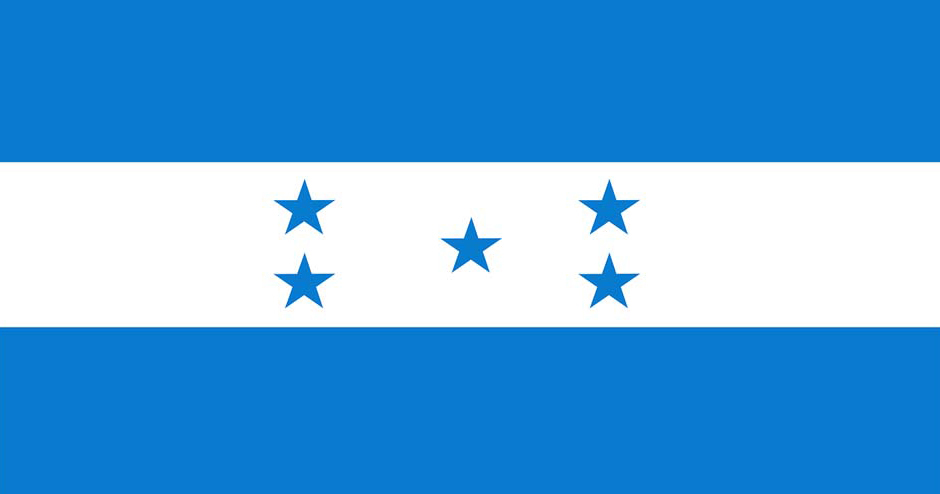
While Honduras has shifted its political allegiance to China – it ended diplomatic relations with Taiwan in an attempt to win investment from the Asian superpower – its real problems lie closer to home. The economy is stuck in a remittances trap, with annual payments from its diaspora back to the country worth almost 30% of GDP, which is the highest ratio in the region.
These remittances provide the state with a vital source of hard currency but also do little to improve productivity and local jobs, and arguably create a perverse disincentive to improve domestic services and employment prospects. In 2023 the economy grew 4% which, in nominal terms seems to represent respectable progress, but considering the country’s low base (GDP per capita was $3,330 in 2023) this has done little to improve the massive 64.1% poverty level in 2023, which is higher than before the pandemic (59.3%).
Against this challenging backdrop, Ficohsa wins the award for the country’s best bank for the work that it has done on reaching out to the unbanked. It has been able to leverage its status as the largest bank in the Honduran financial system and is increasingly seeking to add scale outside its core market and grow into a regional competitor. An example of this was Ficohsa’s decision in December 2023 to acquire Asesuisa in El Salvador, which was part of Grupo Sura.
Meanwhile, Banco Ficohsa extended its leadership in Honduras, with assets of $7.8 billion in 2023, advancing at a rate of 14.2%. Honduras remains its most important market; it is the largest bank in terms of assets (19.2%) and the second and third in loans and deposits respectively, with shares of 18.2% and 16.8%.
In recent years, growth goals have been established based on the traditionally served segments and on improving the control of expenses, which has resulted in adequate portfolio quality and profitability indicators. Meanwhile Fitch’s analysts also stress the benefits of the bank’s strong risk control: the senior management team – led by chief executive Camilo Atala – says that the bank does not take risk beyond that associated with its credit activity, the most relevant being interest rate and exchange rate risk. Given that, as of March 2023, 35.6% of the portfolio was placed in dollars, it is hedged to avoid earnings volatility.
Best international bank: Citi
Citi introduced transformative payment innovations and important donations for local communities in Honduras last year.
Its Citiconnect solution automated previously manual payment processes, enabling clients to approve and execute payments without the need for manual intervention. Its Citi Payment Insights functionality has given clients enhanced visibility and control over their cross-border transactions.
Citi has also prioritized corporate responsibility through work undertaken by its foundation. It allocated $62,400 to support women’s empowerment and financial education under the Together at Home programme, run in collaboration with the non-profit United Way Honduras.
In the agricultural sector, Citi’s recent investment of $250,000 in Groundswell International aided the establishment of grain reserves and seed banks throughout the country. This directly benefited 631 families and 3,155 individuals in small farming communities.