HSBC was the standout candidate in this award this year, dominating transaction banking in Asia.
The data supports this view. The bank was the largest trade finance bank by revenues in Asia in 2023, the number-one payments bank by market share and the leading regional securities services franchise. During the awards period, it processed 53 million real-time payments transactions in 15 regional markets and around 30,000 trade transactions each day. It is a market leader in cash management in 12 Asian markets and a top-three cross-border direct custody provider in 16 of the 17 Asia markets it serves.

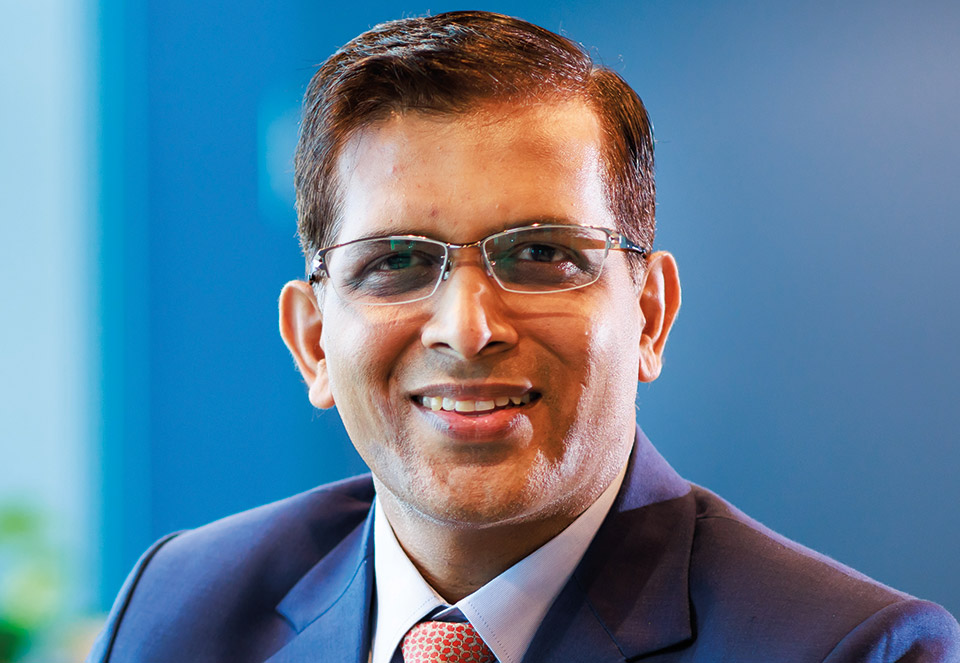
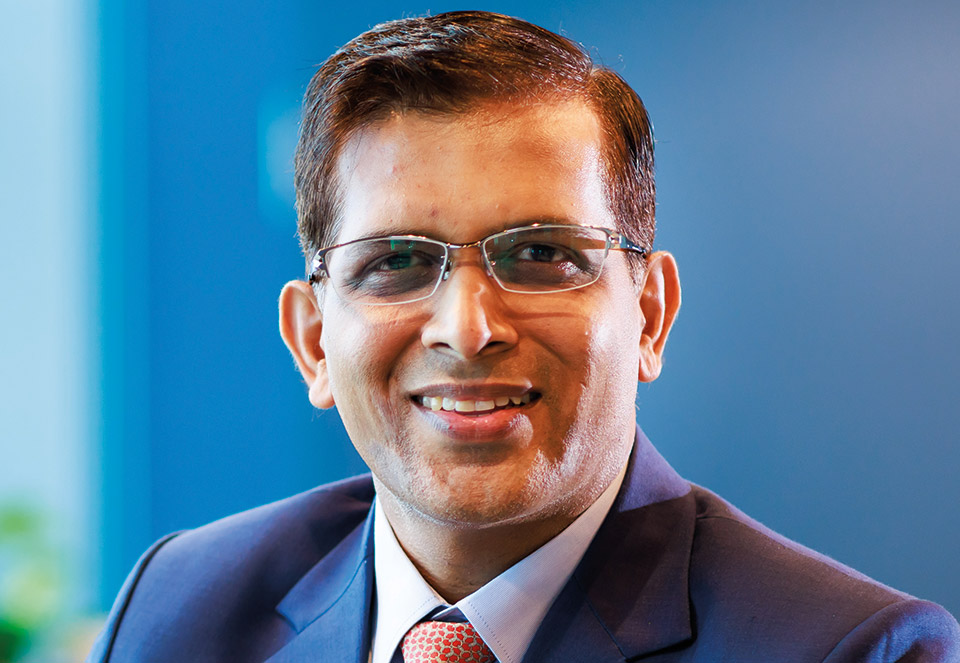
“That really speaks to the fact that all the investments we’ve made in the new payment channels are getting commercialized by our clients,” says Manoj Dugar, co-head of global payments solutions Asia Pacific at HSBC.
“We have seen strong growth across our business. We have consistently invested in our business, to make our payments services stronger, our receivables capacity stronger, our liquidity capabilities stronger. And that’s now reflected in the underlying growth of our business,” he adds.
HSBC ranks number one in large corporate banking penetration in Asia in 2024, according to research firm Coalition Greenwich, topping the lists in Hong Kong and South Korea. It also led the way in large corporate cash-management penetration in Asia, retaining its number-one spot in Hong Kong and ranking in the top four in Malaysia, Vietnam, Singapore, Indonesia and mainland China.
The sheer range of services HSBC deploys to clients is impressive. In 2023, the bank launched HSBC Ecom Direct in mainland China, a cross-border payment and collection service directly integrated with e-commerce platforms. It simplifies payments and collections processes for small and medium-sized enterprises in the Hong Kong/Greater Bay Area.
Also in the SME space, HSBC was the first foreign bank in India to launch, during the awards period, an Open Network for Digital Commerce proposition that fosters a competitive and open network for buyers and sellers. It enables them to transact without needing to be on the same platform.
In 2023, the bank supported more than 56 million transactions via its Omni Collect solution. The service allows clients to accept payments across multiple channels and markets. To date, it has been adopted by more than 6,500 companies in 13 Asian markets.
HSBC also continues to be the number-one foreign renminbi bank, as it leads the way in helping China to internationalize its currency. It maintains one of the largest renminbi networks worldwide, with capabilities in 18 Asia markets.
In 2023, it was the number-one foreign bank in terms of the volume of yuan transactions cleared via China’s Cross-Border Interbank Payments System and the leading global provider of Qualified Foreign Institutional Investor custody services, serving 274 of a total of 806 qualified foreign investors.
“Clearly, we are playing an instrumental part in building the future of money and using that to drive innovation and financial inclusion,” says Dugar.
HSBC was the largest trade finance bank by revenues in Asia in 2023, the number-one payments bank by market share and the leading regional securities services franchise
As ever, the bank remains a pioneer in sustainable finance, consistently delivering on and often beating its own net-zero targets, while also helping clients to meet their own sustainability objectives. Examples during the awards period include delivering a social loan to Indonesia’s Mitra Bisnis Keluarga Ventura, with the proceeds used to deliver microfinance services to low-income women; and arranging a sustainability-linked loan for a global apparel firm in Vietnam to help meet its sustainability objectives by 2025.
There are other examples of its market-leading capabilities in transaction banking. The Pacific Alliance Group used HSBC’s next-gen virtual account solution to manage special purpose vehicle entities across its buyout funds. The process enabled the alternative investment firm to reduce the number of physical bank accounts it oversees by 90% and to simplify its account structure and know-your-customer processes.