Innovation is occurring at a rapid pace in Islamic finance, spurring growth and development in this global market. Investment management firms need to continually evolve their product and service offering to stay ahead of the competition and attract new capital.
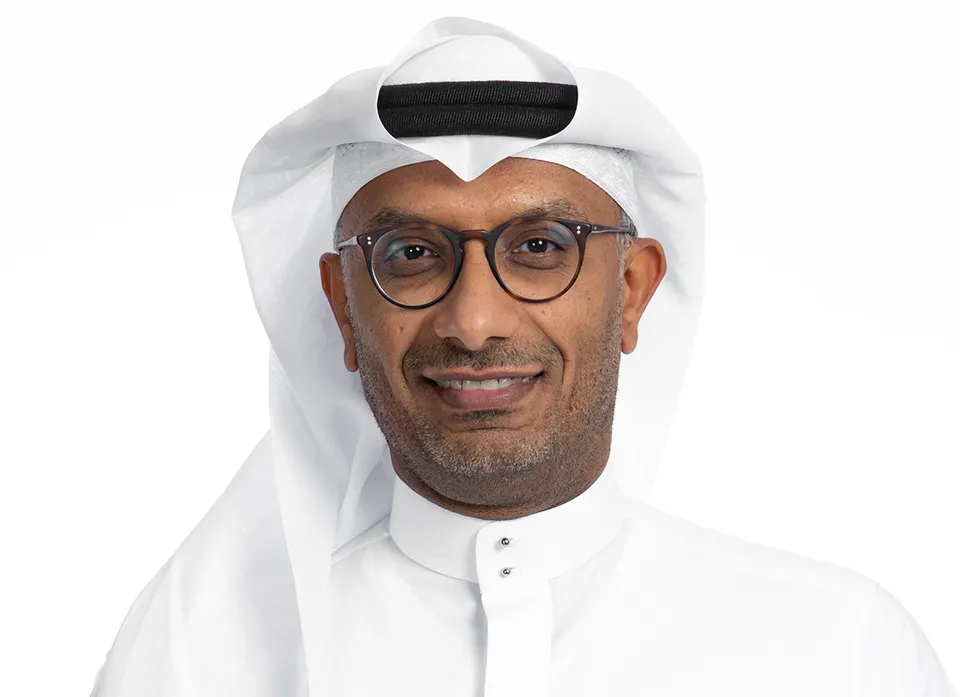
One firm that demonstrated this last year is Saudi Arabia-based global asset manager Sidra Capital – Euromoney’s most innovative Islamic fund manager for 2024. Its chief executive is
Muhammad Currim Oozeer and the chairman is Hani Othman Baothman.
The firm, through its Singapore subsidiary, Sidra Capital Pte Ltd, designed and launched a new shariah-compliant open-ended investment fund under Singapore’s new variable capital company structure, which will invest in commodity trade financing in the Asia-Pacific region.

VCCs are a new legal entity structure for all types of investment funds in Singapore. They can be formed as a single, standalone fund or as an umbrella fund with two or more sub-funds, each holding different assets.
The Sidra fund – called Sidra Asian Opportunities Investment I VCC – is a standalone investing in commodity trade finance transactions, with a focus on supporting the export of solid fuel (thermal, metallurgical and coking coal) from Indonesian producers to buyers in Apac.
Importantly, the investment is structured as a secured wakala facility between the fund and a Singapore-based trade manager who possesses a commodity trading licence. The fund appoints the trade manager as its wakil or agent in applying the proceeds of the wakala capital to procure a quota of solid fuel from the producers and forward sell the commodity to buyers in Asia at a margin.
The margin gives rise to the trading profits that are then disbursed to the fund and its investors.
Sidra Capital designed and launched a new shariah-compliant open-ended investment fund under Singapore’s new variable capital company structure
All transactions require a fully funded, irrevocable letter of credit issued or confirmed by investment-grade banks, eliminating the credit risk of the buyer in the transaction. The banks’ default risk is the only credit risk in the transaction.
The overarching strategy behind it is to bridge an existing supply/demand mismatch between Indonesian producers and buyers in the region due to restrictions around the quantity of solid fuel producers can sell directly to any one single buyer.
As such, the fund is investing into the real economy and, at the same time, helping to close the trade-finance gap by reallocating capital from the Middle East to areas in Asia where it is needed.
Investors – including Middle East family offices, high net-worth individuals and regional financial institutions – are offered an attractive risk-adjusted target return of 10% a year (net of fees), along with a stable income yield, low volatility and low correlation to traditional asset classes.




