Last year, ING was the first bank in central and eastern Europe to stop providing dedicated finance to new upstream oil and gas fields, despite the fact that Russia’s invasion of Ukraine threatened energy supply on the continent. The Dutch lender remains the bank of choice for green or sustainability labelled deals in the region.
It has made a commitment to increase its financing to support the transition of its clients to €125 billion a year, while in March this year, ING announced it would now restrict dedicated finance to midstream activities, specifically oil and gas infrastructure that unlock new oil and gas fields.
This dedication to reducing the volumes of finance it allocates to the sector was met with a push for higher standards on the sustainability-linked side.
“As a funder of the real economy, we seek to support our clients through the transition,” says Robert Spruijt, head of sustainable finance Europe, Middle East and Africa at ING. “The sustainability-linked product is a great engagement tool since it focuses on the key ESG issues of a company.
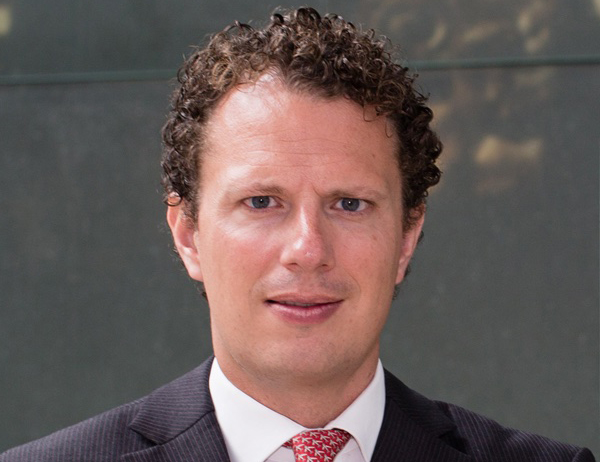
“The impact of such a product can be significant if properly structured, but we also sometimes see cases where the quality is being compromised, in which case we have to say no,” he adds.
During the awards period, ING was sustainability coordinator for Polish wood product manufacturer Paged’s €64 million syndicated sustainability-linked loan in December 2022 and lender to construction firm Saint Gobain’s Zl48 million ($11.8 million) green guarantee agreement. This financing was facilitated after Saint Gobain signed a 15-year power purchase agreement with Tion Renewables to cover 45% of its electricity needs with renewable power from the German supplier.
In Romania, ING was sustainability coordinator for two notable syndicated green loans. The first was a €93.8 million loan to synthetic fibre exporter Greenfiber International and the other was a €127 million financing for Green Group, the largest integrated recycling group in southeastern Europe.
The sustainability-linked product is a great engagement tool since it focuses on the key ESG issues of a company
Robert Spruijt
Recycling and, more generally, circularity is becoming an increasingly important sustainability theme for ING. Its Circular Textiles round table initiative in 2022 led to a pan-European one day circular textiles event with representatives from 10 different European countries in attendance. At group level, ING has supported development of a United Nations international agreement to end plastic pollution.
The bank has been working closely with banks in the region to raise sustainability standards. It was sole sustainability structuring adviser and joint lead manager for OTP Bank’s €400 million 5.5% green senior preferred bond in July 2022, at a time when issuance in the region was pretty scarce. In Slovenia, ING was also joint bookrunner for Slovenska Sporitelna’s €500 million 3.5% April 2028 green covered bond.