
Global macroeconomic turmoil might seem far from the day-to-day concerns of small and medium-sized enterprises, but those issues are getting ever closer to the heart of their business. Inflation, supply chains, labour shortages and commodity prices were just some of the challenges thrown up in the awards period.
SMEs had the same worries as their bigger cousins, and often fewer resources to cope with them – something that made them all the more reliant on their banking partners. Many have had to find alternatives to key commodities sourced from overseas and to hedge input price increases.
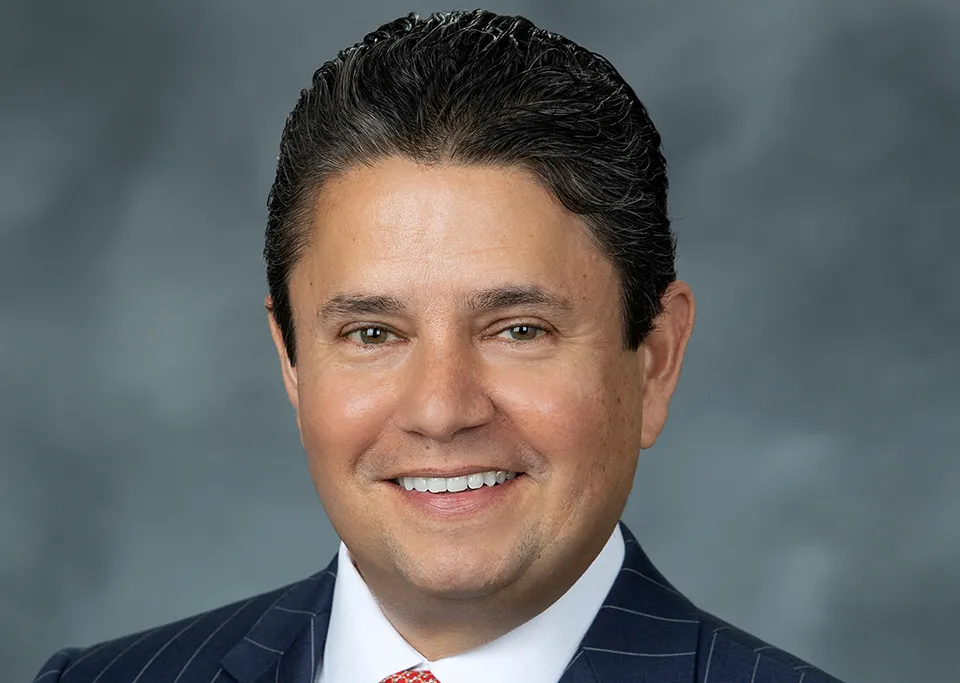
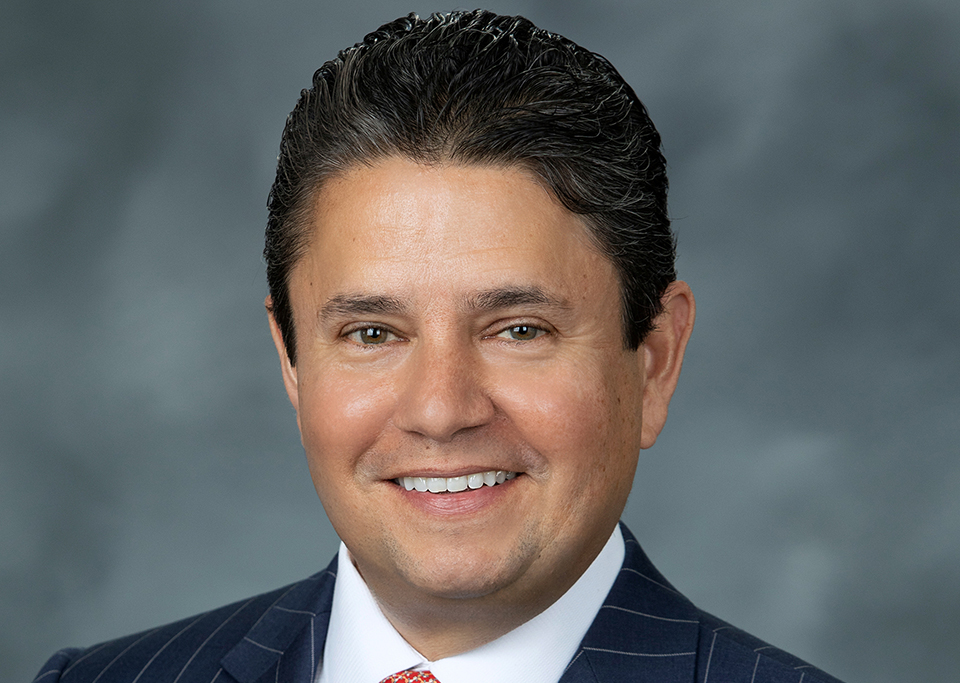
“The most critical thing was thought leadership around geopolitical risk, economic risks, anything that could impact clients’ businesses,” says Raul Anaya, president of Bank of America’s business banking unit, which caters to more than 20,000 companies with annual revenues of $5 million to $50 million. “Being a banker to so many different companies in so many different industries, we have a great perch.”
It is easy to forget now that at the start of the awards period the world was still in the throes of dealing with the Omicron variant of Covid-19, disrupting the client visits that an SME franchise depends on. But as conditions gradually improved, and to cater to demand, BofA increased the relationship managers in its business banking division by about 20%, allowing a big increase in in-person calling.
One recent development in BofA’s business banking unit is the building of national teams of bankers focused on a few key industries, mirroring the approach in the global commercial banking unit that services those clients with needs not quite big or varied enough to fall into corporate and investment banking.
These national practices are not-for-profit, emerging growth, healthcare and government contracting. The sectors were chosen to reflect where the most disruption and evolution is taking place. The non-profit sector, for example, was heavily relied upon in the pandemic, while the emerging growth practice was inundated with demands for advice after the collapse of Silicon Valley Bank in March 2023.
BofA’s digital offerings are a mainstay of its approach to SME clients, none more so than CashPro, the digital banking platform that is the reference point for transaction bank solutions.
The year saw the continued rollout of CashPro Forecasting, a system first launched in January 2022 that uses machine-learning analytics to understand a company’s cash flows based on the payments data that is already going through BofA’s pipes. It can then put that to use in producing cash-flow forecasts.
Being a banker to so many different companies in so many different industries, we have a great perch
Raul Anaya
But digital banking is sometimes more prosaic than that. Borrowers must typically send periodic financial statements to a lending bank. Five years ago, most would have sent them to BofA in the mail: now more than half are uploading them to its platforms. Anyone working in SME banking knows that progress like this is more spectacular than it sounds – and getting there is not easy, even with the disruption of a pandemic to provide some impetus.
More than 90% of eligible loans are now closed digitally; an example of using what the bank learned through its involvement with the Paycheck Protection Program during the pandemic to build its ability to digitize the credit process.
Another challenge BofA has been helping its smaller clients navigate is the fact that some 90% of greenhouse gas emissions are under contract – that is, they are tied up in a chain of business relationships that are therefore threatened by moves towards net-zero by those higher up in the chain. The result could be a host of stranded suppliers.
“Think about a family-owned business in the mid-west that has not committed to net-zero but is the supplier to a Fortune 500 company,” says Anaya. “If they are not thinking about that or planning for it, then they risk losing that relationship.”
Over the last 12 months, the bank has had 15,000 net-zero client conversations – net zero is one of the topics that gets logged in BofA’s customer relationship-management system. If banking one in seven companies in the US has taught BofA anything, it is that it pays to make a note of what they are saying.