
Unsurprisingly, energy has remained a central theme over the past 12 months as the repercussions of Russia’s invasion of Ukraine reverberate around both global markets and transition plans. From high expectations related to the transition pathways of oil and gas majors to rising input costs in manufacturing, the principles of energy efficiency and sobriety are now common currency in the world of sustainable finance.
Societe Generale again takes the award for the world’s best bank for transition strategy this year. The French firm continues to impress with its ambition to implement a shift across all sectors it considers as the ‘enablers’ of the transition – not just energy.
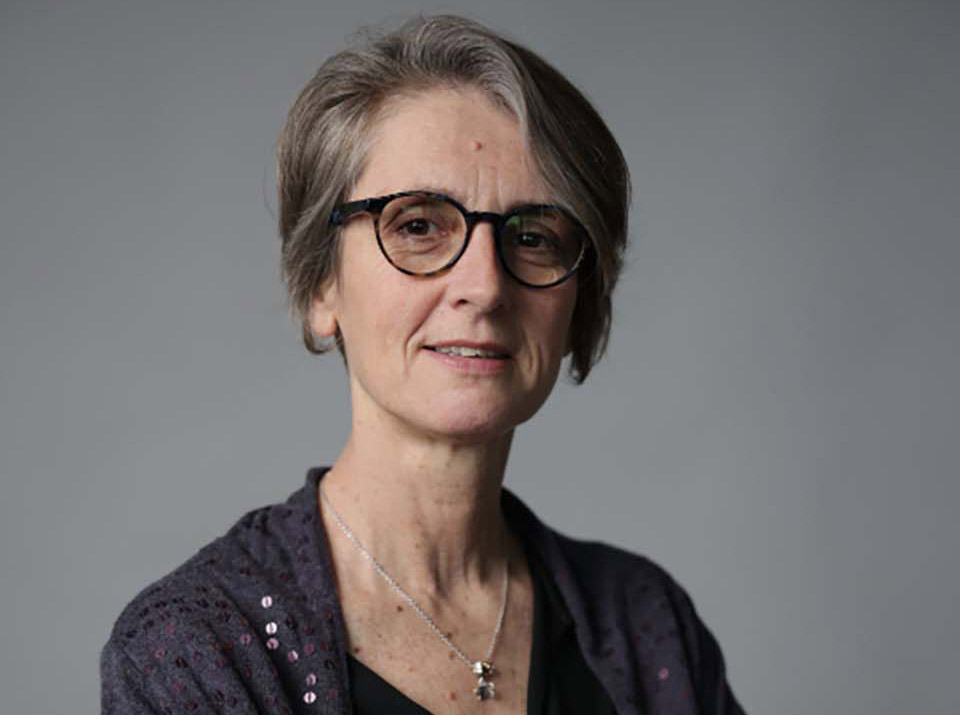
Sandrine Enguehard, head of sustainable and positive impact finance, says: “2022 was a very successful year for SocGen; it’s been a year of transformation for us when it comes to transition finance.”
The bank is starting to see the benefits of tackling the topic internally first, in order to then influence client behaviour. To have meaningful conversations with clients about transition, SocGen knew that it needed to put a diverse industrial skill set at their disposal, one that adopts a cross-sector approach.
Shortlisted
- BNP Paribas
- Crédit Agricole
- DBS
Those skills come from the staff. SocGen mobilized 400 employees from across regions and business lines to implement 15 strategic activities on transition opportunities. Looking at strategic value chains, the bank considered its clients’ interactions with air transportation, maritime industries, rail and road mobility, sustainable food and agribusiness, and raw materials, and then examined how to adapt their emissions statements.
“Knowing what a credible transition plan looks like can be challenging, but a key component is the speed of transition,” says Enguehard.
In October 2022, SocGen raised its net-zero targets and aims to reduce financial exposure to the oil and gas production sector by 20% by 2025 and reduce the absolute carbon emissions target for end-use of oil and gas production by 30% by 2030. It also plans to reduce the carbon intensity of exposure to the power generation sector to 125 grammes of CO₂ per kilowatt hour by 2030.

It is clear that the French bank has leveraged its reputation as the financier of choice in metals and mining, transportation and infrastructure to make the most progress on transition.
SocGen was financial adviser for NeuConnect’s multicurrency project financing to build the first power interconnector between Germany and the UK, and for the Champlain Hudson Power Express $6 billion project financing to build a transmission line to New York City. It was also mandated lead arranger for Australian mining company Oz Minerals’ A$1.2 billion ($803 million) bridge loan for the largest low-emissions copper-nickel project. And in June 2022, it was co-adviser and investor for Flying Whales’ third round of private capital fundraising, totalling €122 million, to develop a low environmental impact cargo airship.
One reason that SocGen has established an enviable reputation in this space is because it knows how to tackle the new capital requirements its clients will face as they transition their business models.
“We can provide the right equity and financing advisory solutions to tackle the new needs that our clients now have as a result of embarking on an energy transition,” says Eric Bonnin, strategic adviser for energy transition and sustainable finance.
The bank also understands the global need to accelerate the deployment of renewable energy capacity. This means tackling decarbonization practically. The bank estimates that a third of the total capex that needs to be spent on the energy transition will go towards small-scale assets such as decentralized power generation, biogas/biomethane, smart meters, heat pumps, solar panels, hydrogen refuelling stations and energy-efficiency equipment.
Knowing what a credible transition plan looks like can be challenging, but a key component is the speed of transition
Sandrine Enguehard
For Bonnin, that is where banks like his have a role to play.
“We have been looking at ways to aggregate the small-scale assets so that there is a standardization of the type of financing we can provide – and with optimized cost of financing,” he says.
In the US, SocGen was joint lead arranger and hedge provider for SunRun Poseidon’s residential solar portfolio worth $600 million and coordinating lead arranger for a $422 million photovoltaic (PV) and battery storage system portfolio project with AES Distributed Energy in Hawaii.
The bank has facilitated funding for larger assets too. It was joint lead arranger for Gemini’s $1.3 billion solar PV plant and battery storage facility, the largest single solar and battery storage project ever financed in the US.

Aware that transitioning towards a low-carbon economy also requires the deployment of new and innovative technologies, SocGen has worked towards tailoring financing solutions for disruptive technologies.
“We are adapting our risk appetite and product range to build a comprehensive offer for emerging leaders,” says Bonnin.
The bank is advising US-Chilean company HIF on its development of e-fuels by integrating green power to fuel production to decarbonize transportation activities.
The bank made it clear this time last year that it had the ambition to start investing in biodiversity by establishing metrics to assess the impact of nature-based solutions. In 2022, it did just that.
The bank announced 18 new commitments relating to biodiversity including: extending the environmental and social assessment process to 100% of large corporate clients with a focus on biodiversity; requiring non-deforestation commitments from clients active in the palm oil and the south American soybean and beef sectors; and increasing the number of partnerships with CDC Biodiversity for joint actions to preserve and restore nature in real estate projects.


