In the current inflationary and rates environment, corporates are prioritizing the health of their supply-chain partners that are facing a perfect storm of substantial increases in raw-material prices, tightening liquidity conditions and rising borrowing costs – all of which make cash-flow management a notable challenge.
A supplier survey published by Taulia earlier this year found that 38% of respondents were taking early payments in 2021 – double the number that were taking them in 2017 when the company started the annual survey.
Early payment is viewed as a highly effective tool by an increasing number of our larger corporate clients to support suppliers without impacting their own cash flow
Frederick Rugginz, JPMorgan

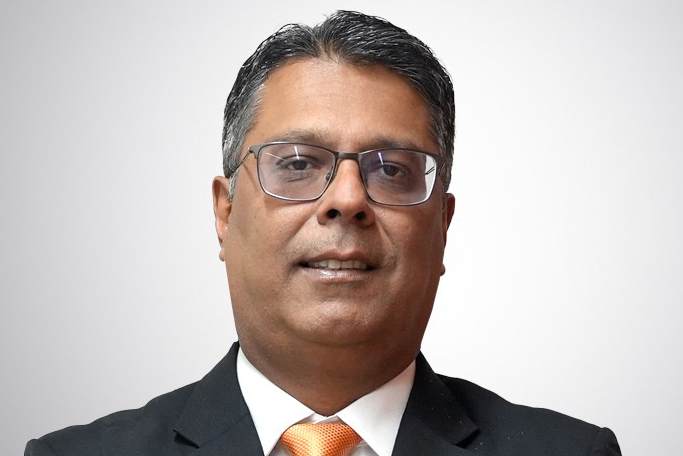
“Early payment is viewed as a highly effective tool by an increasing number of our larger corporate clients to support suppliers without impacting their own cash flow,” says Frederick Rugginz, EMEA head of supply-chain finance programme management, trade and working capital at JPMorgan.
While supply-chain finance is often combined with payment term amendments, JPMorgan has seen a surge in enquiries from clients looking to offer early payment without even opening negotiations with their suppliers.
DBS has also noticed a large increase in enquiries on early payments programmes, such as reverse factoring and dynamic discounting, in recent months, according to Sriram Muthukrishnan, the bank’s group head of product management, global transaction services.
“Clients in various markets, from multinational clothing companies to pulp and paper manufacturers, have the same primary concerns – how they and their banking partners can enhance supplier support by enabling early payments at competitive rates,” he says.
The main reasons for suppliers taking early payments include closing the cash-flow gap, collections/payment predictability and meeting working capital needs.
Other factors behind the growth of early payment programmes include greater awareness of financing options and knowledge that the market has more instruments available than just traditional bank loans or overdrafts.
Existing credit lines
However, Muthukrishnan acknowledges that it is difficult to correlate the increase in supply-chain programmes with a decrease in the volume of bank loans taken out by smaller suppliers, as many governments have offered subsidized loans for small and medium-sized enterprises (SMEs) during the Covid pandemic.
“In addition, these smaller suppliers may continue to tap existing credit lines from banks (despite being recipients of early payment programmes) as added insurance to fund their growth and buffer inventory financing needs to hedge against the uncertain macroeconomic backdrop,” he says.
To facilitate access to early payment programmes, DBS has rolled out digital solutions that enable it to onboard suppliers in less than 24 hours.
Clients in various markets have the same primary concerns – how they and their banking partners can enhance supplier support by enabling early payments at competitive rates
Sriram Muthukrishnan, DBS

Although JPMorgan has seen an uptick in demand from suppliers wanting to join early payment programmes due to rising costs, this has generally been with the intention of complementing their existing liquidity facilities rather than replacing them, according to Rugginz.
“Suppliers often prefer to maintain bank facilities, such as overdrafts, as back-up liquidity sources and use early payment – which usually attracts lower fees – whenever available,” he agrees, adding that while late payment rates tend to go up across the board when economic times are hard, corporates are aware of the strain this can place on their suppliers’ working capital.
The Taulia survey noted a clear progression towards better behaviour from businesses with a decrease in instances of late payment, which fell by 25% between 2017 and 2021. According to the survey authors, the reduction in late payments signifies improvements in automation as well as a desire to improve suppliers’ financial health.
Early stage companies that are generally cash-flow negative often view early payment as a useful means of funding their business. The problem all companies face is that everyone wants to delay their payables but expects to be paid punctually.
Down the line, companies are expected to deploy technologies to optimize working capital – including big data and analytical models – and even use artificial intelligence (AI) bots to make decisions around when to pay early using bank funds or their own funds.
This is an area where adaptive learning and robotic process automation could be especially effective, allowing suppliers to automatically select the best invoices to request early payment discounts based on payment terms and other factors.
This would allow companies to manage the accounts receivable versus accounts payable balancing act by paying customers based on priority, while using AI to identify likely defaulters and collect proactively.
Of course, early payment is just one of many ways to improve working capital. Other steps companies can take include simplifying the invoicing process and working as efficiently as possible.