
The successful growth of BAC International Bank throughout central America and the Caribbean region led to the bank being spun off from parent Banco de Bogotá. Although the bank is no longer part of this group – it has its own listing in Panama – the primary shareholders remain Banco de Bogotá and Luis Carlos Sarmiento Angulo, chief executive of Grupo Aval.
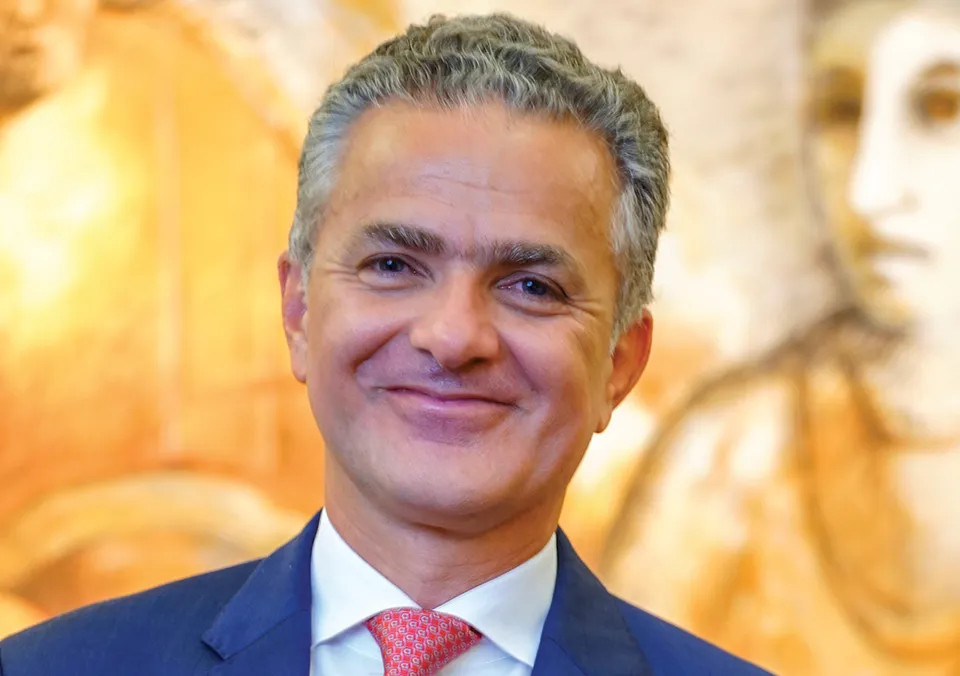
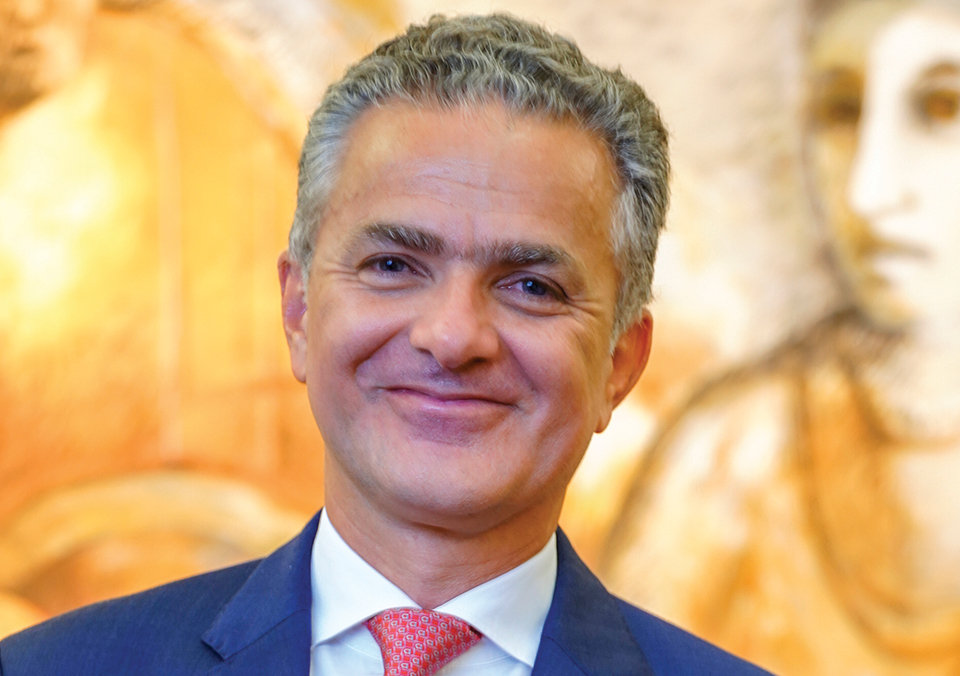
BAC’s separation has helped the bank develop an individual identity, strategy and management team, which is led by president and chief executive Rodolfo Tabash. Despite different national entities, BAC operates as one institution throughout the region. This allows it to share regional best practices and benefit from economies of scale.
This means improved services for larger central American companies and multinationals, as well as optimized single-jurisdiction products.
This combination of local execution and regional integration has been building up a head of steam in recent years. In 2021 the bank grew pre-tax profits by 32% over the previous year to $586.3 million, while net income reached $445 million – a compound annual growth rate of 9% over the 19 years of the bank’s history. Return on equity reached 16.2%, while return on assets hit 1.6%.
The scale the bank is building throughout the central American and Caribbean region is unrivalled – it had $28.1 billion in total loans and $21.8 billion in deposits at the end of 2021.
BAC’s regional leadership will be hard to challenge in the coming years, given that it remains the only bank to have a presence in the six countries that comprise central America.
It is the leader in some countries – its largest market share is in Nicaragua, where it has a 23.6% share in loans – and smaller in others (in Panama it has just 6% market share).
The bank actively manages its exposures to ensure that no country exceeds more than 27% of the total portfolio of either credits or deposits. There is further diversification via product type and between corporate and commercial lending.