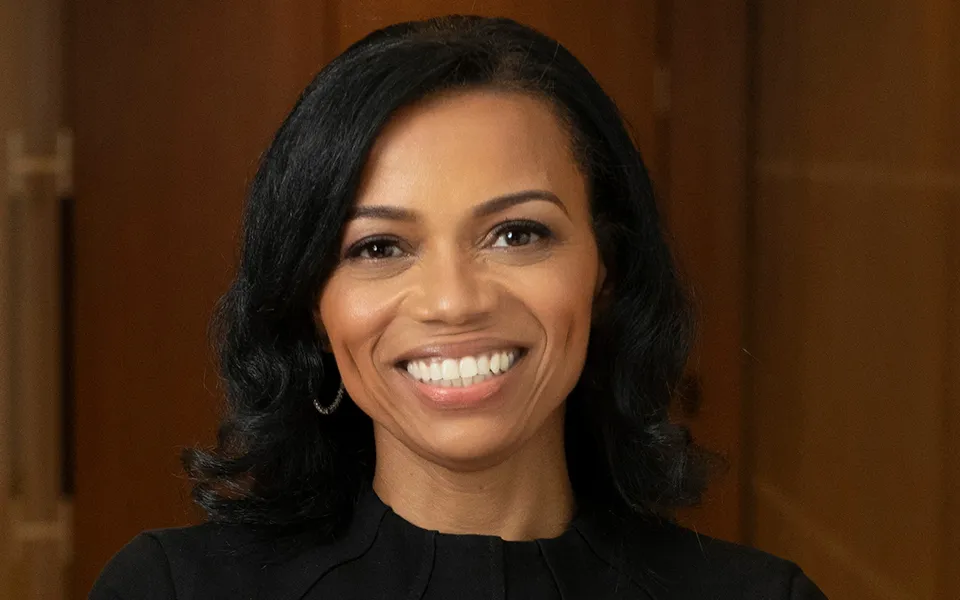

“Transparency is a central part of our ethos,” Erika Irish Brown, chief diversity, equity and inclusion officer and global head of talent at Citi, tells Euromoney.
“If you look at our Talent and Diversity Equity and Inclusion report, you will see that it is very, very detailed and very transparent. We are one of few major banks that publishes our diversity demographic numbers – and we do that globally, and have been doing so for years.”
Citi’s 2021 raw gap analysis shows that the median pay for women globally is 74% of the median for men, similar to 2020 and up from 73% in 2019 and 71% in 2018. The median pay for US minorities was more than 96% of the median for non-minorities, which is up from just under 94% in 2020, 94% in 2019 and 93% in 2018.
Shortlisted
- Akbank
- ING
“A continuation in the reduction of our raw pay gap requires that we increase representation of women and US minorities in senior roles across the firm,” says Irish Brown.
Of course, the bank’s appointment of Jane Fraser as chief executive – the first woman to lead one of the largest US financial institutions – helps the internal data and is a high-profile and transparent example of gender equality at the firm.
“Of course, Jane’s appointment to our leadership role was based on her accomplishments,” says Irish Brown. “But it’s also a result of everything that the firm does strategically around talent planning, succession planning and ensuring that we have the right people in the right roles and the right pipeline for leadership over time.
“I think that’s the more important point, but I certainly believe that when you have the leadership that we have in place, it shows that diversity, equity and inclusion is not just talk. We’re also walking the walk.”
As well as Fraser, Irish Brown points to the appointment of Titi Cole, chief executive of legacy franchises, to Citi’s executive management team – the first black woman to a senior management role.
Irish Brown says that Citi set an “aspirational goal” in 2018 of having 40% of employees at the assistant vice-president level and above as ‘gender diverse’ globally and that more than 8% of its workforce in the US were black employees.
Those targets have already been met, and the bank is setting even more ambitious goals for the coming years.
Internal transparency has also been key to achieving greater diversity by using scorecards linked to manager dashboards and manager-effectiveness indices, which are in turn linked to variable remuneration.
“We will continue to hold leaders accountable for the goals that we set for an inclusive work environment and for moving talent around the firm,” she says. “Upward mobility is important to us, maintaining external partnerships and relationships that can help us advance diversity, equity and inclusion; and not just within Citi but also for different groups of diverse people in the financial services industry and in the technology that supports these organizations.”
Citi’s progress on diversity has moved beyond gender and race, with sexual orientation and disability proactively engaged throughout the organization. The bank has received a perfect score on the Human Rights Campaign Foundation’s Corporate Equality Index (which benchmarks corporate policies and practices for LGBTQ+ workplace equality) for 17 consecutive years.
Irish Brown acknowledges the challenges of implementing diversity and inclusion policies globally “with external landscapes varying in different countries”, but she says that “within the four walls of Citi, we are consistent in terms of how we expect our employees to treat one another, what opportunities we expect all of our employees to have – and that’s a ‘must-do’, no matter where you are in the world.”
Openly sharing some of the best practices that are working is an important part of the ecosystem
Erika Irish Brown
The impact of greater diversity and inclusion is felt throughout Citi and, just as importantly, externally. Clients reported positive feedback from dealing with a bank that increasingly reflects their families, companies and communities.
“I think that’s an expectation from clients,” says Irish Brown. “A lot of our top clients have an equal commitment to diversity, equity and inclusion, and people like to do business with people whose firm’s values are aligned with their own. We share best practices with our clients, so that’s another opportunity to connect with clients through D&I.
“We’re not proprietary about the work that we’re doing in relation to diversity, equity and inclusion. Openly sharing some of the best practices that are working is an important part of the ecosystem.”
Meanwhile, Citi has yet to publish its more ambitious targets, but Irish Brown gives the impression that they are of secondary importance compared to a relentless drive to improve the processes themselves.
“We have a lot of work to do and a lot to look forward to,” she says. “And some of the rocks [ahead] are bigger than others, but we are walking down a path of continued commitment and we continue to raise the bar for ourselves when it comes to diversity, equity and inclusion.”


