Alternative asset managers – whether working for hedge funds or private equity – long ago replaced Wall Street bankers as the top earners in finance.
Now they are supplanting bankers in deploying their own money to ease a path to political office in the US.
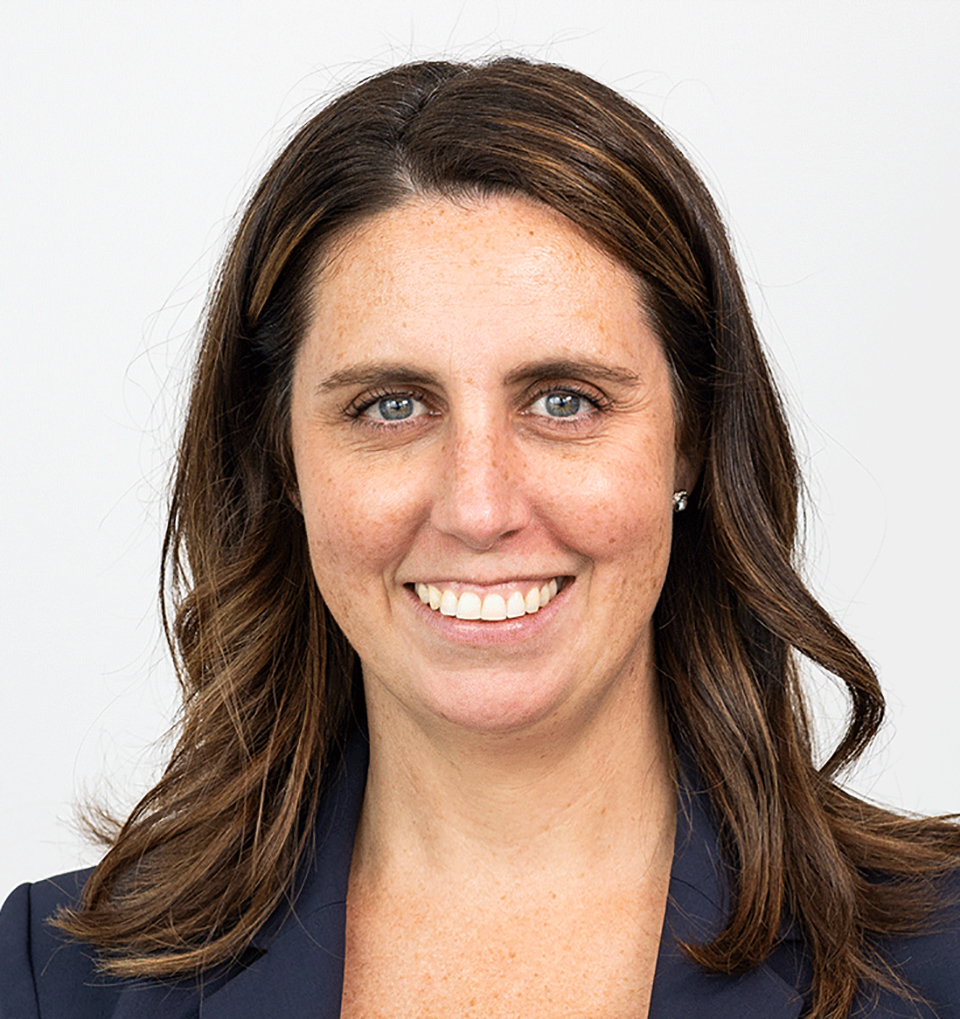
David McCormick, chief executive of hedge fund Bridgewater, is expected to mount a bid to win election as one of the two senators for Pennsylvania next year.

If he wins first the primary for the Republican nomination then the general election in November 2022, McCormick will join Glenn Youngkin, former chief executive of Carlyle, as an alternative asset manager who has made the transition to high political office in the US.
Youngkin defeated veteran Democratic political operative and incumbent governor of Virginia Terry McAuliffe in November, in an encouraging sign for other financiers looking to make a shift into politics.
This is a route taken more often in the past by bankers than asset managers. Former Goldman Sachs head Jon Corzine became a senator for New Jersey in 2000 (a year after he was forced out of Goldman by his fellow partners), helped by spending over $62 million of his own money, in what was at the time the most expensive senate race in US history.
Corzine later became governor of New Jersey, a position that is currently held by another former Goldman banker, Phil Murphy.
Re-election for Murphy – who like Corzine is a Democrat – in the recent November election cycle came after he was run unexpectedly close by Republican nominee Jack Ciattarelli.
Turbulence
The strong performance by Ciattarelli – an undistinguished veteran local politician – raised the question of whether or not a better funded Republican nominee might have won the race.
This is in turn improves the prospect of successful primary runs by financiers such as McCormick, who can promise to use their own wealth to fund their campaigns.
There is a long road from setting aside cash for campaign spending to actually winning office, of course.
McCormick has run into political turbulence before even formally announcing his expected candidacy.
The firm’s nickname of Government Sachs does not have to be retired for now
His boss at Bridgewater, founder and chairman Ray Dalio, is making his own late career shift in emphasis by trying to position himself as a thinker and historian, rather than just a fund manager.
Dalio has the luxury of being able to spend as much as he wishes to promote his lengthy discourses on world history, and his role as one of the most important fee payers to Wall Street banks has helped to ensure that he gets positive reviews from bankers.
A higher public profile has come with some missteps for Dalio, however, such as a recent appearance on CNBC when a question about human rights abuses in China led him to compare the country to “a strict parent”.
This was followed by multiple reports that McCormick had criticized Dalio to other Bridgewater staff – media coverage that could help McCormick to fend off accusations from potential Republican primary rivals in Pennsylvania that he is soft on China.
Connections
While alternative asset managers, with their greater wealth, may be supplanting bankers as the financiers most likely to win political office in the US, long-established connections to Wall Street banks are not being severed.
McCormick is married to Dina Powell McCormick, who has returned to Goldman as global head of sustainability and inclusive growth, after serving in Donald Trump’s administration.
So, the firm’s nickname of Government Sachs does not have to be retired for now.
And if McCormick does manage to win election as the junior senator for Pennsylvania, he will succeed Pat Toomey, a former banker at Chemical, one of the predecessor firms of the modern JPMorgan.
Toomey is the current ranking Republican member of the senate banking committee and has been a committed supporter of Wall Street interests during his political career, including helping to resist increased regulation for derivatives.
McCormick can be expected to follow in this tradition if he wins election.