
In 2021, Citi’s top management has focused on complying with regulatory consent orders to make its risk management systems and data controls fit for purpose.
Failure to address shortcomings that regulators had consistently warned about led to the departure of chief executive Michael Corbat in February. His replacement, Jane Fraser, may have found appetite and capital to invest in growing revenues: hiring 500 wealth managers mainly in Asia, for example, and 200 investment bankers to profit from the boom in M&A. But she makes it clear that nothing is more important than the successful execution of what the bank calls its transformation programme.
“It is our number one priority,” Fraser told analysts on the third-quarter earnings call. “We want to make sure the bank is modernized in its risk and control environment.”
Some 3,000 people are working on the consent orders, which also span data management, finance and compliance. This effort boosted group expenses by 3% during the first nine months of 2021 compared with 2020, with business investments contributing another 2% to cost growth.

Overall group revenues fell by 1%. So, it’s just as well that investment banking has performed better than expected, with revenues 6% ahead of 2020 over the first nine months of 2021.
However, the biggest story at Citi, as at most banks, is what didn’t happen in 2021.
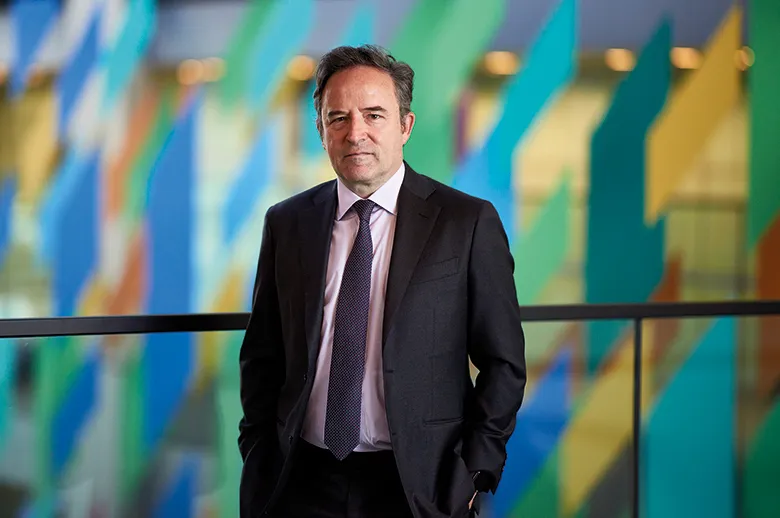
“The most remarkable thing has been the recovery of all the credit reserves we had to take in 2020,” says Paco Ybarra, chief executive of the Institutional Clients Group. “The world has come through the pandemic without experiencing the expected credit losses, and that has benefited everyone long of credit, including the banks. Following our own accounting rules, we had to bring back those reserves, and that has been a big tailwind.”
ICG accounted for 70% of group profits through the first three quarters.
“We have also had a very significant amount of capital markets activity,” Ybarra says. “In the first year of the pandemic, it was almost entirely fixed income and debt capital markets as clients accumulated cash. In 2021, equity and M&A was the story, including Spacs [Special purpose acquisition companies] at the start of the year, with significantly less going on in loans.”
As well as transformation, Fraser also talks about a strategic refresh, which looks like a return to the focus Vikram Pandit first imposed in 2009 on doing more with fewer clients.
There is no difference between what regulators are asking us to do and what we need to do on data and controls so that we can grow our business further
Paco Ybarra
“What Jane has done is concentrate on the core businesses,” Ybarra says. “We did a lot of that coming out of the financial crisis, and we are now coming to the last chapters of that story, exiting some of the international consumer franchises and investing in core areas, such as wealth and services, with greater growth potential and where the bank has clear strengths.”
The bank has also invested heavily in technology.
Ybarra says: “The essence of that is we have to improve our underlying infrastructure. There has been a significant jump in adoption of digital channels, and that requires a systems infrastructure that is better able to handle very high volumes, sometimes of smaller-sized transactions, that is always on and can process huge amounts of data.”
This takes him back to the consent orders.
“It is a perfect time to fix things fundamentally that always needed fixing but maybe there wasn’t the consensus or resources to address,” Ybarra says. “There is no difference between what regulators are asking us to do and what we need to do on data and controls so that we can grow our business further.”
He emphasizes: “This is not a distraction.”