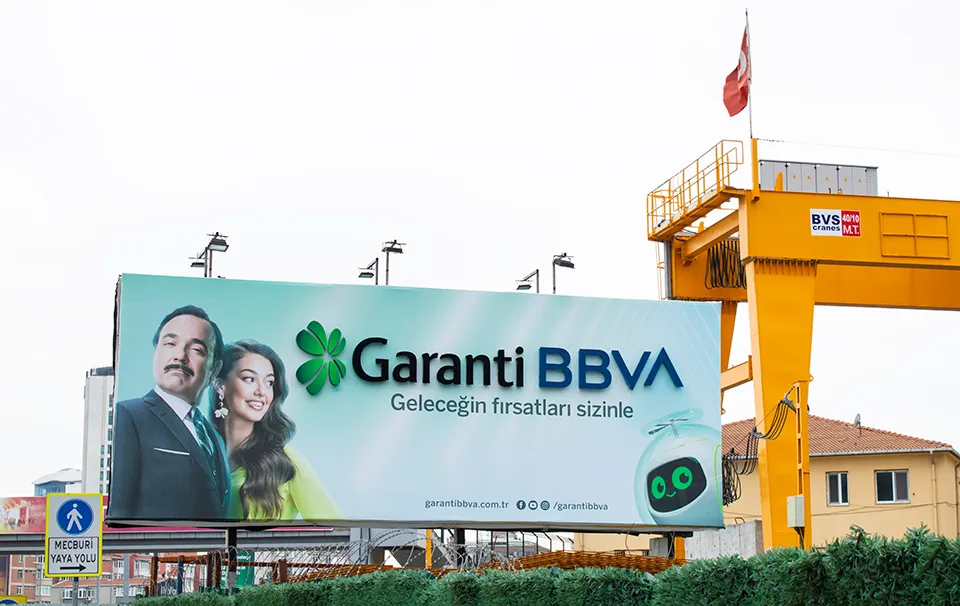
Investors are alarmed at BBVA’s decision to double down on Turkey. The Spanish bank’s share price closed down 4% on November 15, when it announced it was launching a voluntary takeover bid for the 50.12% share it does not own in BBVA Garanti, Turkey’s biggest bank by market capitalization.
President Erdogan Tayyip Erdogan’s recent intervention at the central bank – and the attendant erosion of monetary stability – is obviously not a comfort. The lira has just hit yet another record low. Inflation is approaching 20%.
The Spanish bank could be getting a very good deal
Meanwhile, BBVA previously downplayed the prospects of a takeover bid for Garanti as a means to deploy $11.6 billion in cash it gained from selling BBVA USA to PNC in 2020.
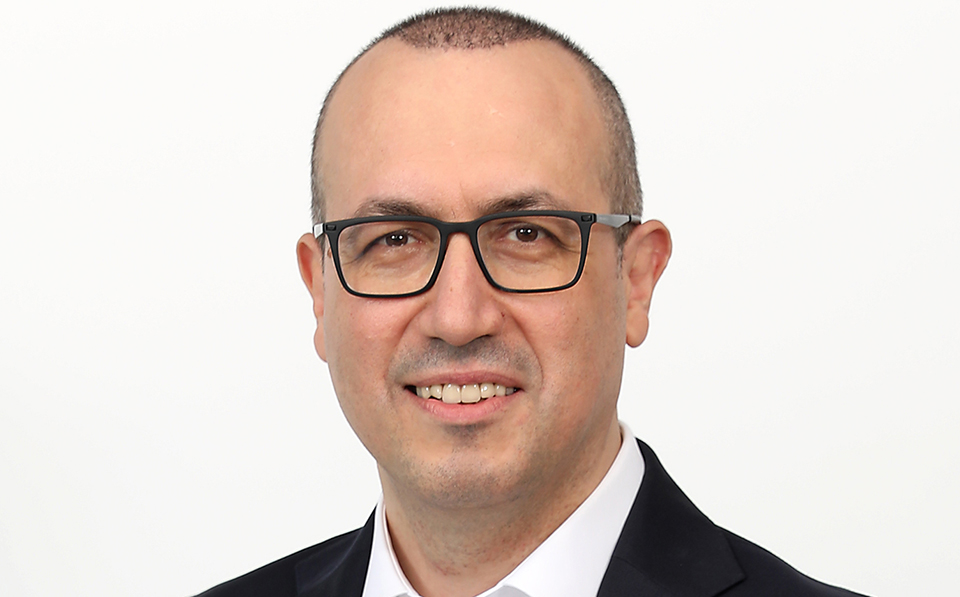
No doubt BBVA’s chief executive Onur Genç has a better appreciation of the true picture in the country, given that he is Turkish, unlike executive chairman Carlos Torres Vila or indeed most BBVA shareholders. And if BBVA is launching this bid at a low ebb for Turkey – with Garanti trading at a 30% discount to book value – the Spanish bank could be getting a very good deal.
Factors
It is obviously a big bet. But there was never any suggestion of BBVA selling out of Turkey, even if the logic of a Spanish bank owning a leading Turkish bank is clearly not as strong as that of owning a big one in Mexico.
And there is a mitigating factor, because while it owns slightly less than a majority of Garanti, BBVA must allocate capital for 65% of the risk-weighted assets. As a result, if all other shareholders accept this offer, they will receive about €2.2 billion, and the cost to BBVA’s capital ratio will only be €1.4 billion.
More importantly, emerging market-style macroeconomic volatility does not automatically translate to bad business for banks – if they are well-managed. BBVA knows that well enough from Mexico, a country with an economy similar to Turkey’s, albeit one overseen in a more orthodox fashion. BBVA owns Mexico’s largest lender, Bancomer.
In truth, there are still limited synergies to be gained from Garanti and the rest of BBVA, including Bancomer. However, Garanti’s profitability has been consistently high, especially by European standards, despite the persistent economic crisis in Turkey.
Compare Garanti’s return on equity in the first nine months of 2021 – 19%, a normal figure for the bank – with the meagre single-digit returns usually generated by banks in southern Europe. Even in euro terms, Garanti’s pre-provision profit has hovered between €2 billion and €2.5 billion since 2013. Currency pressures, it seems, are in part getting passed onto customers.
Risk and reward
That makes the argument that it is safer to invest more in developed markets questionable. Indeed, such an argument would be especially spurious if it implied that it would be better instead to rush into eurozone consolidation. After the PNC deal, BBVA briefly considered a purchase of mid-tier Spanish lender Banco Sabadell.
If the last decade has shown anything it is that southern eurozone banks are high risk and low reward. Buying them has often required a level of state support that is more difficult to attain now.