The use of Instagram to promote FX trading as a way of making a quick buck might just be one of the most bizarre pandemic trends.
Companies marketing the prospect of becoming ‘financially free’ are charging prospective traders hundreds of pounds a month for access to educational materials and mentoring.
Promises of serious returns are backed up by social media posts of FX influencers driving expensive cars or taking luxury holidays.
The Advertising Standards Authority recently banned a post from a reality TV star promoting an FX tip service that promised massive profits because she failed to disclose that it was paid for, but it appears that the message is still getting through.
Investment Trends’ 2021 UK Leverage Trading Report shows that the number of people in the UK trading FX increased by 23% between May 2020 and May 2021, with 34,000 trading for the first time.
Other markets appear to be going in a similar direction, with a survey by trading portal Forex Suggest indicating that the average African FX brokerage saw trading volumes rise by more than 20% last year, for example.
Yet research conducted by Compare Forex Brokers across 35 brokerages shows that more than 70% of retail traders lost money when trading FX in July 2021. So why do so many individuals think they can make money from trading FX despite in most cases having no previous trading experience?
There is no doubt that spending more time at home under lockdown has played a part, as have advances in technology that make retail trading more accessible. According to Brendan Callan, CEO of FXCM, growth has also been driven by the availability of new products and the ability to make trades in smaller sizes.

Others agree. “Many FX providers around the world offer individuals accounts for as little as $500 and access to large amounts of leverage in a market that can be very volatile,” says Steve Sanders, executive vice-president of marketing and product development at Interactive Brokers. “Traders often view this as a fun opportunity to play with leverage, although those who haven’t done their homework may quickly crash and burn.”
Adam Button, chief currency analyst at ForexLive, offers a more prosaic explanation, suggesting that hindsight bias is the main reason for over-confidence.
“Almost everyone has some exposure to or knowledge of the currency market and has seen large moves unfold over time,” he says. “With the benefit of hindsight, market moves often look predictable and people tend to best remember the times when they felt strongly about something before it happened.”
Naeem Aslam, chief market analyst at AvaTrade, adds the low interest-rate environment to the mix, suggesting it has fostered demand for more exciting ways to increase the value of savings. The typical new retail trader is someone under 30 who has saved up some spare money to invest in trading.

FxPro senior financial analyst Alex Kuptsikevich says: “Among traders with long trading history, leverage rarely exceeds 1:30 and is used for trades lasting weeks rather than minutes.”
Pepperstone has seen a sharp rise in traders scalping, or at least day trading, off far shorter timeframes, with the firm’s head of research Chris Weston noting that median hold times have dropped closer to one hour.
“Whether traders are using momentum, mean reversion or swing strategies, they want the right level of volatility, range, liquidity and low cost,” he says. “We have also seen an evolution in traders automating strategies and this is only going one way.”
Systematic strategies accounted for nearly 40% of the firm’s volumes in July.
“We see a skew towards mean reversion, which is perhaps fitting because FX is a classic mean-reverting market, but while in the equity world buying strength (selling weakness) has worked best in recent times, we tend to see a propensity for retail FX traders to do the opposite on lower timeframes,” adds Weston.
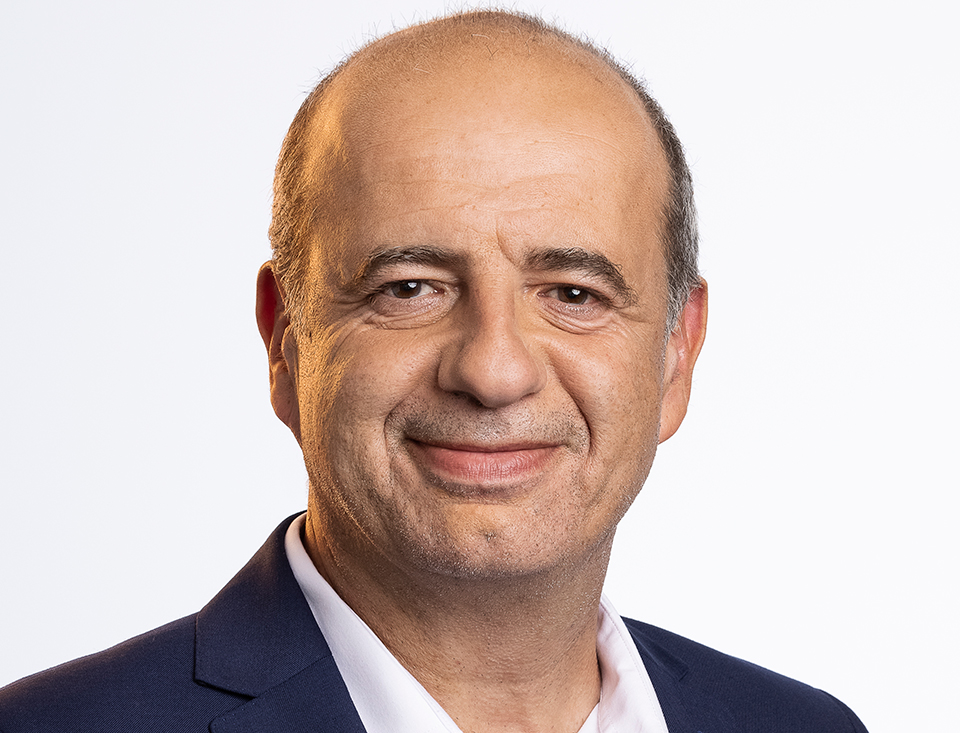
In contrast, Muamar Behnam, head of global sales at Swissquote, refers to growth in “buy and hold” traders adopting mid-to-long-term strategies, because they have a clear opinion on where the market is going.
“We see a shift of day traders to more speculative type of investment vehicles, such as cryptocurrencies,” he says.
Filip Kaczmarzyk, head of the trading department at XTB, reckons the boom in retail FX trading is sustainable, a view shared by FXCM’s Callan, even though he acknowledges that there may be a temporary dip in trading activity as we move towards an in-office or hybrid working environment.
ForexLive’s Button is even more bullish, suggesting that the retail FX trading market is in more of an ebb than a boom. “Once we see long-term trending moves in FX, interest will escalate,” he concludes.