A strong hold on the foreign currency and fixed income markets in countries such as Nigeria and Kenya proved a vital asset for Standard Bank over the last 12 months, as South Africa suffered particularly damaging Covid-19 lockdowns. Largely because of this regional investment banking structure, coupled with provisioning for credit losses in South Africa, the group made almost twice as much money in the rest of Africa as it did in South Africa in 2020 – highlighting how much Standard Bank is now a pan-African play for investors.
Global banks remain strong competitors to local and regional firms like Standard Bank in the international debt capital markets and in big M&A deals. But in a year more dominated by bond than equity issuance, and when local currencies have been under pressure, hard currency funding has appeared less attractive to corporate treasurers, including some of those at multinationals seeking to fund African operations.
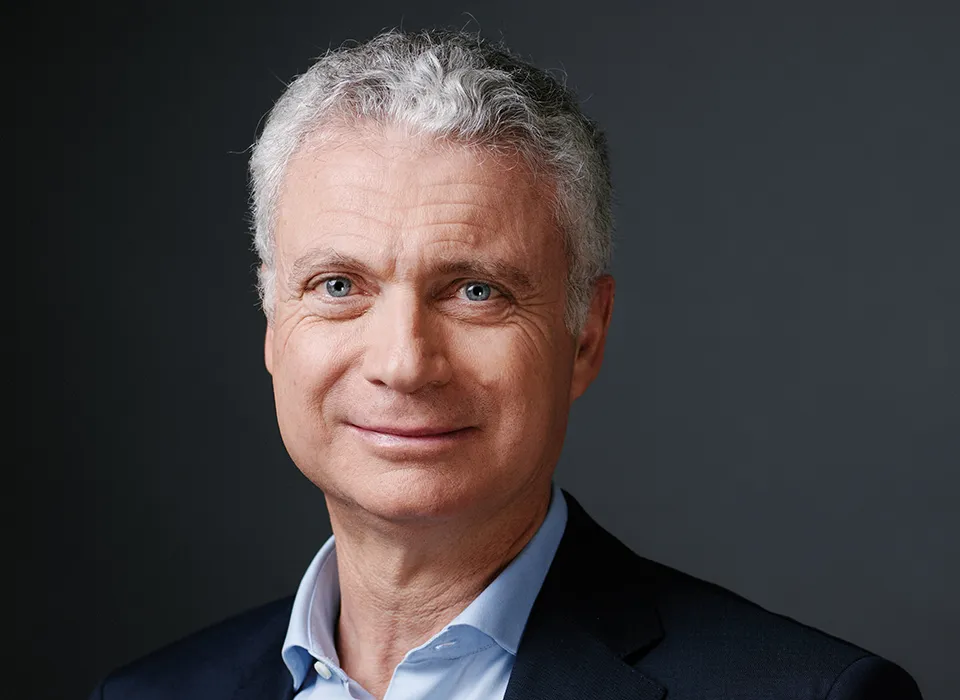
“That plays to our strengths, as we have a strong local currency liability gathering capability,” notes Kenny Fihla, Standard Bank’s chief executive for wholesale clients.
This capability is evident in the multiple local currency bond deals on which Stanbic IBTC acted as lead issuing house in Nigeria, including groundbreaking issuance for Dangote Cement. It also structured a ZK95.5 million ($4.23 million) loan for Zambian property developer Forli Limited, hedging currency risk and settling dollar borrowing taken out to construct a shopping mall, then extending the benefits to its tenants.
The unusual depth of Standard Bank’s onshore capabilities in Africa is also evident in M&A, notably in Kenya, where Stanbic Bank Kenya advised Equity Bank on its $95 million purchase of Banque Commerciale du Congo.
In South Africa, where international banks retain a bigger presence, Standard Bank’s hold remains strong. Its deals there included a R1.2 billion ($84 million) rights offer for City Lodge Hotels and a R2.7 billion bond for MTN, a deal that helped reinvigorate the local market after the initial Covid-19 shock. It was also behind numerous green and sustainable financings in its home market.