
UBS performed strongly again in Euromoney’s global private banking and wealth management survey in 2021. It topped the western Europe regional rankings for: best private banking services overall; serving mega high net-worth clients worth more than $250 million; family offices; business owners; and high net-worth clients with $5 million to $30 million to invest.
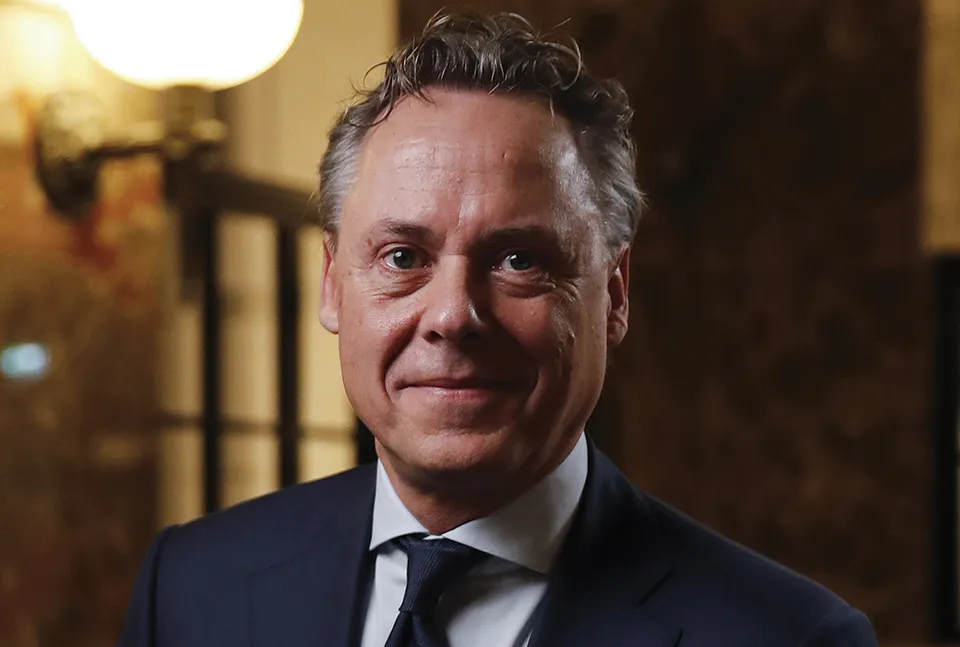
UBS, under new chief executive Ralph Hamers, remains western Europe’s best bank for wealth management.
This is a largely domestic, onshore business with offices in Denmark, France, Germany, Italy, Luxembourg, Monaco, Spain, Sweden and the UK and Jersey.
Covid lockdowns disrupted the usual meetings with clients, but Christl Novakovic, chief executive of UBS Europe SE and head of wealth management Europe, is pleased with how resilient the business was. “Our numbers went up significantly, notably in mandate penetration and even though there was a small slowdown in net new client growth, we still managed to acquire new clients who have never met our advisers face to face. That is remarkable and I am really proud of what my team has achieved in this tough environment.”

Clearly brand strength came through, although Novakovic sees more than this. “When you have a strong brand it’s easier to take in net new money. But clients did more than park cash with us. Most of them invested in discretionary mandate solutions and in addition we tripled the volume in our sustainable investment product shelf,” she says,
The now much-copied Chief Investment Office (CIO) remains a differentiator for UBS. It invited clients to hear firsthand in webinars from leading global virologists on the likely impact of the pandemic.
UBS also introduced Manage Advanced [MyWay], which combines discretionary mandate features and clients’ individual investment preferences into a mandate that is still CIO guided, continuously supervised and rebalanced. Clients can choose from 50 investment modules across asset classes, regions and themes.
Lending is a big part of private banking these days. While some private banks grew understandably nervous during the lockdowns about balance sheet usage, UBS took advantage of the strong capital position it has built since 2012. It increased credit lines to certain long-term relationship clients and grew lending, allowing entrepreneurs the liquidity to seize opportunities.