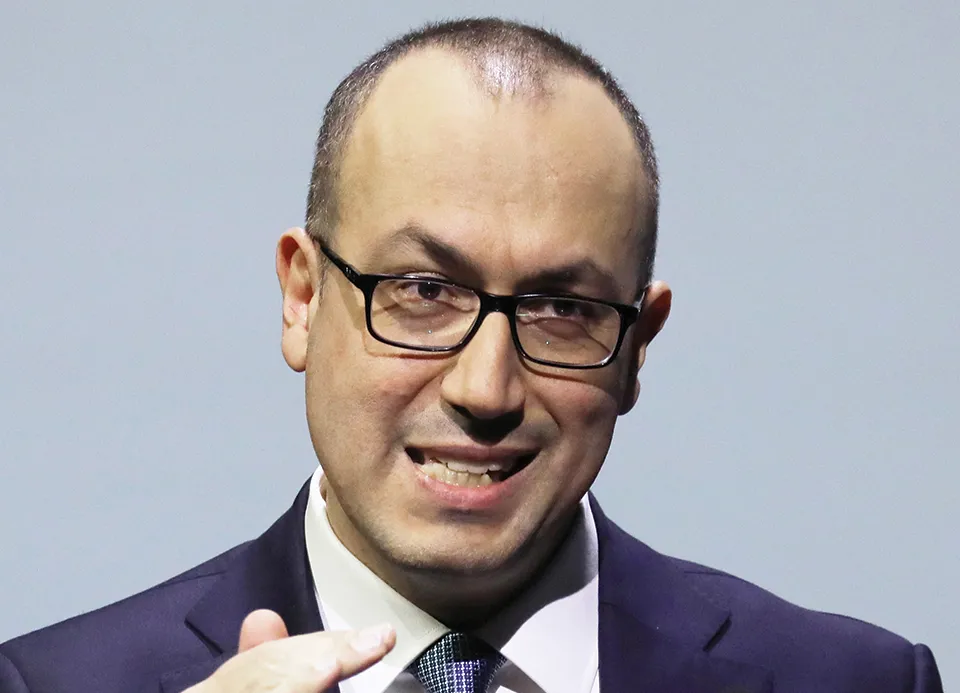

Covid has, unsurprisingly, dominated the corporate responsibility agenda at banks across Europe. A key determinant in this category was the effectiveness with which firms addressed the acute challenges that many of their clients have faced, from the initial healthcare emergency to longer-term financial distress. BBVA stepped up to the task promptly and at scale and takes the regional award this year.
The bank launched its Covid-19 Social Response Plan in 2020 with €35.7 million to purchase medical equipment and support public health systems. There were three lines of action: supporting health authorities, contributing to social organizations and promoting scientific research. A total of 839,773 people – 24% of the plan’s beneficiaries – benefited from the medical equipment and supplies provided to hospitals and a further 11% of the funds were geared toward helping vulnerable groups. In the early stages of the emergency BBVA secured 2,813 ventilators, 5,000 flow valve masks, 400 oxygenators and 400,000 face masks from China.
Over 2.6 million people have received support from the 472 organizations with which the bank has collaborated, including the Spanish Red Cross. It also helped to fund research into Covid-19 and directly benefited 226 scientists and researchers studying the disease. Additionally, the BBVA Foundation supported 20 scientific research projects in the fields of biomedicine, big data, ecology, veterinary medicine, economics and social sciences, and the humanities.
It hasn’t all been about healthcare, however. BBVA also rolled out a series of initiatives with a focus on companies, SMEs and the self-employed, involving mortgage and loan deferrals worth a total of €38 billion and financing through government-backed programmes to the tune of €25 billion. The bank also supported its closest suppliers with protection schemes for employees and companies, and with the early payment of invoices.
BBVA also runs an impressive programme of financial education initiatives, which has mobilized €2.15 billion for financial inclusion and entrepreneurship. Its Global Financial Education Plan was first launched in 2008 and since then it has invested €91.4 million in programmes that have helped 29.2 million people – €2.7 million of which was allocated in 2020. The group, whose CEO is Onur Genç, has also adopted a general policy on sustainability and in 2020 BBVA was ranked first among European banks in the Dow Jones Sustainability Index and ranked second worldwide. Its score in the Bloomberg Gender Equality Index has improved from 72.32 to 77.29 over the last four years.
The Spanish bank is also active in promoting the sustainable development of vulnerable entrepreneurs in five Latin American countries through its BBVA Microfinance Foundation (BBVAMF). In 2020, BBVAMF disbursed $1 billion via 764,669 credits (the average credit was $1,380) through this programme. It also trained 396,601 people in financial and technical skills. Since its creation in 2007, the foundation has originated more than $15.5 billion in loans to low-income entrepreneurs.