COUNTRY INDEX

|
ANGOLA |
|
Best Bank: Banco Angolano de Investimentos |
|
It was a good year for Angola’s best bank. Banco Angolano de Investimentos (BAI) posted a 27% rise in net interest income in 2020 to NKz132 billion ($204 million), with net profit coming in at NKz29 billion, aided by a conservative approach to risk management. Strength and stability matter in tough times and the fact that deposits rose 18% to NKz2.7 trillion underlines BAI’s reputation for standing tall in a crisis.
This performance must be put in context. Angola suffered a torrid year. The economy shrank 4% in 2020 – the fifth successive year of contraction – and in September the sovereign was downgraded by Fitch Ratings to CCC from B-.
Yet BAI found ways to grow while keeping costs under control. Its cost-to-income ratio jumped from 21.5% in March 2020 to 36.9% in December but plateaued over the next three months and remains low in a regional context. Its capital adequacy ratio was 17% at the end of 2020, unchanged from a year earlier.
BAI’s ability to help others while planning for the future also stood out. The bank donated 5,000 Covid-19 tests to the health ministry and set aside $16 million, or 35% of 2020 net income, to help combat coronavirus. It also rolled out Adianta Ja, a new digital service that allows retail customers to apply for and secure a loan in less than five minutes.

|
COTE D’IVOIRE |
[index] |
|
|
Best Bank: Société Générale Côte d’Ivoire |
|||
Société Générale Côte d’Ivoire is the jewel in the crown of the French bank’s sub-Saharan African network. It’s one of only three countries in Africa where the bank occupies the top spot in terms of market share in lending. It’s also the biggest economy in Francophone west Africa and something of a financial and business hub for the region – home, for example, to the African Development Bank.
Côte d’Ivoire is also home to some regional commercial banks of importance, of which NSIA made some important strides over the year – notably its takeover of the local subsidiary of Nigeria’s Diamond Bank. NSIA has gained funding from international development finance institutions including the International Financial Corporation (IFC) and France’s Proparco. However, compared to other Ivorian banks, it saw a sharp decline in net income over the year.
This was not the case at Société Générale Côte d’Ivoire, by far the country’s biggest bank by assets. Its deposits surged by 18.5% over the period while net banking income rose 9% to an equivalent of €240 million. Its return on equity was a healthy 19%. Société Générale Côte d’Ivoire is also benefiting from the group-wide roll-out of products across Africa, notably in cash management and mobile banking.

|
DR CONGO |
[index] |
|
|
Best Bank: Rawbank |
|||
Africa’s second largest country is also one of its most chronically unstable. But there are pockets of stability. Rawbank remains a steadfast part of the financial furniture, posting a pre-tax profit of $41.1 million in 2020, against $10 million a year earlier. Total assets rose 35% year on year to $2.88 billion.
There are challenges, as you would expect. Its cost-to-income ratio is on the high side at 79.3% at the end of 2020, against 80.7% 12 months earlier.
But despite the pandemic, Rawbank continues to unveil new services. During the awards period, it launched Maximus Titanium, a new credit card tailored to small and medium-sized enterprises; and it adapted to the challenges of Covid by granting customers a moratorium on loan repayments. It also revamped Illico Cash, a digital application that allows customers to send and transfer money, top up a mobile account and pay utilities online.

|
GHANA |
[index] |
|
|
Best Bank: Ecobank Ghana |
|||
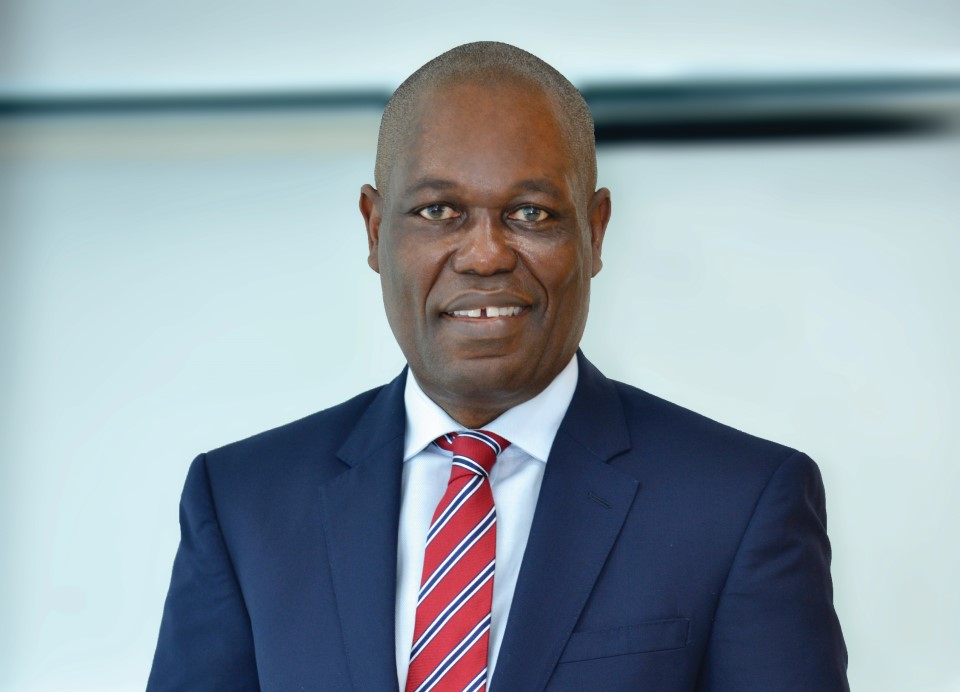
Under chief executive Ade Ayeyemi, the Ecobank group has spent about $400 million modernizing its technology since 2016. Last year it launched its Rapidtransfer International app in Paris to cater to the cross-border remittance market from Europe. It also signed a remittance agreement with China’s Ant Financial, operator of Alipay, extending Rapidtransfer’s reach to China.
It launched a fintech sandbox, opening access to Ecobank’s application programming interfaces, and launched Ecobank Marketplace, which allows micro-SMEs to use services such as Flutterwave, DPO and iPay.
Group-wide initiatives such as this have helped Ecobank Ghana gain a reputation as the most forward-looking of the big Ghanaian banks. Indeed, Ghana is now the major African economy in which Ecobank has the best hold. It is the country’s biggest bank, with assets rising to C16 billion ($2.75 billion) at the end of the first quarter of 2021 and customer deposits rising 17% to C12 billion.
Ecobank Ghana’s profit before tax increased by 22% year on year in 2020 to C782 million and that rise continued in the first quarter of 2021. A sustainable return on equity of 26.5%, according to Renaissance Capital, puts its profitability well ahead of its main competitors in the country.

|
KENYA |
[index] |
|
|
Best Bank: Kenya Commercial Bank |
|||
|
Best Investment Bank: Stanbic Bank Kenya |
|||
It has been an eventful past year for Kenya Commercial Bank (KCB). In November it signed a definitive agreement with Atlas Mara for the acquisition of a 62% stake in Banque Populaire du Rwanda and a 100% stake in African Banking Corporation Tanzania. That deal sees KCB strengthen its regional spread across the East African Community, notably in Rwanda, where it already had its strongest position outside Kenya and where it is buying the second biggest bank.
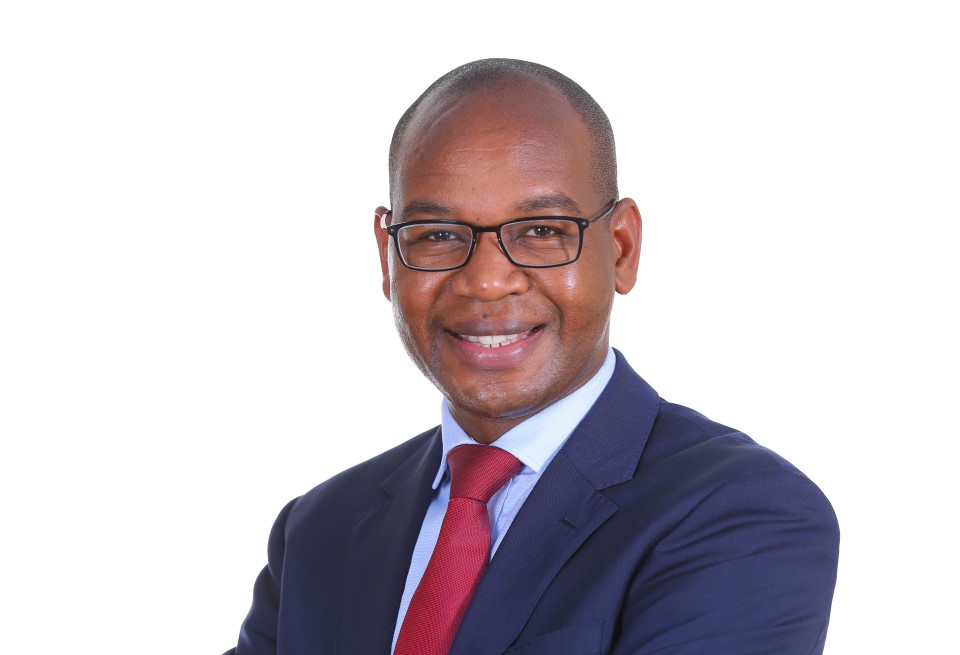
The bank, led by chief executive Joshua Oigara, also embarked on an ambitious rollout of KCB Vooma, its new mobile wallet housing all KCB’s mobile lending and payment products. Vooma has a capacity for over 2,000 transactions per second against what the bank says is an industry average of 100. This digital push also included launching cash flow-based weekly loans for retailers to purchase new inventory and maintain operations, using distributors’ historical data to score creditworthiness.
In March this year KCB sourced $150 million for green projects and SME lending, especially that aimed at female entrepreneurs, bolstering its funding base after it continued its loan book expansion in 2020 despite the Covid-19 crisis.
KCB’s return on equity was a healthy 14.4% in 2020 and it had a slightly lower cost of risk than main rival Equity Bank, inspiring more confidence about its asset quality as the impact of Covid-19 continues to unfold in 2021, according to Renaissance Capital, which upgraded the stock to a buy in March.
Kenya is a vital part of the pan-African corporate and investment banking business at Standard Bank, whether it’s arranging complex financings in local and hard currency, acting as a foreign currency and interest rate hedge provider or advising on M&A deals.
Standard Bank’s local subsidiary Stanbic Bank Kenya acted as mandated lead arranger, bookrunner, documentation bank, hedge provider, account bank and facility agent in a €58 million transaction, including subordinated debt, for Gulf Power during the awards period, which was structured as a non-recourse project financing. Stanbic acted in a similar capacity on a similarly structured $27 million deal for Iberafrica Power. Other financing deals included arranging a KSh5 billion ($46.4 million) club transaction for UAP in the insurance sector.
On the M&A side, it advised Equity Bank on its $95 million purchase of Banque Commerciale du Congo. It also advised Jubilee Holdings on a long-term strategic partnership across east Africa with a subsidiary of Germany’s Allianz.

|
MAURITIUS |
[index] |
|
|
Best Bank: Mauritius Commercial Bank |
|||
It was one of those years where the best banks stand taller than their peers and Mauritius Commercial Bank (MCB) did just that. It remains one of just a handful of sub-Saharan African lenders to be rated investment grade despite the demands of one of the toughest years on record.
Net profit fell 15.5% year on year in 2020 to $185 million, but most of the other metrics moved in the right direction. Operating income rose 9.6% to $482 million in the fiscal year to the end of June 2020, with net interest income up 9.9% to $337 million.
MCB’s underlying strength was underlined by its return on equity (13.9%) and assets (1.5%), as well as its tier-1 capital adequacy ratio (15.3%) at the end of 2020. It bolstered its status as a leader in digital, with the number of subscribers to its JuiceByMCB application rising 75,000 over the course of the awards period to 381,000.
It also revamped its mortgage and private banking businesses and launched a new mobile banking service catering to SMEs. MCB’s network of correspondent banks now stands at 480, of which 130 are in Africa. In July 2020 it drew on a $100 million facility arranged by MUFG Securities, to help realize its long-term ambitions at home and across the region.

|
MOROCCO |
[index] |
|
|
Best Bank: Attijariwafa Bank |
|||
Donations to Morocco’s Covid-19 response and a much higher cost of risk weighed down net profit among the country’s banks in 2020. Even so, Attijariwafa Bank, the country’s biggest lender, saw net banking income rise by 1.6% to Dh24 billion ($2.7 billion), driven by an increase in the net interest margin. Its efficiency ratio declined to 46.5%.
Under chief executive Mohamed El Kettani, Attijariwafa has distributed more than Dh40 billion additional loans since the beginning of the crisis, including support to almost 70,000 companies – mainly SMEs. It provided a bulwark to the state’s Oxygene and Relance Covid-19 schemes for businesses, as well as the Intelaka programme for young entrepreneurs. Atijariwafa’s share of all three schemes is above 30%.
The year saw the launch of two new digital portals by the Moroccan lender, Attijari CIB and Attijari Enterprises, with the aim of smoothing the user experience and adding functionality in cash management, trade, foreign currency, documentation and custody. On the retail side, its subsidiary Wafacash launched Jibi, which the bank describes as the first mobile payment account in Morocco allowing unbanked people to make payments via their smartphone.

|
Best Bank: Millennium bim |
|
Best Investment Bank: Standard Bank Mozambique |
Mozambique’s biggest bank is also its best. It was a challenging year for Millennium bim, which saw net interest income fall 7% year on year to $169.8 million, with net income down by a quarter at $77 million. But relative to its peers it did well and promises to emerge largely unscathed from the pandemic. Its returns on equity (14.5%) and assets (3.1%) at the end of 2020, although down on the previous year, remain strong. Its non-performing loan ratio actually fell last year to 6.3%, from 8.4% in 2019.
What stands out at the bank, other than its size (it boasts a quarter of all deposits and 1.75 million customers), is its ability to innovate and roll out new services even at a time of crisis. In the year to the end of March 2021 it revamped its corporate portal to make navigation better and faster, and upgraded its mobile banking application, Smart IZI, to let customers transfer money to a host of international and domestic e-money accounts.
In January 2021 it launched Pay IZI, a new app that acts as a mobile point of sale, accepting payments from bank customers and users of mobile money transfer service M-Pesa.
Despite the many challenges facing Mozambique over the past year, from Covid to currency issues and local unrest, Standard Bank Mozambique stood out as the country’s best investment bank. In fact, the powerhouse investment bank was the only financial institution in Mozambique to complete a debt capital markets deal in the calendar year 2020.
Standout deals included a seven-year $60 million hybrid facility – a corporate loan with project finance characteristics – for state-run transport firm Caminhos de Ferro de Moçambique, to upgrade the Machipanda rail line. Standard Bank also acted as sole mandated lead arranger and lender on a one-year $80 million inventory-backed facility for Distribuidora Nacional de Açúcar, a sugar producer that acts as a crucial generator of jobs and foreign currency.
Another key moment for the team was the completion of an $8.23 million private placement for local firm Bayport. The deal, a private placement of unsecured fixed and floating rate notes, was 1.5 times subscribed and a crucial shot in the arm for a micro-finance institution that extends payroll loans to state employees and which counts among its clients, thousands of teachers and health workers, many based in rural areas.

|
NIGERIA |
[index] |
|
|
Best Bank: Guaranty Trust Bank |
|||
|
Best Investment Bank: Stanbic IBTC Capital |
|||
A return on equity of 26.8% in 2020 sounds high even by African standards, even though, according to Renaissance Capital, Nigerian banks’ costs of equity are in the early and even mid-twenties. However, a relatively low cost of equity (22%) is mark of the trust that investors place in Guaranty Trust Bank (GTB), compared with its peers, of which it has been the only one trading above book value.
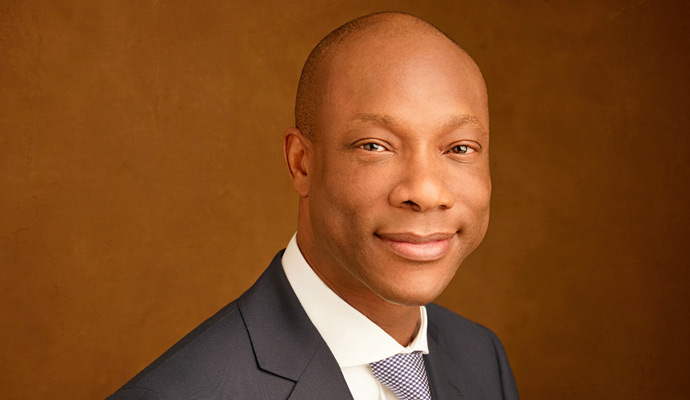
GTB’s sustainable return on equity, according to Renaissance Capital, is about 25% when all the other big Nigerian banks will barely make 20%. Although it must be said that all Nigerian banks have more to do in terms of lending to the real economy, GTB also has one of the lowest non-performing loan ratios (6%) among Nigerian banks.
Even in as difficult year as 2020, GTB’s cost-to-income ratio was just 38%. This is the result of what chief executive Segun Agbage sees as a more focused and efficient approach, which he thinks will bring about greater scale. Indeed, the bank added more than a million customers over the year. Agbaje believes the bank can reach 50 million customers – about twice its number today – within five years and do this without undertaking an acquisition.
Investment banking in Nigeria is a highly competitive sector. Chapel Hill Denham is the leader in advisory. But the scale and breadth of debt and equity capital markets work at Stanbic IBTC Capital gives it the edge in the award for Nigeria’s best investment bank this year.
Among numerous naira bond deals in the financial, energy, food and beverage sectors, Standard Bank was lead issuing house in Dangote Cement’s N100 billion ($243 million) debut bond under a N300 billion programme. The deal was groundbreaking for its size and also for its timing, coming shortly after the arrival of the Covid-19 crisis in April. Stanbic IBTC was also lead issuing house in BUA Cement’s N115 billion bond in January, part of a N200 billion programme.
In equity capital markets, where activity was thin, Stanbic IBTC acted as sole issuing house on rights issues by UPDC in the real estate sector and AIICO in insurance, for N16 billion and N4 billion respectively. It was mandated lead arranger in a landmark $3 billion syndicated financing for Nigeria LNG Limited and advised on a $4 million merger between Tangerine and ARM in the life insurance sector, among many other deals.

|
RWANDA |
[index] |
|
|
Best Bank: Bank of Kigali |
|||

Rwanda’s largest bank, Bank of Kigali, will remain the one to beat even as Kenya Commercial Bank completes its acquisition of Banque Populaire du Rwanda – the country’s second largest bank – from Atlas Mara. Bank of Kigali, led by chief executive Diane Karusisi, retains about a third of the Rwandan banking market.
Despite this, its deposits and loan book grew above the market average in 2020, serving 350,000 retail customers and 26,000 businesses. Its net profit grew slightly to RF38 billion ($37.8 million) in 2020, despite a higher cost of risk.
Bank of Kigali’s digital offering is also in the ascendant. Its IKOFI mobile wallet, initially focused on agriculture, had registered over 1,800 dealers and agents and over 258,000 farmers by the end of 2020.
In addition to special support measures for retail and SME customers during the Covid-19 crisis, the bank launched Zamuka Mugore, a product designed for women in business that provides affordable loans and competitive savings rates.

|
SOUTH AFRICA |
[index] |
|
|
Best Bank: FirstRand |
|||
|
Best Investment Bank: Bank of America |
|||
Encompassing First National Bank (FNB) and Rand Merchant Bank, FirstRand has gained an enviable reputation not just as a highly profitable lender but also as a fee earner and digital leader thanks to schemes such as FNB’s eBucks rewards programme. It continued to burnish that reputation this year, adding and improving products, and acquiring local fintech Selpal, which offers a point-of-sale system for businesses in townships and rural areas, connecting them remotely with suppliers.
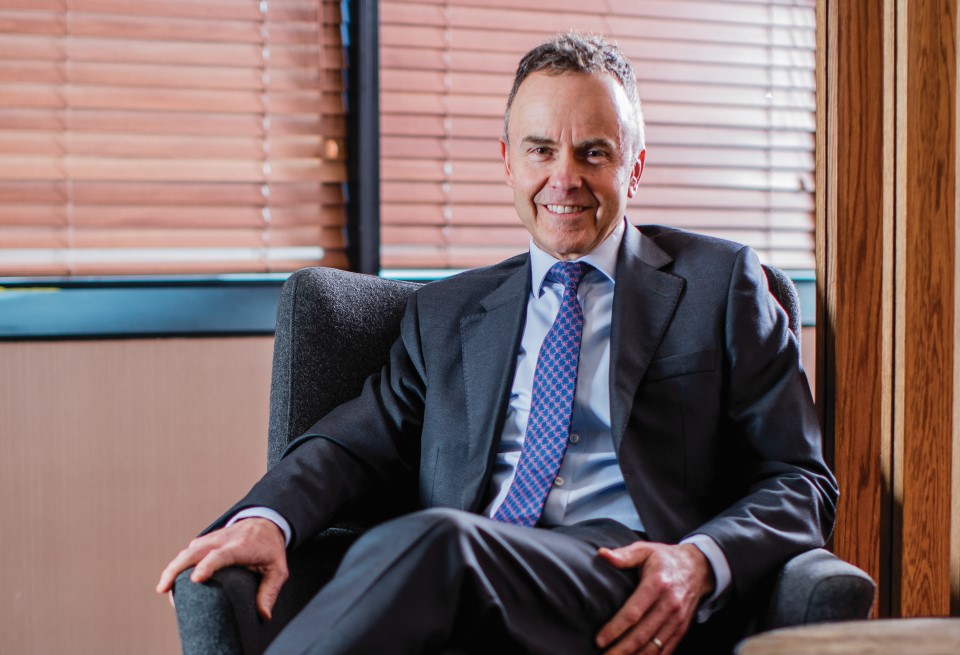
Its rivals, most notably Absa, have tried to take market share from FNB as it has taken a more cautious view on credit, especially unsecured credit, since the start of the Covid-19 pandemic. Nevertheless, FirstRand’s deposit base still grew above the industry average in 2020, according to UBS.
Moreover, according to research from Citi, it remains the most profitable and by far the highest valued of the big four banks, with a return on equity of 13% in 2020. The market capitalization of FirstRand, led by chief executive Alan Pullinger, is consequently about 50% higher than Standard Bank, even though the latter is bigger in terms of assets.
South Africa is the country in Africa where global investment banks retain the highest presence and that’s reflected in the impressive scale and breadth of activity at Bank of America over the past year.
Its work for Sasol was especially important. Bank of America was sole financial adviser and transaction sponsor to the South African firm on its disposal of a 50% interest in its Lake Charles Chemical Project and the creation of a joint venture with LyondellBasell for $2 billion.
It acted in a similar role on Sasol’s disposal of a 50% interest in Gemini to Ineos for $404 million. Bank of America also acted for Sasol as sole global coordinator on a $1.5 billion bond issue and as joint underwriter in a standby equity facility of up to $2 billion.
In other sectors, Bank of America advised on Karooooo’s R4.2 billion ($304 million) cash offer for the 32% of Cartrack it did not own. It was then active bookrunner on Karooooo’s IPO on Nasdaq. Other advisory work saw Bank of America act as independent adviser to RMB Holdings on the unbundling of its stake in FirstRand for $8.7 billion. The bank also helped Exxaro Resources execute a $349 million follow-on offering in Tronox Holding.

|
TANZANIA |
[index] |
|
|
Best Bank: NMB Bank |
|||
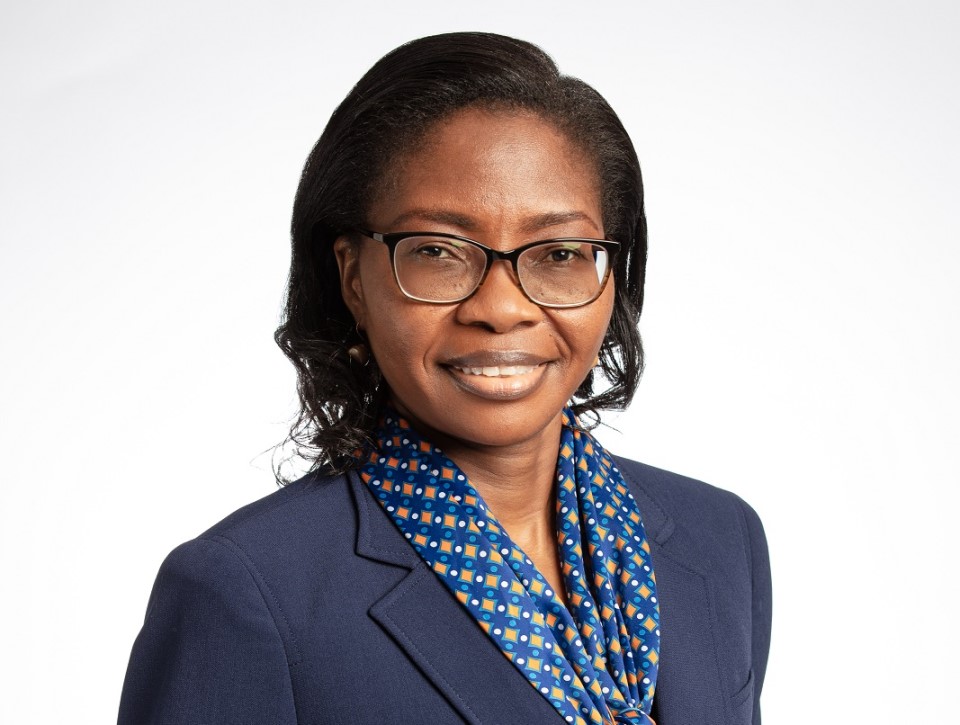
NMB Bank consolidated its leadership of Tanzanian banking in 2020, generating the highest profit in the history of the sector at TSh205 billion ($88.4 million), up 45% on 2019. The bank, which appointed Ruth Zaipuna as chief executive in August last year, saw loans and advances to customers increase 15% to TSh4 trillion. Customer deposits increased by 8% to TSh4.9 trillion.
NMB’s strong financial performance is testament to a push for greater efficiency and a switch to digital channels. Today, 93% of its transactions happen outside branches. This also reflects to a financially inclusive approach to the business including agency banking and USSD mobile banking, capable of offering everything from account opening to registering for health insurance – the bank’s digital insurance offering also benefitted from a new partnership with Reliance Insurance.
NMB’s other partnerships included one with UnionPay, targeting international tourists and businesspeople. It teamed up with Mastercard to launch a scheme that allows motorbike taxi customers to make payments using USSD and QR codes. And it also launched a new loan facility helping individuals acquire motorbike taxis, known locally as boda bodas.

|
TUNISIA |
[index] |
|
|
Best Bank: Amen Bank |
|||
Amen Bank remains the bank to beat in Tunisia’s financial sector. The private-sector lender posted a net profit of $36.7 million in 2020, down 31% year on year. But operating income came in only slightly lower, at $316 million, with customer deposits rising 5% to $2.16 billion.
What puts the lender ahead of the crowd is its ability to innovate and think clearly when times are toughest. During the awards period it launched a new service called Patentés, tailored to the needs of micro-companies. A pair of new platforms, Amen+ and Amen+ Senior, were rolled out to retail customers in the spring of 2020, when the need to help individuals process digital financial transactions from the safety of their homes was at its height.
Another significant packet of financial services, called Amen Start-up, unveiled in early 2020, was designed with the needs of small and medium-sized companies in mind.

|
UGANDA |
[index] |
|
|
Best Bank: Stanbic Bank Uganda |
|||
One of the strongest financial institutions in the country, Stanbic Bank Uganda has played a key role in mitigating the impact of Covid in Uganda. During the awards period it extended credit relief to more than 1,600 business customers (60% of them SMEs) and restructured USh800 billion ($228 million) worth of corporate loans.
The bank posted a net profit of USh243 billion in 2020, against USh259 billion the previous year. But like many of the region’s best lenders, it saw a host of metrics improve, with deposits up 16.3% year on year to USh5.5 trillion and its cost-to-income ratio down one percentage point at 48.3%.
Stanbic Bank Uganda also finalized several capital markets deals over the awards period. It helped the government to print a €300 million bond, acting as mandated lead arranger and bookrunner. It also worked on a host of loan facilities for private-sector firms including Crown Beverages and Airtel Uganda. It helped MTN Uganda to raise $100 million in a five-year dual-currency deal, with the bank acting as global coordinator and mandated lead arranger.

|
ZAMBIA |
[index] |
|
|
Best Bank: Zambia National Commercial Bank |
|||
Zambia National Commercial Bank (Zanaco) continues to find new ways to shine, even when times are tough. Zambia’s universal bank saw profits decline by about a quarter in 2020, but elsewhere its financials demonstrate the regard in which it is held.

In a year in which the economy shrank by 3.5% and the US dollar appreciated by 49% against the local currency, Zanaco managed to trim its non-performing loan ratio by one percentage point, to 13.5%. Customer deposits grew 6.8% to $747 billion in 2020, with the bank registering a return on equity of 24.9%.
Zanaco stands out from the crowd in many other ways. It generated more income last year than any other local bank. It is also the largest lender to small firms. In 2020 its SME loan portfolio grew 85% year on year to $24.5 million.
And it is a leader in diversity and corporate social responsibility. By the end of 2020, its Village Banking programme, introduced two years ago, had attracted 3,000 rural groups, 19% of which are run exclusively by women. Last year the bank appointed its first female chief executive, Mukwandi Chibesakunda, and 60% of its senior management team is female.