It has been quite the flurry of trading places.
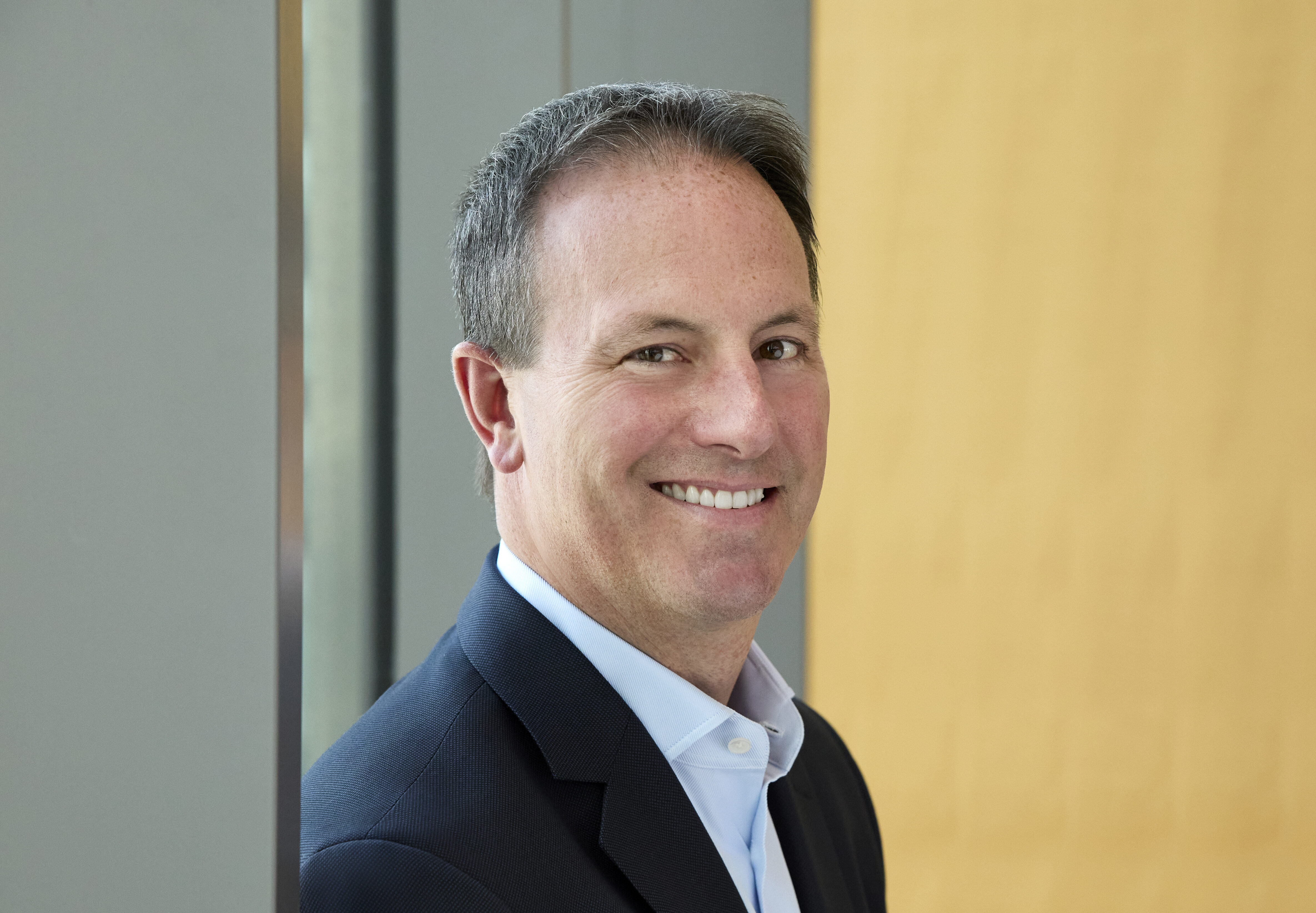
On Monday, Lloyds Banking Group announced that its next chief executive will be Charlie Nunn, head of wealth and personal banking at HSBC. Nunn will join as soon as his present employer agrees a suitable notice period for the leader of its biggest division, responsible for 43% of group revenues.
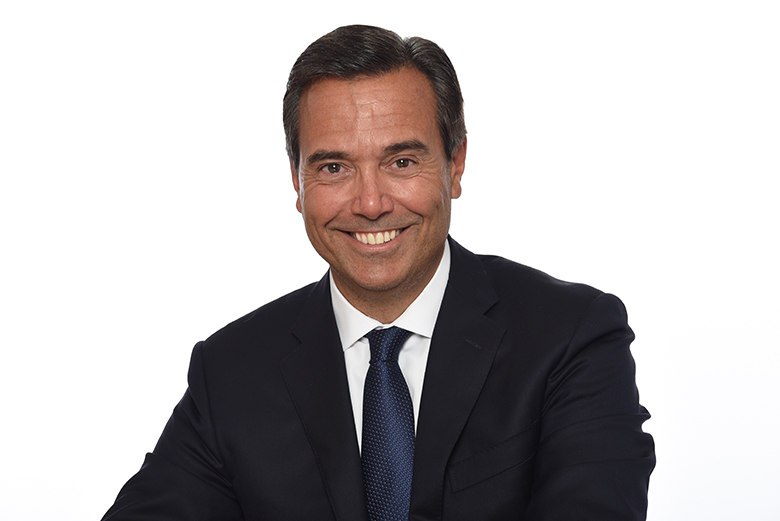
Just 24 hours later, showing perhaps how keen he was to move on, the present chief executive of Lloyds, António Horta-Osório, became chairman designate at Credit Suisse. If its shareholders approve, he will take that role at the end of April 2021, having already announced that he would leave Lloyds by no later than the end of June next year.
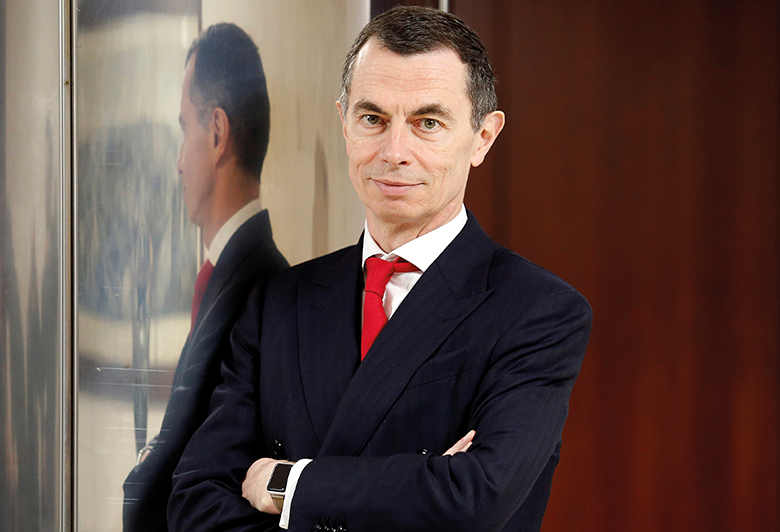
In between the two announcements, UniCredit disclosed that its chief executive, Jean Pierre Mustier, who arrived in 2011 just as Horta-Osório did at Lloyds – and like him earned high marks for rescuing and transforming a broken national champion – is leaving.
There’s a lot going on here, in front of the cameras and behind the scenes.
In recent years, Horta-Osório and Mustier have both regularly been touted as candidates for any bank CEO job that fell open.
It is ironic that a departure from HSBC should start the music on the latest turn of the managerial merry-go-round.
After Mark Tucker became chairman of HSBC in 2017, Horta-Osório was seen as a potential successor to Stuart Gulliver as chief executive. In the end, being himself a newcomer to the UK’s biggest bank, Tucker promoted from within. When he had second thoughts and dispensed with John Flint, Mustier became a lead candidate to be CEO but eventually chose to continue his mission at UniCredit.
Horta-Osório had once looked like a successor to Emilio Botín at Santander and told Euromoney he turned down at least one approach to be CEO of a large European bank before leaving for Lloyds.
He focused the group on UK retail, pulled it out of investment banking and overseas operations and, with that done, appeared set to lead a more international bank with bigger ambitions to match his own.
Perhaps he stayed too long.
Vision
While Horta-Osório showed vision by investing heavily in digital back in 2014, ahead of HSBC and most other European banks, he came to look like a master of nitty-gritty domestic retail and commercial banking.
Mustier, who ran corporate and investment banking at Societe Generale and at UniCredit before becoming CEO, has more relevant experience to chair Credit Suisse, which retains a global investment bank, albeit primarily to serve ultra-high net-worth private clients.
Might Horta-Osório, who speaks Italian and French fluently, have been a candidate to run UniCredit?
The entry and exit doors have been banging loudly in European banking, perhaps just not at the right moments.
Both men begin to look like once-in-a-generation leaders: the Portuguese that rebuilt a broken British bank; the Frenchman who rescued an Italian champion; each resolute in their own way.
Horta-Osório annoyed his peers by setting the precedent of compensation for mis-sold payment protection insurance, a symptom of mismanaged UK banks’ inability to profit honestly from retail.
Mustier remained set against acquiring Monte dei Paschi di Siena – perhaps mindful of the Lloyds experience with HBOS. But the Italian establishment now wants UniCredit to do that deal.
Bringing the story full circle, the departure of both echoes that of Tidjane Thiam, the Ivorian and French citizen who earned the gratitude of the Zurich financial establishment for rescuing Credit Suisse but never belonged. With the bank set fair, he was ousted for something he didn’t do.
Outsiders rarely last in banking once the difficult work is done.