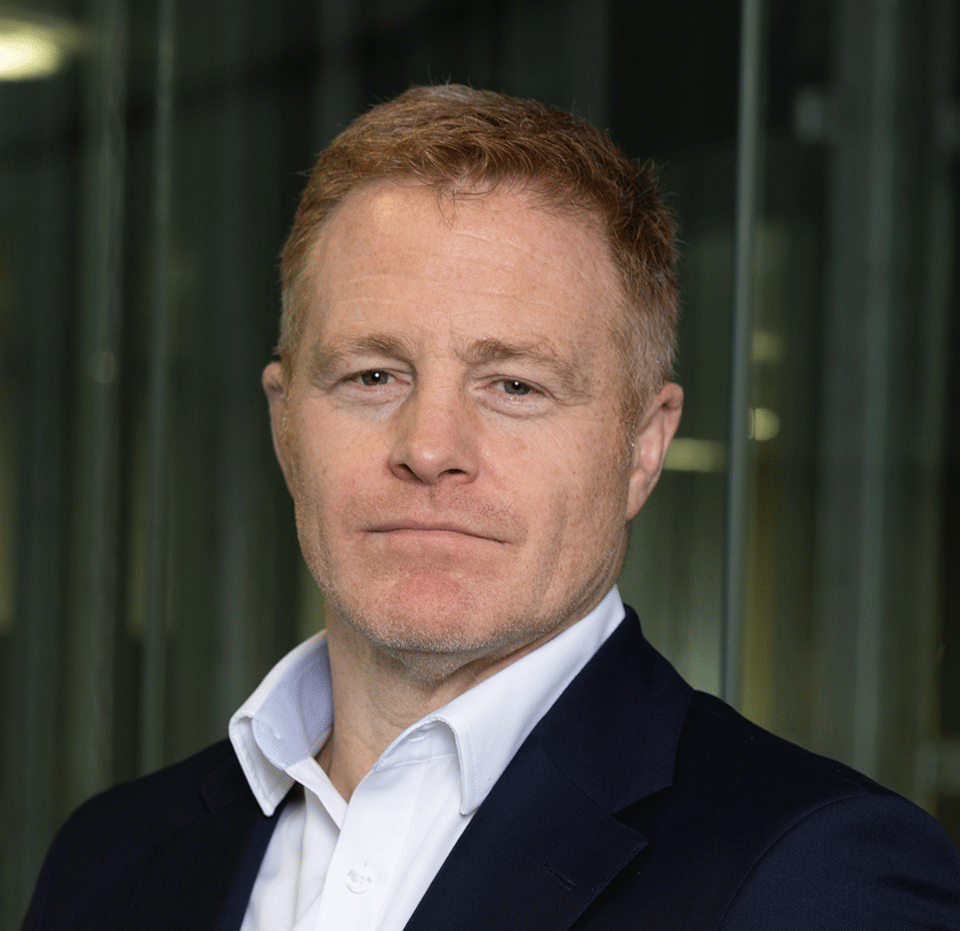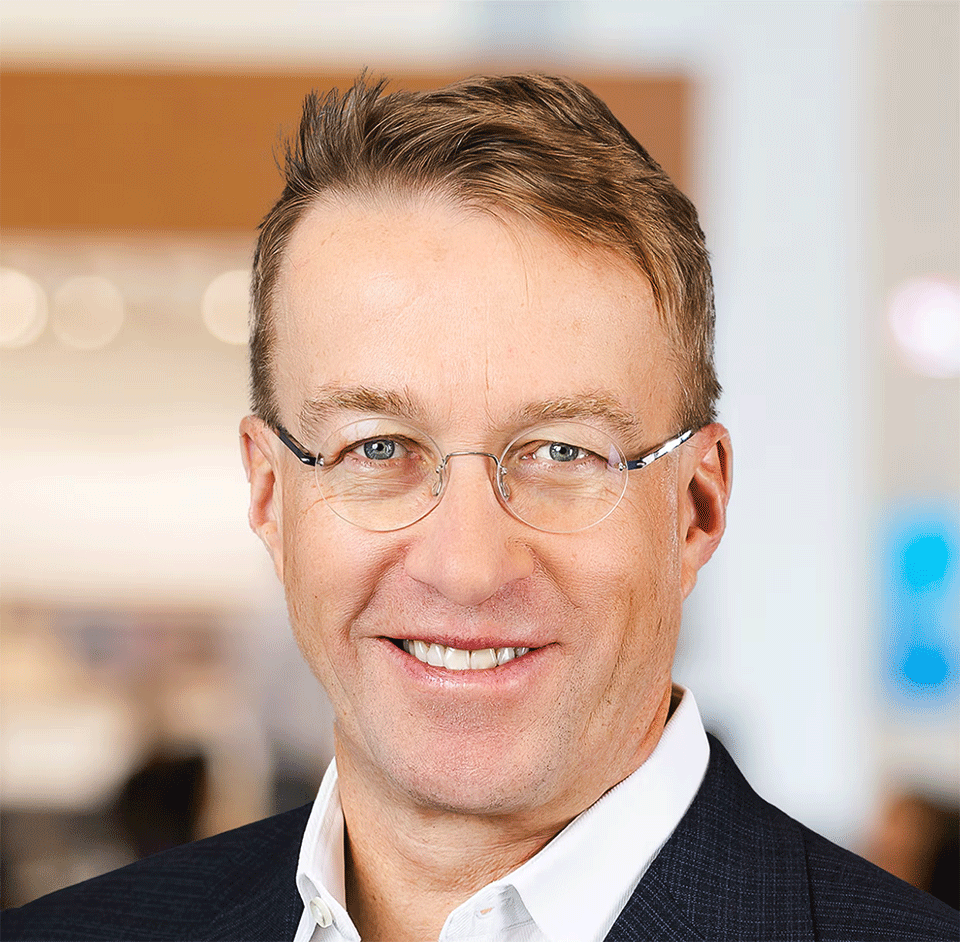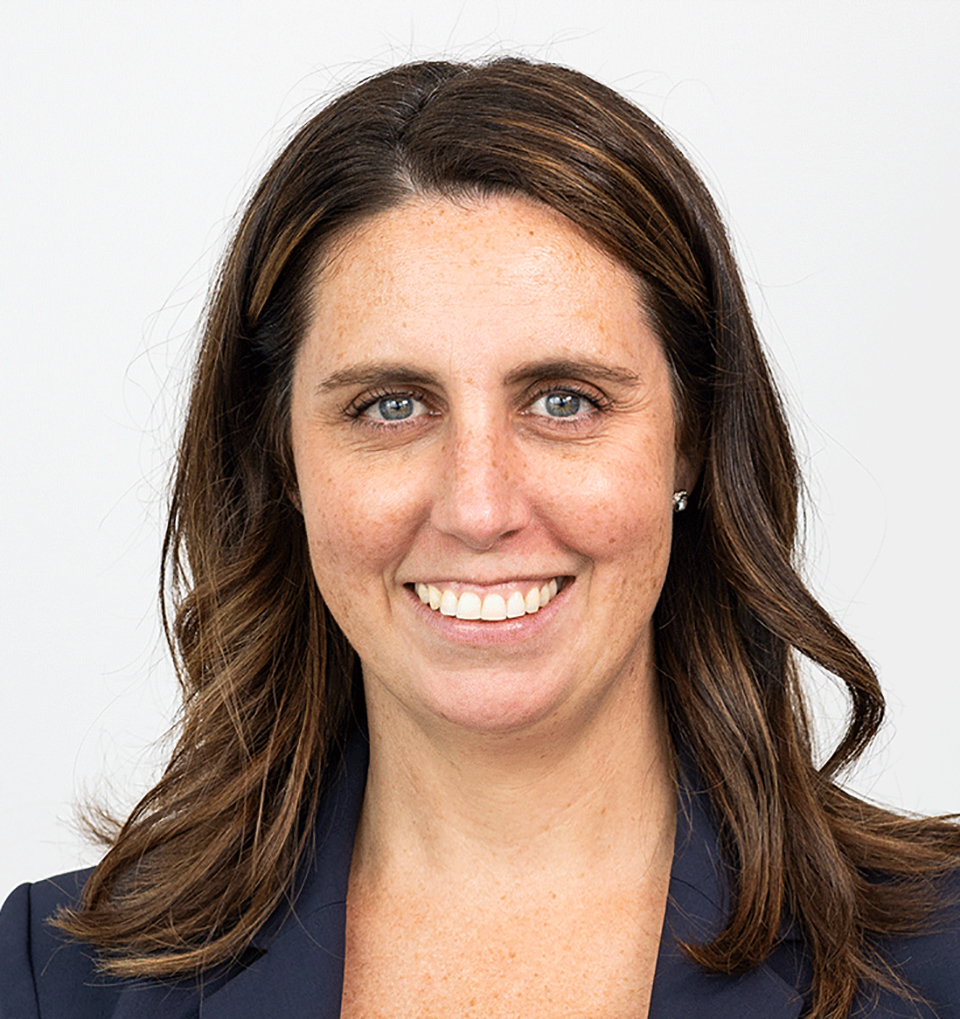
Thomas Gottstein took over as chief executive of Credit Suisse on February 14, 2020, in extraordinary circumstances.
The board had asked his old boss, Tidjane Thiam, to leave on February 7, after evidence had emerged that Iqbal Khan, former head of International Wealth Management, had not been the only departing Credit Suisse executive to be put under surveillance – whether Thiam knew of this or not.
Thiam had previously put Gottstein in charge of the bank’s biggest division, the Swiss Universal Bank (SUB), while he fixed the rest of Credit Suisse, shrank the global markets business and reallocated capital away from trading and investment banking towards wealth management.
Thiam asked Gottstein to prepare the Swiss Universal Bank for an IPO to pay for all this, but when he got the restructuring through without needing new capital, Thiam then told him that it was not going to happen after all. It had been just a fallback plan; Thiam’s insurance contract.
However, all of a sudden – after a public campaign by certain Credit Suisse shareholders to oust chairman Urs Rohner instead of Thiam – the outsider who had saved Credit Suisse was gone.
I prefer to work in the office. With my two sons running around at home, the dogs, I just feel more focused here
Thomas Gottstein
Gottstein must have known, as the controversy swirled a couple of weeks earlier, that he was a contender to take over the top job. Gottstein turned up on February 13 to hear Thiam deliver strong results for 2019 – presenting these himself being a condition of his peaceful departure – and the next day Gottstein became chief executive.
Gottstein’s own first results announcement would be for a first quarter of 2020 – by mid-February things were going really well, Thiam had helpfully told investors – when he would have headed the bank for just six weeks.
Amid all this, the black cloud had already been gathering. On March 18, Switzerland declared a state of emergency over Covid-19. Around the world, 90% of Credit Suisse’s 48,000 staff were soon working from home.
Pulling together
Gottstein managed to stick it out for two weeks, long enough to discover, for example, that the Credit Suisse controls that forbid printing of documents outside the office do not allow an exception for the CEO.
“I prefer to work in the office,” he says. “With my two sons running around at home, the dogs, I just feel more focused here.” The hint of humour shows how dealing with the crisis gave him a way to overcome the difficult circumstances of his appointment.
The executive floors were not crowded in early April, but he was not alone. “In Switzerland, and also in Hong Kong, in March we had more people, closer to 25%, still coming into the office,” he say. “We certainly didn’t want to close all the Swiss branches, and 80 out of 130 remained open. And while some traders worked from home, we found it was possible for key employees to come in and socially distance while dealing with the extraordinary volumes and volatility.”
In a crisis, people pull together. “Early on we decided that anyone at Credit Suisse who fell ill or who had a sick family member to look after would be able to do so on paid leave. We did estimate that as many as 10% to 15% of our staff would ask for this, but in the end only a tiny percentage did.”
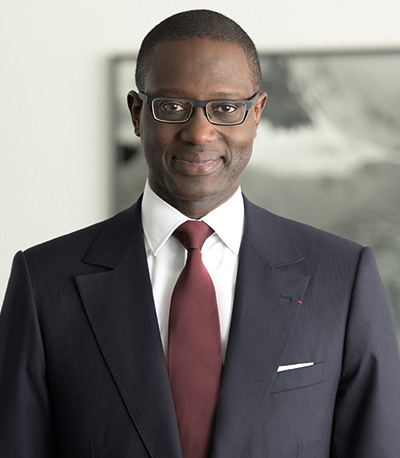
Consistency can be a refuge for fools
Tidjane Thiam
As well as staff, clients needed care and attention, especially the many small and medium-sized enterprises that Credit Suisse banks in Switzerland and which are not a mainstay of its operations in any other part of the world.
“It was the hairdressers, restaurants, dentists, hotels, small businesses, dog’s homes etc. that needed help very urgently as their revenues collapsed,” says Gottstein. “I sat down with the team and we quickly saw the need for government guarantees for such lending, modelled on export credit guarantees.
“I called Mark Branson [chief executive] at Finma and Thomas Jordan [governor] at the Swiss National Bank and then I called Ueli Maurer [minister of finance] to discuss the fact that all these businesses had bank accounts and that loans equivalent to 10% of the prior year’s turnover might keep them going if the banks could just extend these on the basis of government guarantees,” he says. “Amid all the uncertainty, it was vital for the economy to keep as many of these businesses alive as we can and prevent them from going bankrupt and never reopening.
“They liked the idea. We then spoke to UBS and the three other largest Swiss banks. Within 10 days a system for up to SFr20 billion ($22 billion) in financing was put in place.” Small Swiss companies with business bank accounts could fill in a one-page form to request a loan, confirm their turnover figures and that they were not asking for another such loan from more than one bank – which would be a criminal offence – and be credited with funds within half an hour.
“I had people coming up to me in the streets to thank me,” says Gottstein.
Euromoney has learned that, informally, other European governments sounded out senior Credit Suisse executives about the scheme.
“I am very proud of Credit Suisse’s role in this programme, which was up and running within three weeks of that very first conversation here,” says Gottstein. “We do have an advantage in that everybody knows each other in Switzerland – at the finance ministry, the central bank, the largest private banks.”
Antennae tuned in
Gottstein’s antennae are well tuned to the public mood and the danger that customers might not be so thankful if the recovery does not materialize.
“The Swiss banks can fund from the SNB at -75 basis points, so we have a margin on which to operate this scheme,” Gottstein says. “There might still be losses on the non-guaranteed portions of loans to larger SMEs and there is an interest rate risk. Meanwhile, we and UBS very quickly said that we will donate any profit from the scheme to charity.”
It remains to be seen how the Swiss economy, which accounts for 59% of gross loans at the Credit Suisse group, fares. Emergency loan support schemes don’t solve everything.
“There indeed are certain industries that may need government support otherwise they will not be bankable,” says Gottstein. “Also, there are many companies which will only feel the pain of the recession in 2021 and will need more financial support then.”
We are combining our global markets, investment banking and capital markets and Apac markets operations into one single global investment bank
Thomas Gottstein
Credit Suisse is unusual in Europe in reporting according to US GAAP, which includes early current expected credit loss accounting for likely future loan losses. Most of its loans are collateralized and in the second-quarter results at the end of July (Gottstein’s first full quarter in charge), Credit Suisse added another SFr296 million of provisions for credit losses to the SFr568 million taken in the first quarter, leaving it carrying SFr2 billion in allowances for credit losses.
“Generally, it is true, in my opinion, that banks are much better capitalized today than they were during the global financial crisis in 2008/2009,” says Gottstein. “I still think there is a risk that some banks may be challenged from higher than expected losses on the consumer side and on credit cards as well as on corporate credit. And we have seen how pro-cyclical the capital requirements are when volatility increases, even if balance sheets remain constant.”
While it remains to be seen how much of its own buffers are consumed by realized losses, Gottstein is starting to make his mark, adapting the structure Thiam put in place.
In the second quarter of 2020 net income of SFr1.2 billion was 24% up on the (Covid-free) second-quarter of 2019 – the highest second-quarter result for a decade.
That was thanks to strong performances from global markets, particularly in fixed income sales and trading, as well as from investment banking and capital markets, as corporations termed out bank funding with new issues of bonds, convertibles and stock.
Greater efficiency
When he was restructuring Credit Suisse, Thiam broke the global markets division – which bore the brunt of staff cuts and risk-weighted asset (RWA) reductions and where the resistance to his leadership was most bitter and most vocal – away from the investment bank while he fixed it.
Now Gottstein is putting the pieces back together, in a search of greater efficiency. “While we strongly believe in our regional approach to wealth management with proximity to clients, we are combining our global markets, investment banking and capital markets and Apac [Asia-Pacific] markets operations into one single global investment bank. We will also combine our risk and compliance functions into a single chief risk and compliance officer function.”
Dynamic capital allocation has not always been easy between the investment bank, global markets, then Apac markets as a third division – for example, when new issue volume picks up and the bank wants to allocate more RWAs to the primary business and times when new issues are slow and it wants to allocate more to the trading side.
The bank is also launching a sustainability, research and investment solutions unit called SRI, at executive board level, combining impact, advisory and finance, investment solutions and products currently housed in international wealth management (IWM), equity research currently housed in global markets and in the Apac divisions, and finally the marketing and branding operations.
“In doing so, we address a certain degree of fragmentation, improve effectiveness and, together with additional efficiency plans in SUB and other corporate function areas, expect to generate run rate savings of approximately SFr400 million per annum from 2022 onwards,” says Gottstein.
“We expect to reinvest these savings into our four divisions with a particular emphasis in Apac but also in IWM and SUB, as well as in our continued digitalization and sustainability efforts. These changes are intended to align our business and resources for growth.”
After becoming CEO, Gottstein had just three weeks to visit management teams around the world, host town halls in person and meet the largest customers and shareholders that he did not already know. Then came lockdown and with it both the stressful sense of responsibility for the whole bank but also the opportunity to put it to work in the old-fashioned way of mobilizing support to customers who desperately needed it.
Next time Gottstein sits down with shareholders, customers and executives, he will have more to discuss than the Covid funding programme and progress towards a vaccine.
Euromoney takes a wild guess that Thiam would not be too upset to see his successor altering the structures he himself put in. At his last results announcement Thiam said: “Consistency can be a refuge for fools.”
Credit Suisse’s new leader has learned from the previous one to be his own man.