|
| © 2019 Euromoney |
| Regional awards |
| View full 2019 results |

Australia Best Bank

Bangladesh Best Bank

Cambodia Best Bank

China Best Bank

Hong Kong Best Bank

India Best Bank

Indonesia Best Bank

Japan Best Bank

Korea Best Bank

Macau Best Bank

Malaysia Best Bank

Mongolia Best Bank

Myanmar Best Bank

Nepal Best Bank

New Zealand Best Bank

Pakistan Best Bank

Papua New Guinea Best Bank

The Philippines Best Bank

Singapore Best Bank

Sri Lanka Best Bank

Taiwan Best Bank

Thailand Best Bank

Vietnam Best Bank
 |
AustraliaBest bank: Macquarie
|
In a year of unprecedented scrutiny and reputational damage for an Australian banking system facing the Royal Commission into Misconduct in the Banking, Superannuation and Financial Services Industry, Macquarie sailed through with customary savoir-faire.
Then chief executive Nicholas Moore was called briefly before the commission, was contrite about the relatively small indiscretions that were revealed and moved on.
|
|
|
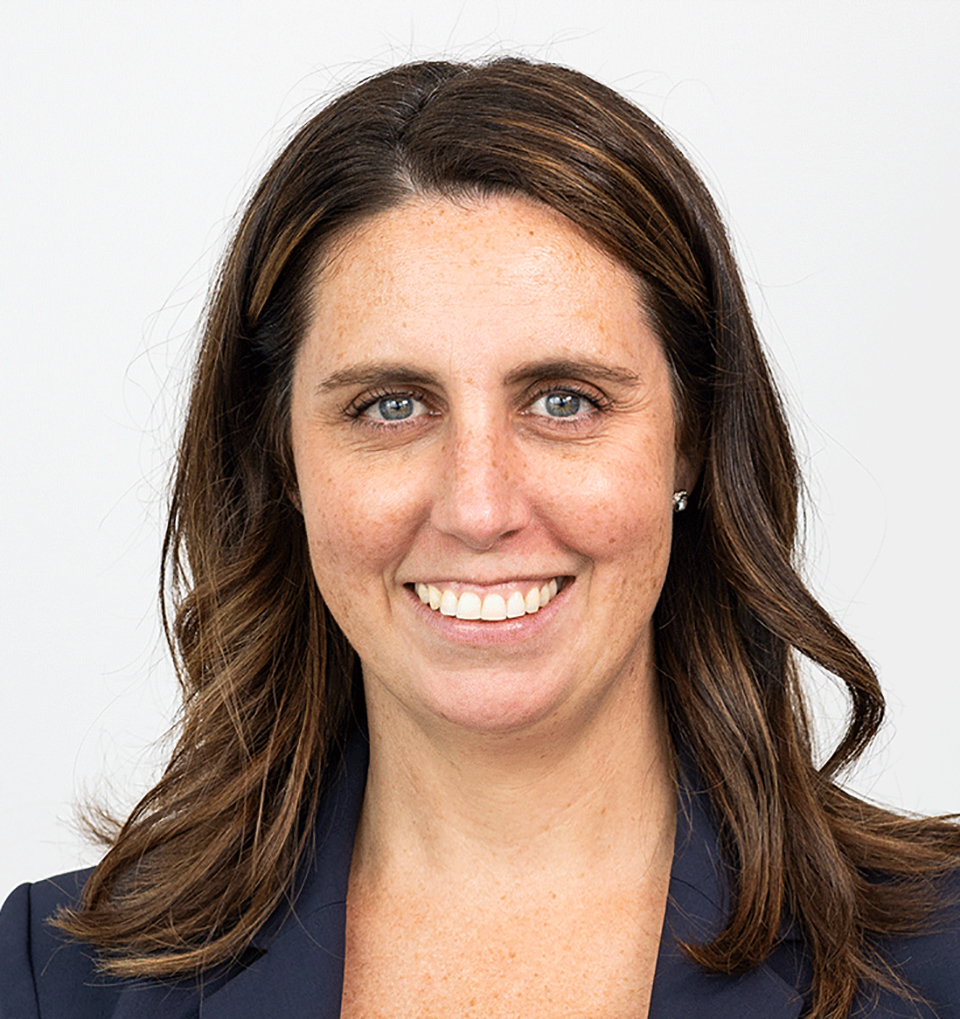
Shemara |
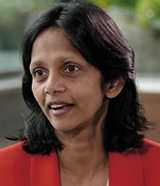
We continue to review Macquarie as a bank rather than an investment bank, with annuity-style businesses (as opposed to markets-facing businesses) accounting for 53% of profits in the financial year ending March 31, 2019. Shemara Wikramanayake, the new chief executive, leads a business performing extraordinarily well in a sector beset by problems.
Full-year profits, at A$2.98 billion ($2.06 billion), were up 17% year on year. Whether it is as a global asset manager, an asset finance specialist, a retail investment platform, a commodities house or a corporate finance adviser, Macquarie does it well.
There is a school of thought that Wikramanayake, like Moore a decade earlier, was taking on the top job at the worst time, but if so, there is no sign of it yet. Protected by product and industry diversification (66% of total income was generated offshore in 2019), the bank has weathered a tougher environment for its annuity-based business and made up for it with the stuff we always used to associate with Macquarie, such as its Macquarie Capital arm and its commodity business. It seems that, regardless of the environment, Macquarie always finds a way to make money – and has got better than ever at not losing it.
Australia’s investment bank of the year was one of the easier choices Euromoney had to make. UBS dominated M&A and equity capital markets in the review period and was also among the leaders in debt.
In ECM it raised A$7 billion across 38 deals, among them the two largest underwritten follow-on raisings in our review period, for Transurban and WorleyParsons. Both supported M&A transactions and in both cases, UBS was an adviser on those deals too, helping Transurban buy 51% of WestConnex for A$25.2 billion and WorleyParsons buy Jacobs’ energy, chemicals and resources division for A$4.6 billion.
Those deals alone get the firm most of the way to the award, but there were plenty more. There weren’t many IPOs, but UBS led the two largest, for Viva Energy and Coronado Coal. Other M&A deals included Amcor’s acquisition of Bemis and the sale of Cirtex to CDH and China Grand Pharma. In debt, the bank handled deals for government, supranationals, financials and corporates, across the range of structures from secured to subordinated. A highlight there was NAB’s €750 million five-year green bond and €1.25 billion 10-year senior unsecured issue.
 |
BangladeshBest bank: Standard Chartered
|
Standard Chartered runs a well-oiled, successful business in Bangladesh, which has rarely been more clearly illustrated than in its 2018 numbers. Net profit was up 31.7% to Tk11.2 billion ($133 million); assets were up 26.7%; return on equity hit 20% and it was all achieved with a modest non-performing loan ratio of 2.4%.
It achieves these numbers through a combination of more than a century of on-the-ground presence and smarts honed across the bank’s broader network. So, for example, its support for trade and investment through the Bangladesh-Japan and Bangladesh-China corridors is helped by the bank’s overall scale and ability in supply-chain finance.
Its issue of a standby letter of credit to import liquefied natural gas (LNG) to Bangladesh for the first time speaks to innovation; and its support for the first large solar power plant to feed the national grid shows project-finance expertise and balance-sheet heft. Other firsts included facilitating the first-ever equity participation by foreign stock exchanges in Dhaka, for a consortium of Chinese exchanges, and executing the country’s first cross-border acquisition for Akij Group.
The bank’s corporate responsibility (CR) activities in Bangladesh are also important. Its livelihood development work with communities in Lalmonirhaat and Kurigram has served 2,300 households, its FE4Y youth programme has reached 3,000 young people – 90% of them girls – in 40 Chittagong schools since 2014; and Bangladesh is the place where the landmark ‘Seeing is believing’ initiative began. It has reached 1.4 million people in Bangladesh so far.
IDLC continues to stand out among the 62 licensed investment banks in Bangladesh. Of the four with the breadth of business to be considered for this award, IDLC was the most profitable in 2018 and had the strongest return on equity and return on assets. Most of those numbers do not look particularly strong by global comparison – that market-leading ROE was just 6.23% – but Bangladesh’s capital markets were in decline for most of the review period, prompting IDLC to cut back its margin lending exposure.
Although deals were sparse, IDLC was on the IPO of Runner Automobiles, handled equity raisings for two pharma companies and worked on the merger of Jayson Agrovet with three other companies. The firm’s discretionary portfolio management is successful.
 |
CambodiaBest bank: ABA |
Clearly the strongest bank in Cambodia, ABA benefits from strong shareholders, good practices and a buoyant market.
During our review period ABA’s $71.82 million in net profit represented a remarkable 55% year-on-year increase, achieving 28% return on equity. The bank’s asset base has more than trebled since 2015, while gross loans have quadrupled.
Rapid expansion is clearly a large part of the ABA plan: the bank opened 15 new branches last year and extended hours of operation at busy branches in Phnom Penh. The bank has also increased 10-fold the number of client acquisition officers for the opening of accounts outside branches. But so far this has been achieved without stretching the business or attracting poor assets.
ABA embraces digital more than any local peer, based on its ABA Mobile app. Its E-cash feature, allowing customers to withdraw from an ATM without a bank card, was used 370,000 times in 2018 alone.
The ABA Pay feature promotes the use of QR codes and cashless payments; the PayWay online payment e-commerce gateway was upgraded during the year; and new digital offerings for invoices have been developed to help small businesses.
All of this helped S&P assign a positive outlook to the bank’s B credit rating.
 |
ChinaBest bank: China Merchants Bank
|
We step outside the big four banks this year, for a number of reasons. One is a sense that the big four, while well-managed and prudent, just haven’t been taking any risk and that the proper development of the Chinese economy requires at least some attempt to do so.
Also the forced imposition of debt-equity swap programmes isn’t going to do them any favours; there is a fear that their pristine balance sheets will be used by the state to absorb some of the toxicity inherent in the country’s corporate and civic debt loads.
|
Tian Huiyu |
So this year we recognize China Merchants Bank (CMB). Our interview with president Tian Huiyu in May showed a bank with innovation in its blood, without government financial support since its 1987 launch in then-dormant Shenzhen and so forced to do things differently and to embrace technology.
Given its roots, it is perfectly placed for the state priority of the Greater Bay Area, with representation across the cities within it. And the bank’s positioning is becoming clear in its numbers: net profit climbed 14.8% year on year in 2018 to Rmb80.56 billion ($11.65 billion), while return on average equity stands at 16.57%.
The numbers you prefer to be low are very low indeed: a cost-to-income ratio of 31.04% and non-performing loans of 1.36%, although in both cases the Chinese definition is not always the same as that used elsewhere.
Being outside the big four (although ‘big six’ is now the favoured term) doesn’t mean being small. CMB has 125 million retail customers and 81 million monthly active users of its apps, as well as 1.8 million corporate customers. More importantly, the bank puts money to work with greater drive and imagination than its somewhat timid bigger peers.
Goldman Sachs was everywhere in China investment banking during our review period.
Its leadership was particularly clear in equity capital markets, where its roles, at joint bookrunner or higher, included the Rmb40 billion A-share convertible bond for China Citic Bank, the Rmb26 billion A-share convertible for Ping An, the A-share IPO for PICC and several other A-share IPOs and convertibles.
Taking Chinese names to Hong Kong, Goldman was on the China Tower $7.5 billion H-share IPO, the landmark (if somewhat disappointing) Xiaomi $5.4 billion dual share class IPO and the $4.2 billion Meituan Dianping IPO that followed it.
It took others to New York, bringing the Punduoduo IPO to Nasdaq and Tencent Music Entertainment Group and Nio to the NYSE. A $1.2 billion convertible for iQIYI rounded out a stellar year.
In M&A, key deals included advising Brilliance on its sale of BMW Brilliance to BMW, the sale of Precision Capital’s stake in Banque Internationale à Luxembourg to Legend Holdings and a $2.9 billion private placement for China Orient Asset Management.
Big debt deals included the $6 billion multi-tranche 144A/Reg S deal for Tencent, $2.8 billion of dual currency senior notes for State Grid Corporation of China and a $1.5 billion multi-tranche senior notes issue for Country Garden.
On top of all this, the partnership with Beijing Gao Hua provides a full onshore sales and trading platform that will become increasingly important as the ownership restrictions on Sino-foreign joint ventures ease.
 |
Hong KongBest bank: HSBC
|
HSBC is an obvious winner in its spiritual home of Hong Kong. Its profit before tax here represents 64.7% of those for the Asia-Pacific region and 57.9% of the whole group.
And, despite being the largest bank by assets in Hong Kong for as long as anyone can remember – and the leader in customer bank accounts, Mandatory Provident Fund accounts, mortgages, life insurance, loans, trade finance and debt capital markets – it is still growing, with adjusted revenue up 14% in 2018 and the net interest margin increasing by 25 basis points.
It takes great effort to take a business this big and entrenched and improve it. But HSBC has found ways to do things better. Key areas last year included: wealth management and insurance, with the launch of HSBC Life, the most successful bancassurance business in Hong Kong; traction in digital payments, with 1.5 million PayMe users and a digital equivalent of the service launched; and efforts to capitalize on China and in particular the Greater Bay Area.
Other areas of strength include renminbi internationalization and sustainable finance. Across the board, HSBC is still the name to beat in Hong Kong.
According to Dealogic, no bank made more in investment banking fees in Hong Kong during our review period than JPMorgan, chiefly thanks to its excellence in M&A.
Highlights included acting as financial adviser to Orient Overseas (International) on its sale to Cosco Shipping and Shanghai International Port; CK Hutchison Group on its merger with Etisalat Group’s mobile telecoms business in Sri Lanka; United Energy Group on its acquisition of Kuwait Energy; and HKBN on its all-stock merger with WTT Holding.
In ECM, JPMorgan was joint global coordinator on the Link Reit HK$4 billion ($510 million) green convertible bond offering. Highlights in DCM included lead roles on a $200 million unsecured notes offering for Road King Infrastructure and $600 million for New World Development.
 |
IndiaBest bank: HDFC
|
HDFC always seems a cut above the rest in India: it is shrewd in the good times and resilient in the bad. Our review period brought plenty of both, yet HDFC delivered a 20.54% jump in after-tax profit in the year to March 31, 2019, with deposits and assets up double digits.
|
|
|
Aditya Puri |
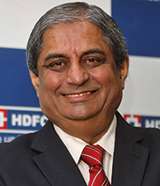
Its non-performing loans are among the lowest in the industry, while return on equity, although somewhat diminished in recent years, stands at 16.3%. One reason HDFC stands out is an absence of problems. While many institutions have been caught by failing corporate enterprises being dragged through the insolvency courts, managing director Aditya Puri has kept HDFC relatively unscathed.
During the review period, the Reserve Bank of India identified HDFC as a domestic systemically important bank (D-Sib). Much of what is interesting about the bank right now is digital: its Smart Hub platform is being used by over 8,000 educational institutions and 2,500 government departments.
It is also important to recognize HDFC Bank Parivartan, the umbrella brand for the bank’s social initiatives. Parivartan means ‘change’, and so far it has impacted 10 million lives in areas such as rural development, financial literacy and hygiene.
Our review period included a true landmark deal, Walmart’s acquisition of a 77% stake in Flipkart for $16 billion. Goldman Sachs was the exclusive financial adviser to Flipkart on the deal, touting the Indian e-commerce company to names including Amazon, Alibaba and Google before securing the Walmart bid that gave the company an implied valuation of $21 billion.
The Flipkart deal underpinned a transformative year in Indian M&A, where the $129 billion of announced deals almost doubled the previous record of $67 billion from 2007. India overtook China in foreign direct investment inflows in 2018 for the first time in 20 years. Goldman was very well placed, also winning a mandate to advise Bharti Infratel on its merger with Indus Towers. It also advised Renew Power on its acquisition of Ostro Energy; Novelis on its acquisition by Aleris; and TPG Growth on its sale of a stake in Healthium MedTech to Apax Partners.
While M&A was the theme of the year, Goldman was active too in the capital markets, notably on a $1.8 billion American Depositary Shares offering for HDFC Bank, the largest deal of its kind for a decade; it has been appointed on a $3.5 billion rights issue for Bharti Airtel and as bookrunning lead manager for Embassy Reit, the country’s first real estate investment trust.
Goldman’s principal investment arm tends to be forgotten in these assessments, but the $3.6 billion it has put into India is important, including early stakes in Renew Power, Nova Medical, Antuit and Pepperfry.
 |
IndonesiaBest bank: Bank Central Asia
|
Bank Central Asia (BCA) has reached its position of excellence by never putting a foot wrong, being selective about its clients and knowing what it is good at. Its 2018 numbers showed the benefits of this discipline: net income was up 10.6% year on year and return on equity a market-leading 18.8%, as well as industry leading numbers for non-performing loans (1.4% gross), net interest margins, capital adequacy, and current and savings account (CASA) growth.
This was no mean feat in a difficult year for Indonesia, with tight liquidity and rising rates, alongside political tension ahead of elections. But for chief executive Jahja Setiaatmadja, it is all about common sense: accumulation of sticky CASA funds as core funding at low interest, with transaction banking entrenched as a core business, allowing deployment of funds in other growth areas, hence a 15.1% climb in the loan portfolio during 2018.
BCA is a digital leader nationally, with new initiatives including QR code-based peer-to-peer transfer services through BCA Mobile. In 2018, 98% of BCA transaction services were carried out through internet banking, mobile banking and ATMs. That said, the other 2% – cash transactions at branches – account for 54% of transaction value, so BCA isn’t binning the branch offices just yet.
In a difficult year in the Indonesian markets, BNP Paribas had the strongest 12 months, combining debt, lending, structured finance and M&A ability in a year when there wasn’t a lot to do in the equity markets.
During the review period, the bank led the $1.7 billion acquisition of Holcim Indonesia by PT Semen Indonesia, advising the acquirer and leading the acquisition financing. A month later it was mandated by gas firm PGN as financial adviser on its $1.35 billion acquisition of 51% of Pertamina Gas.
When it supported Persero’s acquisition of gold and copper mines with a $2.85 billion 18-month bridge loan, followed by a joint global coordinator role on a $4 billion multi-tranche debt issue, it marketed the largest debut dollar issuance out of southeast Asia all year; its 30-year tranche was the longest-dated bullet ever out of Asian mining.
Other highlights came in export finance, advisory for Cinemaxx Group on an asset sale and for Michelin on a local acquisition, a syndicated term loan for Danamon subsidiary Adira Finance, and other bonds and loans locally.
The bank’s long-standing commitment to sustainable finance is also worthy of note.
 |
JapanBest bank: SMBC
|
All of Japan’s big banks suffered last year, and ultimately it was a question of degree. Mizuho’s net profits plunged 83% and MUFG’s 12%, while SMBC managed to stay more or less flat with just a 1% decline.
It might seem to be damning with faint praise, but just staying on course in this environment – an ageing and shrinking population, loose monetary policy and an economy now slowing under the pressure of a trade war – is worthy of some applause.
SMBC’s 8.2% return on equity is a decent result and a common equity tier-1 ratio of 10.3% is well up on previous years and speaks to a strong and stable balance sheet.
It is worth pointing out that the reason net profit was more or less flat – and consolidated gross profit actually went up – was because of the strong performance of overseas businesses, which are surely the engines of future growth for all Japanese financial institutions.
Banks hope wealth management will be another driver, but any hope of that was wrecked by markets in our review period.
Even so, the forecast for the year ending March 2020 is ¥700 billion ($6.4 billion) – meaning that the target is a 4% decline in net profits. ‘Tough’ doesn’t begin to describe this environment.
Morgan Stanley’s joint venture with MUFG continues to stand apart as an unlikely success story, combining Morgan Stanley’s excellence in M&A and international capital markets with MUFG’s domestic heft.
These are interesting times in Japanese M&A. Companies are increasingly seeing the benefit of selling non-core assets, often to foreign private equity, and then using the funds for something more constructive.
Morgan Stanley positioned itself particularly well for the M&A theme. The headliner was the $81.5 billion Takeda Pharmaceutical/Shire deal, with Morgan Stanley on the Shire side. Perhaps more illustrative of the new trends was where the bank advised KKR-owned CK Holdings on the acquisition of Magneti Marelli from Fiat; ABB on the sale of its power grids division to Hitachi; and Renesas on the acquisition of Integrated Device Technology. An influential outbound deal was the acquisition of Colonial First State Global Asset Management by Mitsubishi UFJ Trust, although you would naturally expect Morgan Stanley to get that mandate.
In the capital markets, Line’s euro-yen convertible bond offering was a strong deal, and the €7.5 billion and $5.5 billion debt issuance for Takeda on the Shire deal was eye-catching. The bank handled green bonds for Nippon Yusen, hybrids for Suntory, an IPO for Mercari and a liability management exercise for SoftBank group – arguably a more successful deal than SoftBank’s vast but somewhat scattershot IPO.
 |
KoreaBest bank: Shinhan Bank
|
Shinhan Bank is the bank in the best shape in Seoul, both in terms of its numbers today and its positioning for the future.
The financial year 2018 brought record high net profits of W3.16 trillion ($2.68 billion), up 8.2% year on year, driven by resilient loan growth and cost management that brought the cost-to-income ratio down to 47.5%, the lowest level in six years.
Return on equity has been climbing all decade and now stands at 9.4%, pretty good for quite a mature economy. Credit costs are low and so too are non-performing loans, at just 0.45% for the bank; delinquencies on Shinhan Card stand at just 1.3%.
Better still, growth is broad based and coming from some interesting places. Net income from global businesses was up 37% year on year; operating income through the digital platform, at W1.186 trillion, has become extremely important to the bottom line.
Shinhan shows particular pride in its Shinhan Card business, which operates as a wholly owned subsidiary of Shinhan Financial Holdings and today has 22 million cardholders – 20% of the Korean market.
Shinhan has expanded into Indonesia and Vietnam in recent years, and domestically has one of the most successful mobile apps in the country, PayFan, with 10 million users as of March 2019. It has an artificial intelligence-driven reward card programme.
The investment banking theme in Korea this year was M&A and specifically the sale of surplus businesses to and from private equity. Morgan Stanley, more than anyone else (including its main rival Credit Suisse), was all over this trend.
It advised the Carlyle Group on its sale of ADT Caps to the SKT/MIRA consortium, the second-largest sponsor exit ever in Korea. It advised CJCJ on its acquisition of 80% of Schwan’s Company, the largest-ever Korean outbound M&A in the consumer sector, and advised MBK in its sale of 59.1% of ING Korea to Shinhan Financial Group, the first full exit by a financial sponsor through an IPO and M&A in Korea.
It also advised MBK on its sale of China Network System to KHL Capital Consortium. It advised LG Uplus in acquiring a stake in CJ Hello and Affinity Equity Partners in acquiring a stake in ServeOne from LG Group.
Capital markets highlights were a block deal for Samsung C&T and samurais for a host of Korean borrowers including Korean Air, KNOC, KDB and Hyundai Capital.
 |
MacauBest bank: Bank of China Macau |
The Macau branch of Bank of China Macau is very much a local force, active since 1950 and running 35 sub-branches and a total asset book of P680 billion ($84.3 billion). In savings and loans, it holds 40% of the local market.
As chair of the Macau Association of Banks for nearly 20 years, BoC holds great sway over the shape of the local industry. Reinforcing the sense of local power, it is one of the two note-issuing banks for Macau and the agent bank for the public treasury, as well as serving as the clearing bank for Hong Kong dollars, US dollars and renminbi.
All this has been the case for some years – so what was new in the review period? Cumulative after-tax profit, at P5.676 billion, was up 12.86% year on year, while deposits climbed 16.88% and loans 5.75%. While primarily known locally for retail, it has also been instrumental in building Macao’s role in the Greater Bay Area.
 |
MalaysiaBest bank: Public Bank
|
Through volatility, change and uncertainty, Public Bank always looks the same: steady, reliable, profitable and unruffled.
In our review period, the bank led the market in profitability, cost efficiency and asset quality. Return on equity, at 14.8%, was way ahead of nearest rival Hong Leong at 11.5%; its cost-to-income ratio, at a razor-thin 33%, was more than 10 percentage points ahead of Hong Leong; and the gross non-performing loan ratio of 0.5% is scarcely more than one sixth of CIMB’s at 2.9%.
Public Bank doesn’t do this by battening down the hatches and refusing to lend. Domestic loan growth was up 4.2% during 2018, lagging the industry but not by much. The bank is the leading domestic financier for the purchase of residential properties, commercial properties and passenger vehicles, and has the largest retail market share in unit trust and funds management.
It can seem conservative, but it has a three-year digital roadmap where it is making progress, collaborating with both Ant Financial and Tencent, as well as bancassurance partner AIA. The bank has spent about RM400 million ($96 million) on IT capex in the last three years, much of it digital and RM90 million of it on fintech initiatives. RM600 million will follow in the next three years.
|
|
|
Zafrul Aziz |
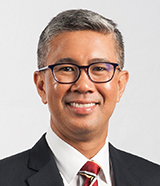
Malaysian investment banking typically pits Maybank against CIMB. This year, despite the sale of half of its investment banking business, CIMB was the name in the lead.
It had a strong year in equity capital markets, completing 16 deals worth $882 million during the period under review, including four of the five largest ECM deals in Malaysia. Two were block trades in a Malaysian bank for an Abu Dhabi sovereign wealth fund; it naturally handled a Khazanah block trade in CIMB shares, but more importantly it was on a block of IHH Healthcare, the biggest healthcare deal in Asean so far this year.
DCM deals included a perpetual sukuk for IJM Land, a project financing bond for Lestari Banten Energy, a sukuk walala for Tenaga Nasional and an exchangeable for Top Glove Labuan. Standouts in M&A were the acquisition of Munchy Food Industries by CVC Capital and the takeover of OldTown by Jacob Douwe Egberts Holdings Asia.
Investment banking is no longer the main engine of CIMB, as group chief executive Zafrul Aziz freely admits, but it is clearly still a strong business.
 |
MongoliaBest bank: Khan Bank |
Mongolian banks have good and bad years to extremes that few other markets endure. And 2018 was one of the good ones, particularly for Khan Bank, whose net profits, at Tug172 billion ($64.9 million), were up 21.2% year on year, mirrored by a 24.7% increase in assets, 24.6% in loans and 26.7% in deposits. Return on equity was 18.9%.
While peaks and troughs are commonplace in Mongolia, Khan Bank stands out for putting in place efforts for the long term. During our review period it secured $167 million in long-term funding, including a $120 million five-year international syndicated loan, allowing the bank to expand.
It dramatically extended its small and medium-sized enterprise loan portfolio and upgraded its internet banking capability. Many customers now use Khan Bank Kiosks, basically self-service banks distinct from branches, while still more use newly streamlined apps.
Mongolian banks are always going to need strong risk management frameworks and Khan Bank sought to improve its methods in credit, operational, cyber and compliance risk in 2018. It set a new risk management policy in accordance with Basel guidelines.
The bank already has the largest footprint in Mongolia, covering 80% of households through 538 branches; its future success will partly depend on migrating many of these users away from those branches and on to digital platforms.
 |
MyanmarBest bank: United Amara Bank |
In a tough environment for profitability, in which some of the strongest names in the business saw heavy reverses, United Amara Bank came up with some extraordinary numbers.
In our review period it almost doubled income year on year while keeping expenses stable, translating into net profit of just over K12 billion ($7.86 million) from under K1 billion a year before – growth of 1,174% in a year.
Seeing these numbers, we set about finding the catch by looking at non-performing loan figures. But the number – 4.83% on a gross basis, under new more rigorous account classification guidelines from the central bank and with no ability to use collateral to offset troubled loans – is decent for Myanmar.
Chief executive Christopher Loh runs a bank anchored on connection, sustainability and change. It was only founded in 2010 and is already producing annual reports that wouldn’t look out of place in Australia or Scandinavia with talk about “humanizing banking”.
The mission statements and talk of good governance are all most welcome, but at this stage it’s the numbers that impress.
 |
NepalBest bank: Nabil Bank |
Nabil Bank wins this award for the first time, not just because of its numbers (which are excellent, net profit up 18.45% in the year to January 2019 and return on equity of over 20%) but because of its commitment to digital innovation in a market that is ripe for it.
Nepal has a level of mobile phone penetration you might find surprising. Nepal Telecom said it crossed 100% (more active mobiles than people) in September. That fact – and a young population under-served by traditional banking – makes Nepal perfect for mobile banking.
Nabil is best placed to benefit. It has tied up with UnionPay to bring QR code payments to merchants, runs a remittance service in partnership with Korea Exchange Bank and provides YouTube tutorials for banking novices.
Beyond phones, it introduced contactless card payment, has built a small and medium-sized enterprise offering in partnership with UKAid and has pioneered bancassurance locally.
 |
New ZealandBest bank: ANZ
|
New Zealand offered some respite from the turmoil of Royal Commission-hit Australia for ANZ. Cash profit in the New Zealand business was up 11% year on year in financial 2018, loans and advances were up 4% and customer deposits 6%.
|
|
|
Shayne Elliott |
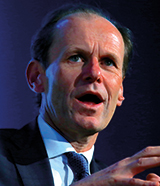
ANZ uses a chart in its annual reports called risk-adjusted performance – net interest income divided by average credit risk-weighted assets – and it’s a telling picture. The bars on the Australian chart trend steadily downwards, those for New Zealand trend steadily up. Impaired assets in New Zealand are shrinking too.
Chief executive Shayne Elliott’s priorities for the year ahead are around service, homeowners and small businesses, automation and the delivery of “a digital bank with a human touch”. Doing so will insulate ANZ from challenges in the Australian market; New Zealand shouldn’t be overlooked by those seeking to understand the bank and its dynamics.
Goldman Sachs advised on more M&A transactions in the review period than anyone else – seven announced deals.
Two of the bigger roles were defence advisory positions, in the takeover of Tegel Group by Bounty Fresh Group and Trade Me Group in its acquisition by Apax Partners. On the buy side, it helped A2 Milk acquire an 8.4% stake in Synlait from Mitsui and Fonterra in its strategic review and acquisition of partner Beingmate’s stake in the Darnum Dairy Products joint venture.
On the sell side it advised Fletcher Building and SkyCity on divestments; and it advised administrators Korda Mentha and CBL in the insurance group’s divestment of Asset Insure to Lombard Insurance.
Among that M&A volume, the capital markets are somewhat secondary, but Goldman was on three equity and equity-linked deals in the review period: a capital raising for Kathmandu, a sell down of shares in Xero by Matrix Capital Management and then a convertible from Xero itself.
 |
PakistanBest bank: HBL (Habib Bank)
|
Muhammad Aurangzeb took on a big job when he left JPMorgan for HBL (Habib Bank) last year. Pakistan’s economy endured a volatile 2018, with a change of government in July taking place amid twin deficits, IMF bail-out negotiations and a fear that reserves were being stretched by the China-Pakistan Economic Corridor and the payments to China it requires.
HBL began a business transformation in 2018 focused on ease of customer acquisition and improved risk management, much of it based on digital technologies. As Aurangzeb told Euromoney in October: “If you are bringing garbage in at the front end, the second and third lines of defence can only do so much. What I learned at JPMorgan is: you own the risk.”
The transformation certainly helped growth. The bank added 2.5 million customers in 2018, with the overall deposit base up 7% year on year. During the review period, the bank started branchless instant account opening on its biometric ATMs.
Outside retail, small and medium-sized enterprise lending grew 33% year on year; the portfolio has doubled in five years and several new products were launched in 2018. Commercial banking grew 21% year on year, despite a volatile policy environment for industry, and the bank is the country’s largest agricultural finance provider.
HBL is also a powerful agent of financial inclusion, with its Women Market Program particularly successful.
Despite the economic headwinds, deals were still there for the daring – and Credit Suisse was on more of them than anyone else. The $565 million syndicated term loan it led for the government of Pakistan was the eighth it had done for the sovereign (a ninth followed later), reflecting a long-term commitment to the country – as did the fact that Credit Suisse put a lot of its own money on the line to do it.
Then there was a $350 million term loan for Pakistan Wapda, the second tranche of which was drawn down in June 2018. This 10-year loan was the first corporate facility in Pakistan with partial guarantees from the ministry of finance and the World Bank’s IDA.
A $50 million block placement in Oil & Gas Development Company was the first-ever block placement by an institutional vendor in Pakistan and a $115 million term loan facility to Pakistan International Airlines rounded out a busy year. In M&A, Credit Suisse advised on the sale of a 17.4% stake in The Hub Power Company.
 |
Papua New GuineaBest investment bank: Credit Suisse |
Believe it or not, Euromoney resists adding new countries to the awards list: there needs to be a meaningful market to assess, otherwise there is little point in the exercise. But in the last 12 months Papua New Guinea (PNG) has elevated itself to importance in the markets.
The landmark was the country’s first-ever international dollar bond, a $500 million 8.375% senior 10-year note issue launched in October. Getting a volatile sovereign – the prime minister has changed again since the bond – into the eye-line of international investors is not easy, but the deal’s order book hit $1 billion within the first hour and eventually reached $3.8 billion from 195 accounts.
Credit Suisse was the sole global coordinator, which should be no surprise to anyone who has followed the bank’s activity in frontier markets over the last few years. It solely funded a $200 million international commercial loan facility in August 2016, upsizing it by $110 million in January 2017 and then by a further $190 million during our review period, in May 2018.
It no longer solely funds these expansions – the latest went principally to Chinese lenders – but still has plenty of its skin in the game, for which it is comforted by the transformative nature of the country’s LNG pipeline and other infrastructure projects.
Unquestionably, Credit Suisse has helped PNG to arrive on the international financial stage.
 |
The PhilippinesBest bank: BDO Unibank
|
BDO Unibank is now the strongest bank in the Philippines by a distance. It is a comfortable leader in total resources, customer loans, deposits and assets under management; it has the biggest domestic branch network; and the highest profits.
|
|
|
Nestor Tan |
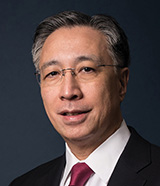
From this elevated base it is still performing strongly, growing 17% in net income in 2018 over 2017; its P32.7 billion ($629 million) return was well ahead of guidance. Loans were up 15%, deposits 14%, fee-based income 30% and insurance premiums 23%, comfortably offsetting declines in trading and FX in a difficult market.
Chief executive Nestor Tan runs a streamlined, efficient and well-placed business. Bad loans are declining and coverage expanding. But he still wants to grow and undertook several large capital raisings during the review period to fund expansion into areas with low banking penetration and to implement the rollout of a strategy to serve micro, small and medium-sized enterprises.
Digital infrastructure continues to develop, while new initiatives included an online stock brokerage platform launched with Nomura and growth in financial adviser coverage through BDO Life.
UBS has the finest foreign operation in investment banking in the Philippines and demonstrated it with a host of important transactions during the awards period.
It showed particular strength in equity, leading a $225 million accelerated sell-down of Ayala Corp for Mitsubishi, a $733 million re-IPO for San Miguel F&B, a P15 billion rights issue for RCBC and another of P60 billion for Metrobank, and a P4.3 billion follow-on for Double Dragon.
Debt deals ranged from the sovereign, with a $1.5 billion 10-year global bond, to banks, with $300 million in notes for Security Bank and a $150 million tap for RCBC.
Most of these deals are for long-term clients. The year included at least the 12th UBS deal for each of Ayala, San Miguel and the GT Group, which owns Metrobank. It is corporate relationships like these that keep the bank at the top.
 |
SingaporeBest bank: DBS
|
Singapore remains very much the engine room of DBS’s regional adventure, accounting for 62% of the record group net profit of S$5.63 billion ($4.12 billion) in the 2018 financial year.
Singapore is where its digital brilliance is invented before it is rolled out in India and Indonesia; it is the heart of its excellent and rapidly expanding transaction services business, its improving small and medium-sized enterprise work and its clever, entrepreneur-focused wealth management offering for the region.
It is also from where the impressive DBS Foundation is run. The bank never stops talking about “reimagining banking”; the home offices in the Marina Bay Financial Centre and a funky tech and innovation hub at Fusionopolis are where the bank’s imagination takes shape.
Given the moribund nature of Singapore’s equity markets, the most important thing that happened there in the review period was a merger of two listed vehicles: the consolidation of two real estate investment trusts (Reits), ESR-Reit and Viva Industrial Trust, for $1.1 billion.
This was the first Reit merger in Singapore and it is already clear it won’t be the last, with a bigger one among members of the OUE group underway. It was a difficult transaction, with a lot of retail investors to convince, but it will be influential, creating the sort of scale and liquidity that Singapore stocks are going to need in a generally illiquid stock market.
Citi was on one side of that deal, Bank of America Merrill Lynch the other, and Citi is the one that rounded it out with the broadest range of other deals during the awards period. (The importance of the deal edges out the two other main competitors for this award, Credit Suisse and DBS.)
Other Citi highlights included advising STE on its acquisition of MRAS from GE for $630 million, the largest aerospace M&A in southeast Asia; equity placements for Mapletree Logistics Trust and Fraser Logistics & Industrial Trust; Reg S bond offerings for Clifford Capital and Temasek – in its first venture in the dollar bond markets since 2012; and, also for Clifford Capital, a $458 million issue of collateralized loan obligation notes securitized by a portfolio of project and infrastructure finance loans.
 |
Sri LankaBest bank: Hatton National Bank
|
Sri Lanka’s Hatton National Bank (HNB) showed evidence of long-term objectives coming to fruition in the awards period. Back in 2014 it set up a dedicated unit to improve processes and cut costs; in 2018 its cost-to-income ratio became the best in the industry.
One sees the efforts to make HNB the best bank it can possibly be across the board: its creation of a chief credit officer position to focus on asset quality, its pursuit of green initiatives and the setting up of a security repository unit to take the documentation burden off branches. Profit per branch and per employee are now both the best in the sector.
In outright terms, HNB’s numbers stand shoulder to shoulder with the biggest entrenched competitors. A pre-tax profit of SLR29 billion ($164 million) beats all but Commercial Bank, a return on assets at 1.52% is a leading figure and return on equity at 13.86% is more than healthy. Non-performing loans, at 2.78%, are the lowest among the bank’s peers and speak to a disciplined loan book.
NDB Investment Bank continues to be the leader in Sri Lankan investment banking.
It acted as financial adviser for Lanka Credit and Business’ acquisition of City Finance Corporation, a distressed non-bank lender; helped Japan’s Sterling Group acquire People’s Merchant Finance in Sri Lanka; and advised on the divestment of a stake in the Weligama Bay Marriott Resort and Spa from the state-managed pension fund to Singapore’s HPL.
In the capital markets, highlights included a tier-1 equity raising for NDB Bank itself, a restructuring of AMW Capital Leasing and Finance for its owner, Dubai’s Al-Futtain Group, and the spin-off of two agricultural commodities companies from Watawala Plantations. Debt was raised for National Savings Bank, HDFC Bank, and in a number of structured debt and listed debenture transactions.
 |
TaiwanBest bank: CTBC Bank
|
CTBC Bank has long stood out for having a plan to deal with an overbanked, razor thin-margin domestic banking business. President Daniel Wu has prioritized international expansion, digital transformation and the acquisition of insurers in order to fortify growth in a difficult market.
|
|
|
Daniel Wu |

Headline figures suggest it is working. CTBC leads the industry for assets, deposits, loans and net income, while non-performing loans, at just 0.22%, are absurdly low.
Over the last year, it has bedded in the purchase of Thailand’s LH Financial Group and established Xiamen Jinmeixin Consumer Finance in China. The bank now operates in 14 countries and regions, with overseas business contributing to 38% of profit in 2018, on track to reach a targeted 45% by 2021.
At home, it’s all about digital. The bank is two years into a five-year strategy on this, and is seeing numbers reflecting the effort. Mobile banking users were up 33% in 2018 and use of the fingerprint at ATMs up by 44%.
Wu says China is the great weakness for his and other Taiwanese banks, hindered by political difficulties, but it will be a priority in the year ahead.
Yuanta Securities continues to lead the market in domestic underwriting. During the review period the house was a bookrunner on 42 issues worth NT$25.3 billion ($806 million), equivalent to about 27% of the market.
Yuanta impresses for its range: IPOs for Chief, LCYT, JMO and Wiwynn, convertibles for SKFH and FDC, preferred share issues for Fubon and Cathay Holdings, and a host of pre-IPO mandates.
Probably the most important was the NT$5.3 billion IPO for Wiwynn, a hyperscale data centre equipment and cloud infrastructure solution supplier. Yuanta has been its financial adviser since 2016 and was sole bookrunner for its listing in March 2019. In retail-heavy Taiwan, 250,000 investors came into the deal, pledging NT$64.3 billion of orders.
Yuanta also wins M&A and financial advisory roles, which in our review period included advising Chaun Choung Tech and its largest shareholder in a share disposal to Nidec; and Inpaq Tech in a private placement to Walsin Tech.
 |
ThailandBest bank: Siam Commercial Bank
|
Siam Commercial Bank relentlessly delivers the best numbers in Thailand. Consolidated net profit, at Bt40.1 billion ($1.28 billion), was the best in the sector; so was its 10.8% return on equity and its 2.85% non-performing loan figure.
The bank spent much of the year investing profits in technology and its transformation programme, which aims to use digital and data capabilities for customer acquisition and service. The plan is to grow unsecured lending for both consumers and small businesses, to build wealth management in partnership with Julius Baer and to invest in disruptive business models through its Digital Ventures subsidiary, which focuses on blockchain and AI.
Two other subsidiaries illustrate where the bank’s thinking is going. SCB Abacus is an advanced data analytics spin-off, while SCB10X is a disruptive unit within the bank aiming to create new customer experiences around, for example, digital lending.
For any bank undertaking this sort of journey questions arise about risk management and staff ability. SCB is insulated by a strong portfolio and has set up an internal SCB Academy to help people shift into digital roles.
For years there has been speculation about bank consolidation in Thailand and during the review period it finally happened when TMB and TBank merged. This is what the government wants to see more of, but a look at the deal shows why it is easier said than done. TBank had to complete a restructuring before the merger could take place.
Bank of America Merrill Lynch (BAML) advised the seller, Bank of Nova Scotia, on the deal. It was the highlight of an excellent year for BAML in Thailand, in which it also advised on Engie’s sell-down of Glow, the first M&A transaction in Thailand to face an anti- trust issue. Like the TMB deal, this was one with potentially great influence on transactions in future.
In equity, BAML was joint international coordinator and bookrunner on the Thailand Future Fund $1.26 billion IPO, the largest IPO in Thailand since 2016; and the IPO of Osotspa. In debt, the bank handled three mandates from the PTT group in the awards period, surely the most prestigious corporate client in Thailand. In ECM in particular, BAML is aided by a successful partnership with local firm Phatra Securities.
 |
VietnamBest bank: Vietcombank
|
GIC and Mizuho-backed Vietcombank continues to go from strength to strength in a vibrant but unpredictable Vietnamese market. Pre-tax profit grew 61.1% year on year in 2018, well ahead of targets, while return on average equity soared to 25.49%.
All the bank’s numbers look good: the cost-to-income ratio, or the closest local equivalent, is below 35%, the non-performing loan ratio has dropped below 1% and there was healthy growth in lending, deposits and credit. As a bonus, the bank recovered D3.27 trillion ($140 million) of written-off NPLs.
This was no accident, the bank has assigned board members to be in charge of branches with a history of problematic loans, strengthening debt recovery and monitoring.
There is a common theme to successful local banks in Euromoney’s Awards for Excellence, they grow without wrecking asset quality and they are first movers in the markets in digital products, particularly for retail.
For Vietcombank, the number of new online banking customers increased by 52.5% year on year in the review period. The bank is delivering well on a 2020 transformation schedule and, in a sign of ambition, has opened in Laos.
Credit Suisse is widely regarded as the best international house for Vietnam deals, apparently unhindered by the fact that it doesn’t have a physical office there.
It was a big year in Vietnam, with the $1.35 billion initial equity offering for Vinhomes the standout deal, the largest-ever frontier markets equity offering. Credit Suisse was not only on that but also on a $310 million raising for Novaland, which was the first-ever concurrent convertible bond and equity placement in Vietnam.
Additionally, it advised Vietnamese corporates on strategic investments by international investors, such as the $853 million GIC and $400 million Hanwha investments in Vingroup, and $265 million from GIC and Mizuho in Vietcombank.
On top of that, as always for Credit Suisse, structured financing was a key fixture, including facilities to Vinfast and FE Credit. The bank has a track record of taking risk on its own balance sheet to support clients in Vietnam and is known for an ability to execute quickly.
Competitors might complain that Credit Suisse wasn’t on another important landmark transaction: the Techcombank listing. But the aftermarket performance of that deal, beset by structural problems caused by odd market structures, means that missing it was not necessarily a black mark.