|
|
|
View the Euromoney 25 |

Halfway through 2017, Barclays chief executive Jes Staley told investors that: “From July 1, we are the bank that we want to be.”
He was referring to the fact that Barclays had completed a long period of restructuring, culminating in the closure of its non-core division, so it made sense.
But it is also the kind of declaration that can end up as a rod for one’s back, giving as it does a clear point from which to judge future performance. It is early days, but with that in mind, how does it stack up so far?
There is no escaping the fact that the bank is subject to a huge distraction in the form of the supervisory investigation that is hanging over Staley himself after his intervention in a whistle blowing incident. At the time of writing, UK regulators had not yet delivered their verdict, although it is expected soon.
Some bankers say the issue dominates everything inside the firm, producing a sense of paralysis. But that is far from being a universal feeling: there are plenty for whom such a pessimistic view does not square with a year of achievement and (at long last) positioning for growth.
So, what has been achieved? The restructuring has seen the bank sell most of its stake in Barclays Africa, offload £95 billion ($127 billion) of risk-weighted assets, sell 20 companies, close its operations in 12 countries and reduce headcount by 60,000.
|
|
|
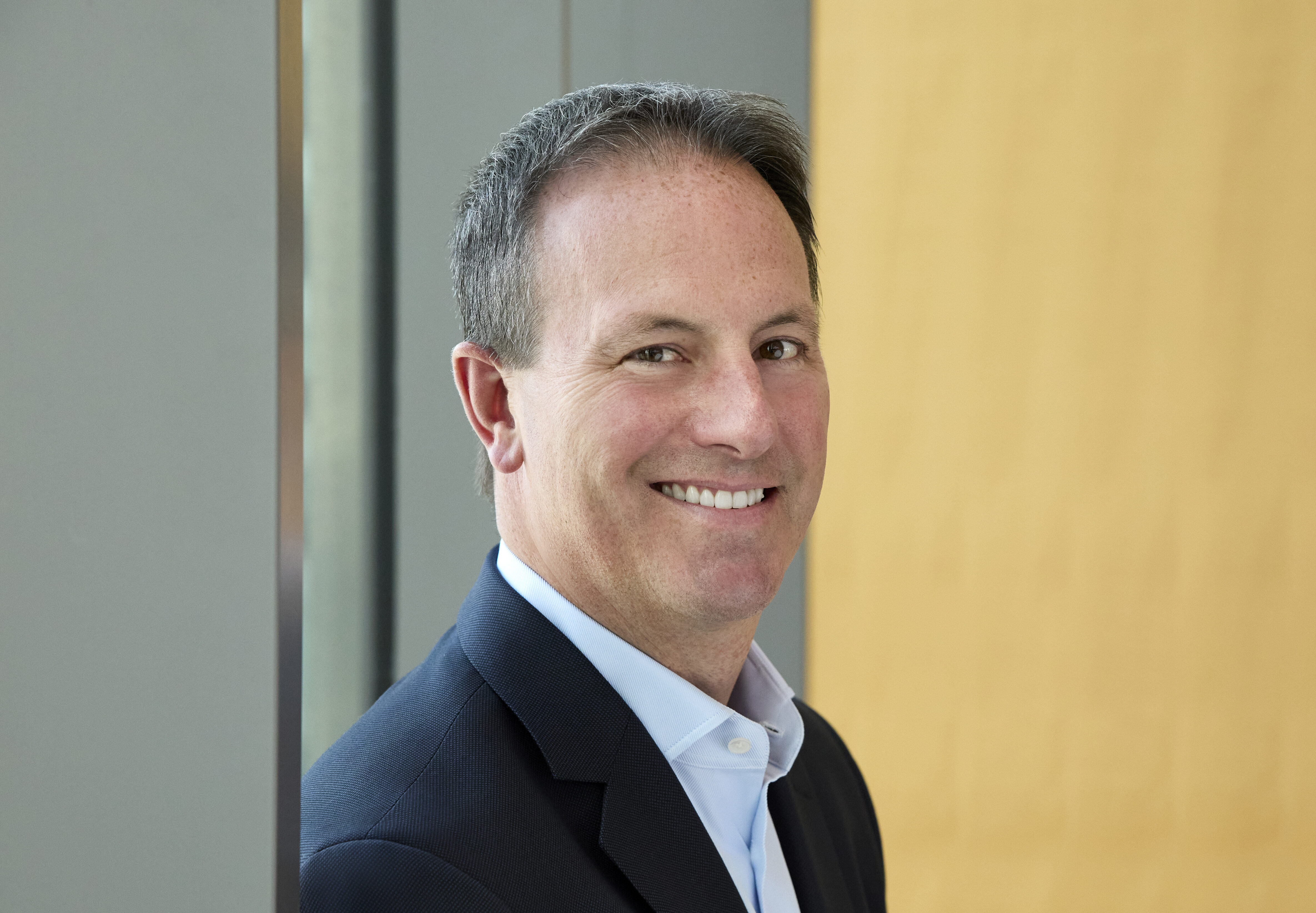
Jes Staley |

“We’re done restructuring Barclays,” Staley told investors. “Non-core is over.”
It is hard to overstate how much that matters inside Barclays, and it is something that even those at the firm can lose sight of. It matters to shareholders too; the burden of non-core has been the biggest drag on returns.
Of all the numbers that Barclays has reported this year, the most important might be its 13.1% common equity tier-1 ratio.
It matters because it is just above what Barclays calls its “end-state target” of 13%. With its capital position stabilized, the bank can now get on with its priorities – rebuilding a credible transatlantic consumer, corporate and investment bank, and getting to a return on tangible equity of above 10% in 2020. ROTE was 7.1% for the first nine months of 2017, excluding a loss related to the Barclays Africa disposal.
The corporate and investment bank, run by Tim Throsby, had two main tasks last year: sorting out the bank’s secondary markets businesses, which had gone backwards for several years; and putting in place a sustainable structure for banking.
On the banking side, Throsby appointed a global head in Joe McGrath, and eventually settled on expanding Reid Marsh’s Asian banking role to include EMEA, a region that remains a work in progress. He also pulled Jean-François Astier out of leveraged finance to be global head of capital markets.
In the corporate bank, he picked two new co-heads in ANZ import Alistair Currie, COO and head of product, and Alisdair Gayne, the well-regarded head of UK investment banking.
The new team is not starting from zero. Barclays posted some £2 billion of investment banking fees in the first nine months of 2017 – a record for the firm. In the US, it is still outside the top five, but it is number one in the UK. M&A and equity capital markets remain areas where more work is needed, but a business like the risk solutions group, which includes areas such as corporate equity derivatives, will be quicker to ramp up.
The markets business posed a tougher structural challenge. Throsby has moved existing head Joe Corcoran to an advisory role and – after several months of running the business himself – appointed four heads of the individual areas of credit, macro, sales and equities.
People weren’t the only resource he needed. Throsby has made no secret of the fact that he wants the secondary business to be more aggressive, and he will be helped by having his firepower boosted. Staley has announced the reallocation of some £20 billion of low-earning risk-weighted assets from the corporate bank into the markets division, along with an additional £50 billion of leveraged balance sheet.
Throsby tells Euromoney that building continued momentum in the markets business will be the biggest task: “Not just quantitatively but also symbolically, in that it will be the leading indicator of whether clients like our strategy”.
While Staley and Throsby might be pleased at the direction of travel now, it is worth keeping some perspective.
A lot of what Barclays management is pleased about is taken for granted elsewhere – a full complement of business heads, no huge portfolio of unwanted divisions and assets, conversations about where one might find growth instead of what is core and non-core.
Internally it might feel like revolution: from the outside, it can look more like catch-up. The next year will show which is closer to the mark.