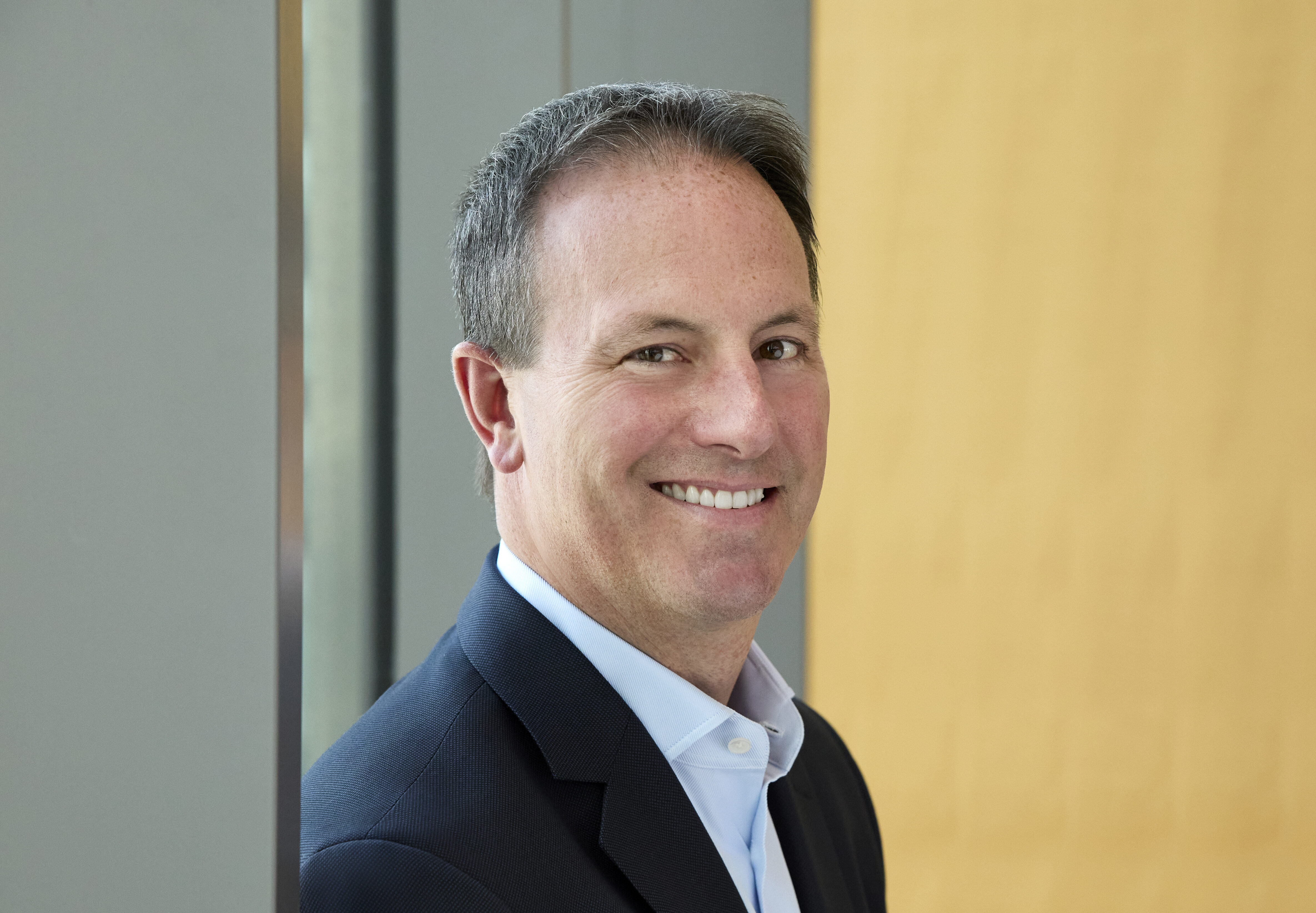
The financing of Nigerian energy company Oando’s acquisition of a 49.8% stake in two offshore oil blocks owned by Royal Dutch Shell was due to close at the end of March, according to Wale Tinubu, the company’s group chief executive.
The transaction marks the first time a local company has bought oil production assets from a multinational operating in Nigeria.
The $625 million deal consists of $250 million equity from Oando, a senior debt portion of $200 million linked to the field’s reserves, and a mezzanine portion of $175 million. Financing has been arranged by a consortium of banks led by Standard Chartered and including Merrill Lynch, Standard Bank and BNP Paribas. Both loans have a maturity of five years. The senior debt will be paid down on a quarterly basis from existing oil production. The mezzanine loan carries a higher interest rate, a moratorium on principal repayment in the first year and the option of deferred interest payments.
“Everything is fully underwritten,” says Tinubu. Oando plans additional capital-raising, particularly in the local markets, although Tinubu is unwilling to divulge exactly what form it will take. “We will exploit and exhaust Nigerian opportunities,” he says. “There may well also be an international tranche.”
One of the fields, OML 125, is already producing 40,000 barrels a day, of which Oando’s share is 18,000, but this will double to 36,000 barrels a day within 18 months. Tinubu will use excess cashflow and shareholder loans to pay for exploration of the other field, OML 135, which has already recorded significant discoveries, according to Oando.
The move by Oando surprised some analysts, who regard the company as predominantly a local operation focused on downstream activities. It is Nigeria’s top petrol retailer, as well as having strategic investments in energy companies throughout West Africa. So why is it moving upstream into an area that it is not familiar with?
“The upstream is a better business to be in,” says Tinubu. “We need to be in the business that gives us the largest yield. Margins are slim downstream. There is nobody in Nigeria doing an integrated energy system.”
In addition to the two former Shell blocks, Oando has a majority stake in two other blocks, 736 and 278, and a 5% stake in another field. “We want 75% of our revenues to come from upstream in the next 24 months. With this model we can double our profitability every 24 months.”
These moves have been well received by investors. The company is listed on the Lagos and Johannesburg stock exchanges and the share price has risen markedly. “I think investors are beginning to appreciate what an integrated platform means,” says Tinubu. “We will be able to deploy our resources across this platform.”
This kind of ambitious thinking will lead to many financing opportunities for international and local banks. Several Nigerian groups, as well as Chinese companies, are looking to expand into offshore production. China’s CNOOC is understood to have bid for the two Shell fields too. Nigeria has yet to get to grips with its electricity-generating needs, although the government has made this its top priority.