Libya has Africa’s largest oil reserves but last year it was only the continent’s third-biggest producer. So the decision of Bahraini Islamic investment bank Gulf Finance House to invest $400 million of initial equity into an energy infrastructure project there is understandable. This is especially so given that the bank says it will not be surprised if the Libyan government’s Economic and Social Fund, which is advising on the project, makes a similar sized equity injection. Libya’s National Oil Company is seeking to increase oil production by 1 million barrels a day in the next four years, while doubling the country’s gas capacity.
“Western companies [in the energy sector] want to do business with Libya but they don’t know how,” says Jinesh Patel, senior executive director at Gulf Finance House.
Patel hopes Energy City Libya will help companies like this: those, for example, in the services and downstream sectors of the oil and gas industry, or other energy companies that are too small or too new to Libya to have their own premises. The bank has hired Qatari architects and engineering consultants MZ and Partners to help it develop the plans and implement the basic infrastructure for the new Energy City. Once this has been done – once the roads, sewerage and telecommunications are in place, and the company has been set up – developers that have paid for the land will then build to a blueprint. Patel says the total value will be $5 billion for the completed project. It will include commercial, residential, retail, and leisure space, and will be built on a six square kilometre piece of land 70 kilometres west of the Libyan capital, Tripoli.
“Our principal goal is to nurture projects that offer tangible benefits to the people of Libya and sustainable growth within the wider economy,” said Hamid El Ihtheri, head of the Economic and Social Fund of Libya, in a statement.
To gain its contribution to the Energy City’s equity, Gulf Finance House has tapped its standard investor base. This includes more than 3,000 Arab Gulf high-net-worth individuals, as well as Gulf institutional investors, including sovereign wealth funds and power and energy companies linked to Gulf sovereign funds. He says the bank will be looking for an exit for investors in three to five years’ time.
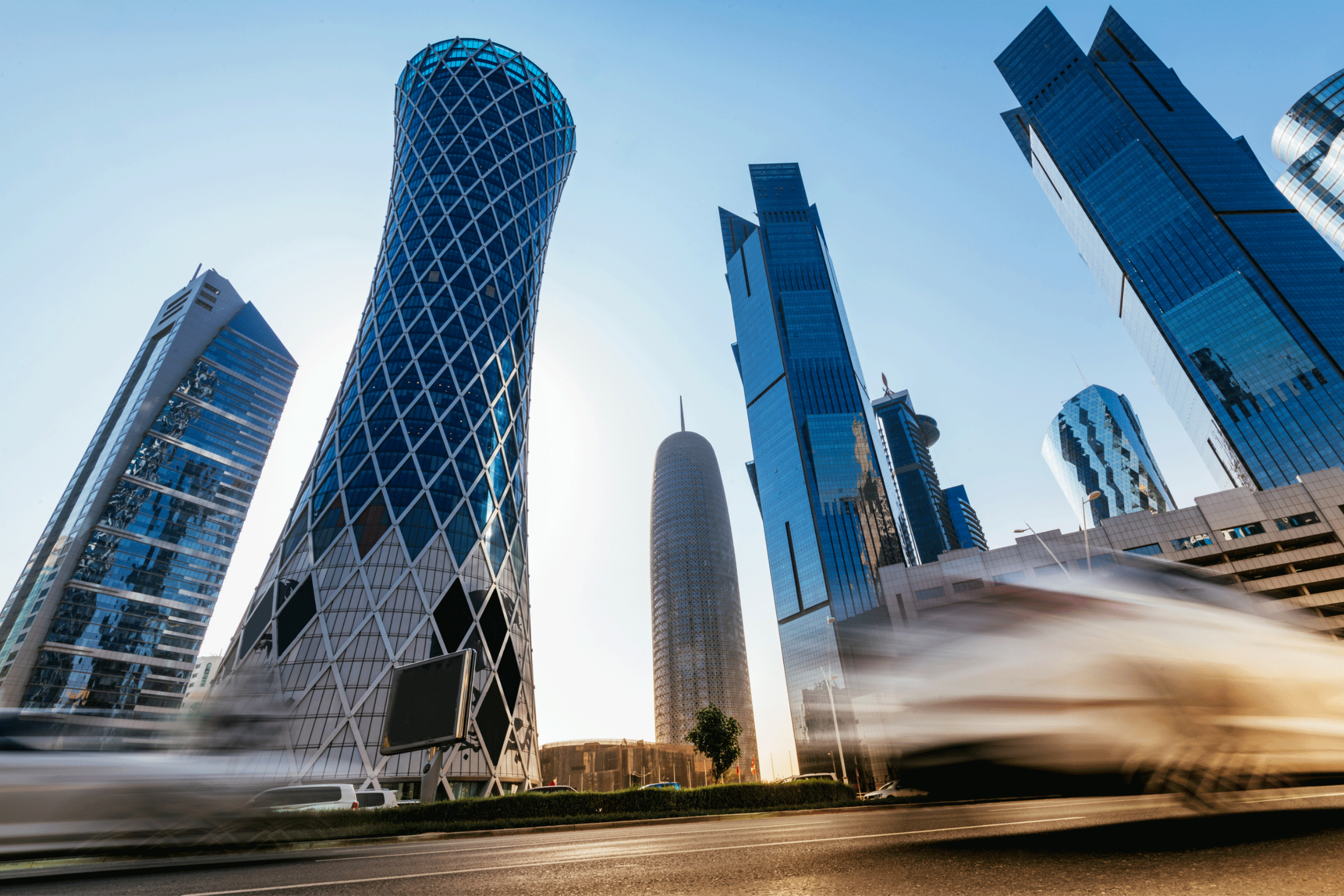
This is the third and largest Energy City project unveiled by Gulf Finance House. It is one of the largest foreign direct investments ever made in Libya, according to Patel. The Gulf bank’s first Energy City was in Qatar. The second was in India, near Mumbai, as part of a larger economic zone. There is a fourth Energy City project in the discussion stage for Kazakhstan.
“We worked in alliance with the Libyan national oil company to put the [Libyan] project forward. They are already investors in some of our products therefore it was relatively easy to open the door,” says Patel.