 |
|
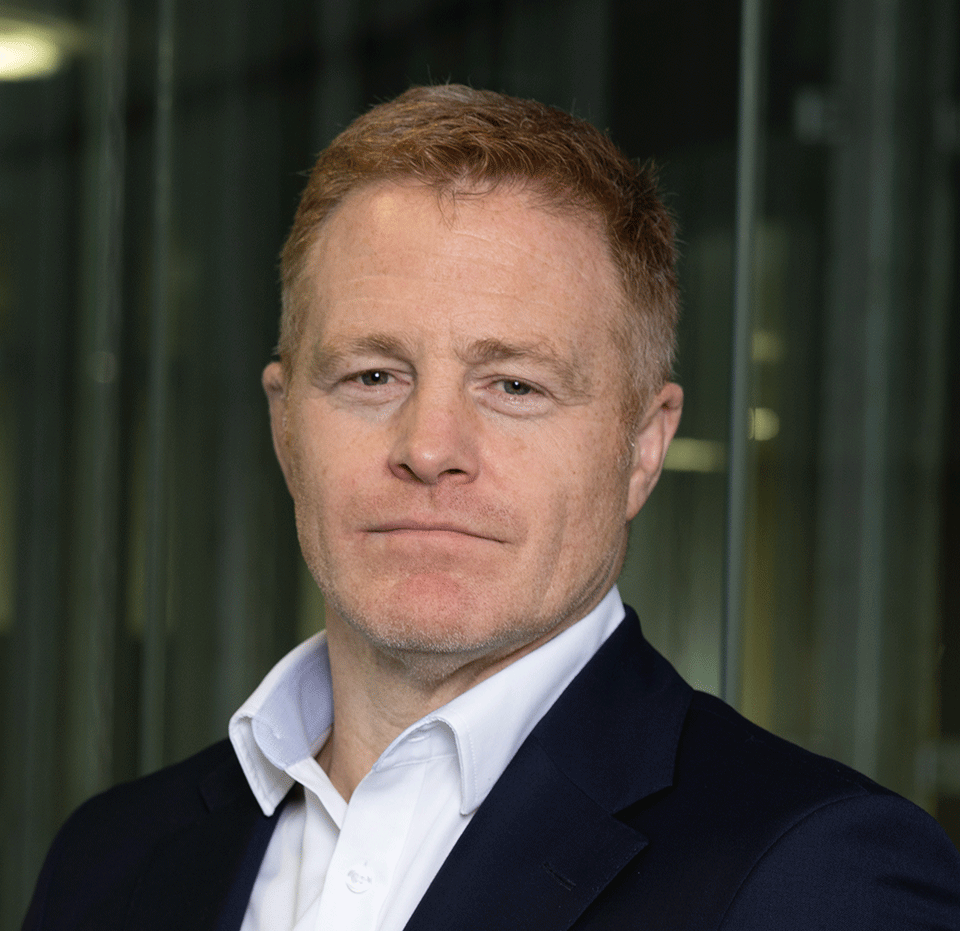
Tennes: PetroKazakhstan has had difficulties |
KAZAKHSTAN HAS IN recent years prided itself on outrunning Russia in financial sophistication. The sovereign is higher rated, the debt markets arguably more innovative and the private pension fund sector far more developed. The financial regulatory infrastructure of the market is considered the best in the former Soviet Union. However, in one area, Russian capital markets have stolen a lead on Kazakhstan – IPOs. Although about $3 billion in new issues has come from Russia in the past two years, Kazakhstan has barely had any IPOs at all. This despite the country having a domestic pension fund system to rival that of Poland, which has the most IPOs of any eastern European country.
This situation might be about to change, as some of the biggest Kazakh companies are preparing for foreign listings later this year. The juiciest offering looks set to come from KazMunaiGaz (KMG), the huge state-owned oil and gas monopoly. A subsidiary of the company, KazMunaiGaz Exploration and Production, is preparing to list 40% of itself – 20% on the London Stock Exchange and 20% on the Almaty Exchange.
The deal, scheduled for the fourth quarter, will be lead managed by local advisory firm Visor Investment Solutions, with CSFB and ABN Amro handling the international listing. Aidan Karibjanov, managing director of Visor, declines to say how much he thinks the listing will make, but he says he expects the deal to be the biggest IPO yet from the former Soviet Union.
Why the listing in Kazakhstan? Karibjanov says the deal will be the first equity offering to tap into the booming domestic pension fund market. “Kazakhstan has managed to create a Chile-style pension fund market,” he says. “It has between $500 million and $1 billion in assets, but it’s growing extremely quickly – my guess is by $100 million a month.”
Nonetheless, the funds suffer from a lack of instruments to buy. They have to invest 50% of their funds in government treasuries, and the rest goes to Eurobonds or loans from the Kazakh central bank. “This offering will give them exposure to the Kazakh oil and gas market,” says Karibjanov.
He expects the foreign listing to be equally successful. “There is a certain hype for Kazakhstan right now. I think foreign investors already know the Russian market well but Kazakhstan is considered more attractive. It’s more stable politically, is less driven by geopolitical events, and is more pragmatic.”
And, of course, the offering could give investors exposure to KMG’s huge reserve base, which includes enormous oil fields such as the onshore Tengiz field and the offshore Kashagan field, the biggest oil find of the past 20 years.
Both CSFB and ABN Amro declined to comment on the deal. Other banks expressed some surprise that an attempt would be made to launch such a big offering on the local market. One Kazakh banker also expressed unease at the local listing, suggesting that it might have more to do with local politics than market economics.
However, Karibjanov says the IPO is designed to raise equity for the company to invest in large consortium projects such as the Kashagan project, as well as to acquire new oil companies. He adds that the local infrastructure is more than adequate to take such a big transaction. “The custodians, the brokers, and clearing system are all in place. The only problem is the lack of buyable equity,” he says.
Another oil and gas banker says it remains to be seen exactly what assets will be included in the subsidiary being listed. It certainly won’t include the company’s transport infrastructure, but an important issue for investors will be whether it gives exposure to KMG’s large reserves.
 |
|
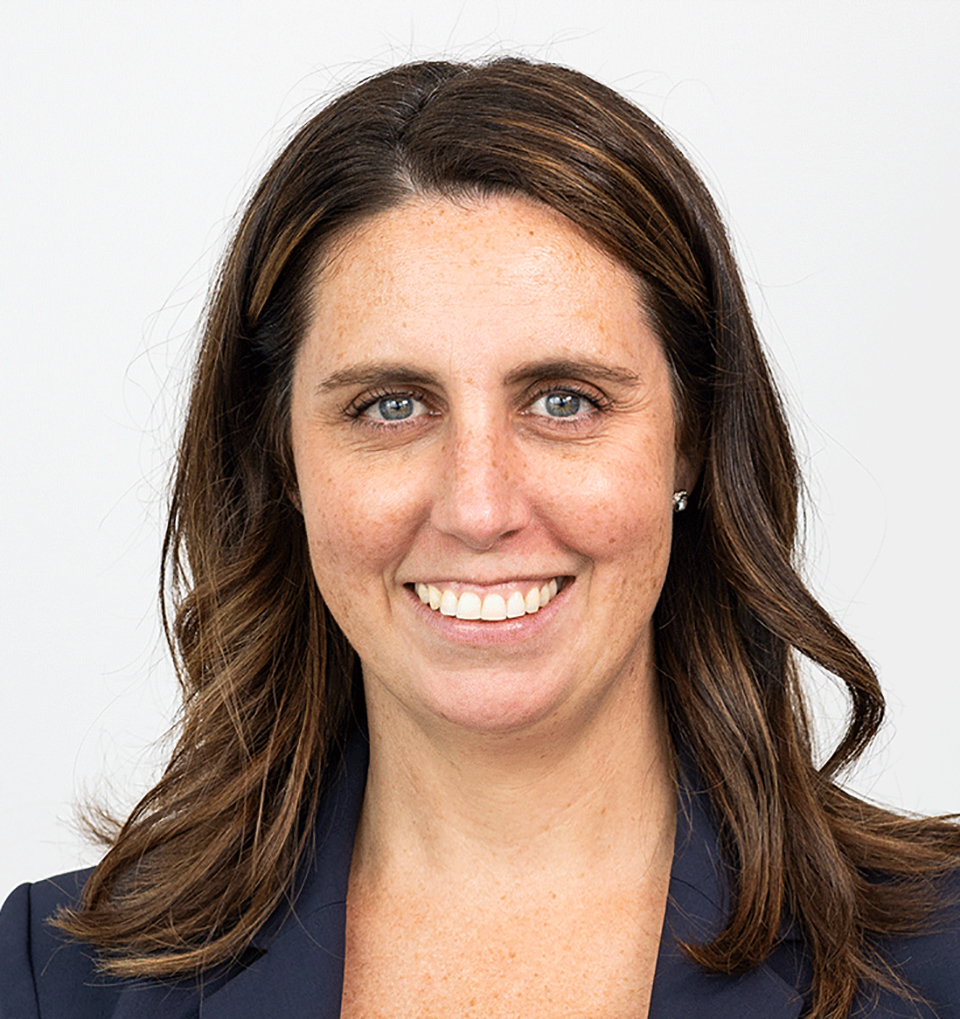
Rubinstein: Kazakh equity is more difficult to analyse than Russian |
International marketing of the deal will also be crucial. Karibjanov might have overestimated equity investors’ enthusiasm for and knowledge of Kazakhstan. Although fixed-income investors are now quite comfortable with Kazakh risk, the same does not seem to be the case with equity investors. Liesbeth Rubinstein, head of EMEA business at Schroders, says: “I would imagine it’s a more difficult market than Russia, for example. It’s not a market I’m looking at closely now.” Nerea Heras-Mendaza, emerging Europe fund manager at Axa WF, says: “Russia isn’t that well known among equity investors, and Kazakhstan is even worse. Any Kazakh issues will have to come at a premium to Russian stocks to make investors take the step into a new market.”
The Kazakh stock that is most familiar to foreign investors is PetroKazakhstan, the oil and gas company listed on the Toronto Stock Exchange. But it has had a chequered history over the past 18 months. It has clashed with the Kazakh government, which sued it for selling its petroleum products at above the fixed price. The Kazakh government has demanded $100 million in penalties.
The company has also been caught up in a bitter legal battle with one-time partner LUKoil, which is suing the company for $200 million. These battles drove the stock price down by about 40% from May 2004 to May 2005. “PetroKazakhstan has been through its own personal hell over the past year,” says Chuck Tennes, fund manager at Alfa Capital.
However, the stock has risen 30% since June, thanks to rumours that the company was about to be taken over, either by KMG or by a foreign company such as India’s ONGC or China’s CNPC. (A $4.18 billion acquisition by CNPC has now been confirmed.)
The pick-up in PetroKazakhstan’s share price has helped buoy what positive sentiment there is towards Kazakh equity, and prevented the company from turning into Kazakhstan’s own Yukos case. One banker says: “It’s quite a different situation to Yukos. The management haven’t been thrown in prison, and shareholder value in the company has not been destroyed.”
If the KMG deal is successful, other IPOs will probably follow. “I would expect to see some big, successful deals over the next six to nine months,” says Tom Ahearne, head of equity capital markets syndicate at CSFB.
The US bank is also advising Kazakhmys on its planned London listing later in the year. It is the largest copper company in the former Soviet Union, and the deal could be of a similar size to the KMG offering. Bank TuranAlem (BTA) is the local adviser on the deal. “It will be a very big deal, and I think it will be very interesting for foreign investors. This is one of the biggest copper companies in the world,” says BTA chairman Saduakas Mameshtegi.
Several banks are also looking at listings, such as Kazkommertsbank, Bank TuranAlem and Bank Centercredit. “The Kazakh central bank’s rules on capital adequacy ratios are quite tough. Banks are trying to raise equity to continue the rapid growth of their corporate and consumer portfolios,” says Timur Ishmuratov, managing director of Bank Centercredit.
Partly, Kazakh banks are doing this through subordinated bond deals. Kazkommertsbank, Bank TuranAlem and Bank Centercredit are three that have undertaken subordinated debt deals over the past 18 months. However, banks are now looking seriously at foreign listings as another way to raise equity.
“It won’t be easy for some banks, because their corporate governance is not quite there yet,” says Ishmuratov. “For us, it’s a medium-term goal.” Karibjanov says he expects Kazkommertsbank to be the first to offer shares, listing perhaps 25% of the company on the London Stock Exchange later this year.
With three of the company’s blue chips all set to list towards the end of the year, the Kazakh story might finally get foreign equity investors’ attention. Ahearne says: “Once one or two deals are successful, I would expect more capital flows to go to Kazakhstan, and more deals to come.”
| Forthcoming Kazakh IPOs | |||||
| Company | Industry | Stake to be sold (%) | Amount (est. $mn) | Listing | Bookrunners |
| KazMunaiGaz | Oil & Gas | 40 | 6,000 | LSE; Almaty Stock Exchange | ABN Amro; CSFB; Visor Investment Solutions |
| Kazakhmys | Copper | 20 | 1,000 | LSE | CSFB |
| Kazkommertsbank | Bank | 25–35 | 150–250 | LSE | Not announced |
| Bank TuranAlem | Bank | Not announced | Not announced | LSE | Not announced |
| Centercredit Bank | Bank | Not announced | Not announced | LSE | Not announced |