 |
|
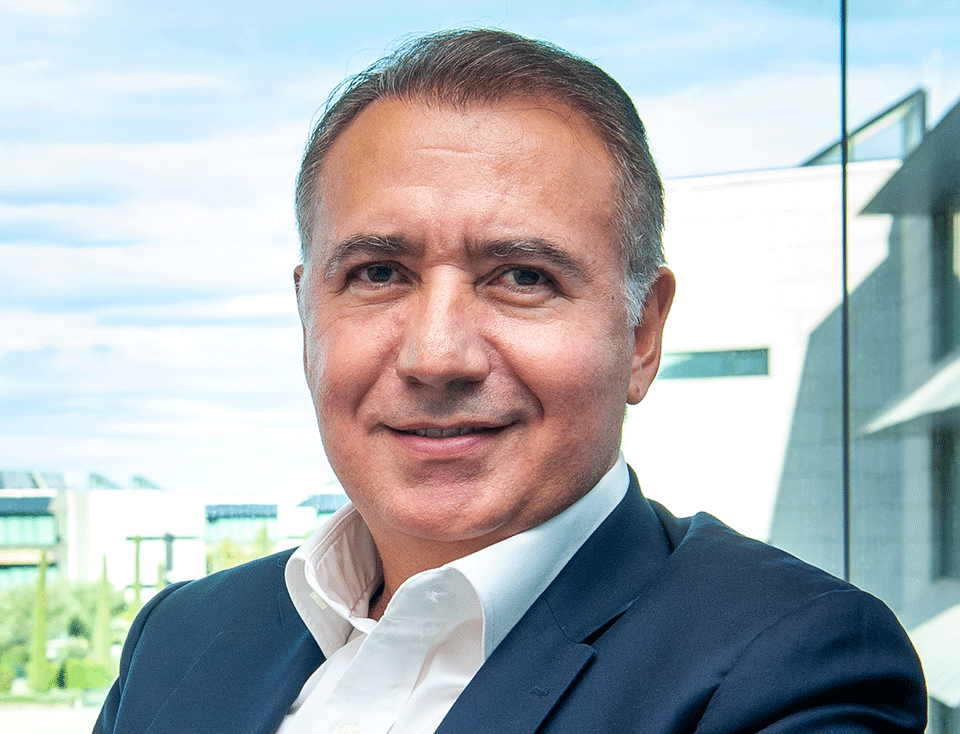
“We have striven to diversify our sources of funding and consider doing so extremely important.” Bjarni Armansson |
In the context of the extraordinary growth of the Icelandic banking market, being labelled “the conservative bank” by market observers is hardly an accusation of inertia. The label has arisen, in part, because Íslandsbanki has focused its international expansion efforts on organic growth in specialist areas such as fishing, sustainable energy industry and offshore supply.
In January, Íslandsbanki made its most significant overseas acquisition yet with the purchase of commercial bank BNbank in Norway. “We are basically doubling in size with our acquisition,” says Bjarni Armansson, CEO. However, he adds: “Having made our acquisition we are going to focus on integration rather than seeking external growth for the rest of the year.”
Íslandsbanki is similarly cautious when it comes to its funding and is protective of its rating, according to Armansson. In May, Moody’s downgraded the financial strength rating of the bank from B– to C+ having put it on review for possible downgrade in connection to the bank’s bid for BNbank in Norway. However, Íslandsbanki’s A1/P-1 credit rating was affirmed at the same time.
Would the bank consider buying a savings bank in order to increase its deposit base? “We have given it some thought,” says Armansson, “but it is not on the agenda at the moment – not least because of the need to integrate BNbank.” He adds, “For the time being we are focused on using capital markets as a tool for funding rather than a traditional deposit base.”
To that end, Íslandsbanki has used its EMTN programme as its major funding vehicle and has also established an issuance programme in Australia, where it launched its first deal in May, and in the US, where it completed its inaugural issue in July. “We have striven to diversify our sources of funding and consider doing so extremely important,” says Armansson. “We see promotion of our name and story as a constant process in order to access the widest possible investor base.”
“All markets fluctuate and you constantly have to explore where the markets are, what are your sources of funding and what is your value proposition,” he says. “Traditionally a big part of our funding came from Europe but with the huge growth of the US trade deficit Asia has become more important. Our conclusion is that the only real long-term sustainable answer is diversification in assets and geography.” Íslandsbanki also remains active in the bank market and aims to keep its options open.
Like many senior managers in Iceland, Armansson, at 37 years old, is extremely young to run an international operation – amazingly he has been in the position for eight years – but he says that the management team at the bank has flourished given opportunities that would normally only have occurred later in their careers. And he says that any suggestion that Íslandsbanki, or other major Icelandic banks, is weak on risk management as a result of management’s relative youth is mistaken.
Is there a danger of the Icelandic banking market overheating?