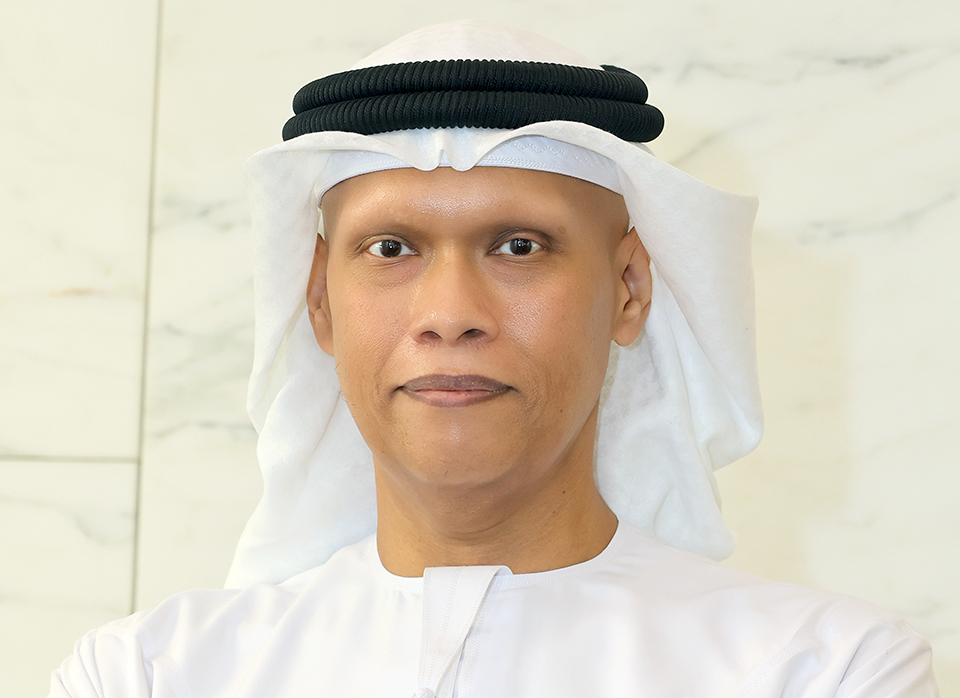
Syndicate Asset Management’s acquisition of Ashcourt Holdings for £13.1 million ($23.7 million) might signal a new approach in the UK fund management industry, marked by a shift towards the consolidation of small funds.
SAM, set up in March by Equity Special Solutions, a company listed on London junior market AIM, intends to acquire small funds with the goal of bringing “some billions” worth of assets into its portfolio, according to Jonathan Freeman, a director at SAM.
John Morton, chief executive at Ashcourt, says the merger “will be the first of a flow of many”. He estimates that with the remaining equity available, SAM could accumulate approximately £1.5 billion in assets. It has already pulled in £600 million with the acquisition of Ashcourt.
Ashcourt and any further acquisitions, Freeman says, would retain their respective brands, but would integrate their operations and back-office divisions in an effort to benefit from economies of scale.
“Over a period of two to four years, you can definitely create economies of scale,” says Freeman. “You do not need two human resources departments, or two heads of compliance. You only need one.”
However, Richard Phillipson at research and consulting company Investit argues that economies of scale are hard to achieve in fund management. “The work we do shows that it tends to be very difficult to bring out economies of scale, but that’s what they are trying to do,” he says. “Maybe some of them are achieving it, but there are plenty who aren’t.”
Phillipson is not alone in doubting the benefits of acquiring various asset management companies in an effort to consolidate. Hendrik DuToit, chief executive at Investec Asset Management, says: “It’s better for the medium-sized guy to go to large providers of back-office services rather than band together to form a sub-scale unit. The exception, rather than the rule, is the successful agglomeration of multi-brand funds.”
Freeman at SAM says his company will avoid the mistakes made by predecessors that have opted for acquisition rather than organic growth, particularly the tendency to impose their own front-office image on the firms they acquired. “We’re not saying SAM knows how to drive businesses forward.
Ashcourt clearly knows how to drive its own business,” he says. “When you impose upon businesses that you’ve bought, they don’t like it. That’s how you lose clients, fund managers and good will. We believe we can avoid those issues.”
Freeman at SAM and Morton at Ashcourt both declined to give details of any other negotiations with potential targets for SAM.