 |
|
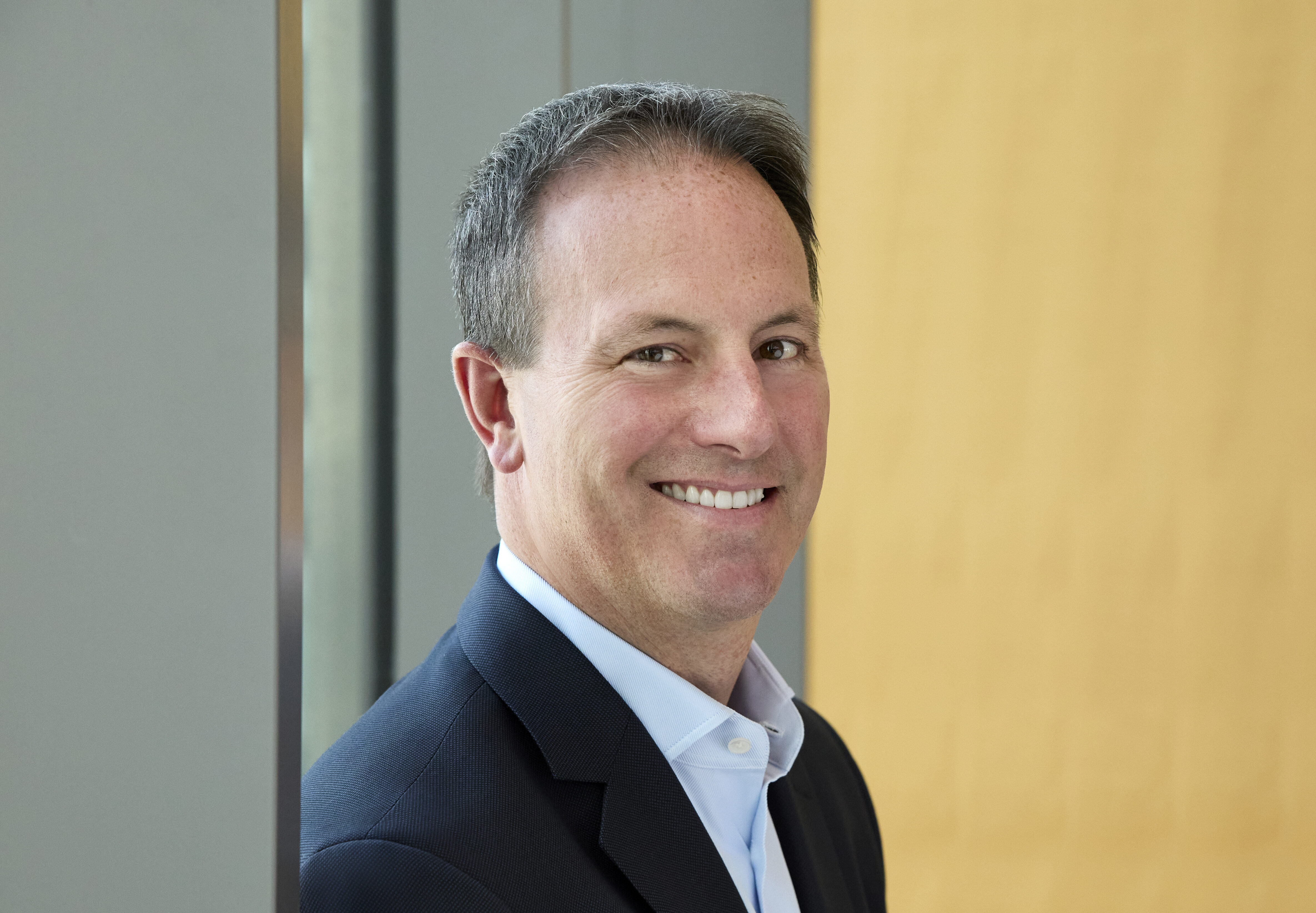
Bryant Edwards Chairman, European High Yield Association |
The European High Yield Association is celebrating its fifth birthday this year under new management. Bryant Edwards, an American corporate partner in the London office of US law firm Latham & Watkins, became its new chairman last November. It has also appointed four new directors: James Amine, co-head of global leveraged finance at CSFB; Eric Cap, managing director of high-yield capital markets at JPMorgan in London; Tim Flynn, London co-head of leveraged finance at Goldman Sachs; and PricewaterhouseCoopers partner Michael Berkowitz.
?We wanted to re-energize the EHYA and make it more relevant to the market,? says Edwards. ?It had faded a bit but the high-yield market has been so strong in the last two years that there’s been renewed interest in the product.?
A need for simpler structures
As an American in Europe, Edwards has clear views on what the market needs. ?We ought to simplify European leveraged finance structures,? he says. ?Right now we have a complicated mixture of structural and contractual subordination and it’s just too hard for investors to understand. Even lawyers don’t understand it.? A simpler structure should cut costs.
Does simpler mean American? US deals have traditionally given subordinated investors more explicit contractual rights. ?My view is we should go to more of a US structure,? says Edwards. ?The senior banks are better off that way, too, although they have a hard time understanding that. Just using structural subordination, high-yield investors can exercise remedies at holding company level, unfettered by the senior debt. I think the market will get there.?
The EHYA has already helped subordinated investors get a better deal in Europe. At the end of 2002, board members Craig Abouchar and Angus McMahon of Insight Investment, and Sarah Halbard of Intermediate Capital Group helped coordinate the threatened buyers’ boycott unless deals were more accommodating.
?European high yield always used to be issued at holding company level as preferred equity,? says Bryant. ?Now it’s a real debt security which almost always gets upstream support through guarantees or property security. The association deserves a lot of credit for that.?
The EHYA was set up in 2000, the same year Bryant relocated to London from Los Angeles. In LA, he saw high yield burst onto the scene in the 1980s, when Lathams regularly acted for Drexel Burnham Lambert.
?It was an exciting period,? Edwards recalls. ?There was not one single public company that was protected from a hostile bid that had Mike [Milken]’s backing.?
That arguably led to cost-cutting and clearer focus on the bottom line. Edwards thinks the same thing is happening in Europe, where companies such as Shell are selling off chunks of their businesses to private-equity firms. ?There were actually more private-equity sponsored acquisitions in Europe than in the US last year,? he says. ?That’s a big switch and it is directly related to the availability of high-yield finance making large acquisitions viable. The market is putting pressure on large, inefficient, bureaucratic European corporations.?
Edwards knows the high-yield market from the sharp end. Last year he advised Cognis and Grohe on high-yield deals that totalled e680 million. (Cognis also included a groundbreaking e235 million tranche of floating-rate second-lien notes.)
Lathams also advised CSFB, Goldman Sachs, and JPMorgan as underwriters of the e545 million high-yield financing of Apax and Cinven’s buyout of the telephone directory business of Dutch company VNU.
At eight times ebitda, VNU’s debt package prompted Fitch to issue a warning about excessive leverage in European buyouts. Many commentators predict a large default by at least one highly leveraged borrower in 2005. Although the terms of individual deals are outside its remit, this has not gone unremarked at the EHYA.
?I doubt as an association that we’ll ever express a view on pricing,? says Edwards. ?But as people with an interest in the market, we don’t want to see it overheat then crash and burn.?
That said, the market today is not underpriced as it was during the telco boom. VNU’s debt package also includes e100 million of payment-in-kind (PIK) notes. Issued at holding company level, lacking credit support and constituting the riskiest part of the capital structure, they had to be priced correctly. ?Leverage is getting high, and risk is getting high, but the market is pricing that risk,? says Edwards. ?On VNU, the PIK notes got 13.75% in a low interest rate environment. Investors are going in with their eyes open.?
The EHYA also wants to push for more standardized and predictable insolvency laws. Again, the sometimes unspoken assumption is that the US model should be copied. ?Those of us with a US orientation would hold up Chapter 11 as a model,? says Edwards. ?That’s a long-term project and it might be too ambitious to think that we can change those laws, but it is certainly an area of interest for subordinated investors.?