Economics, not the demands of regulators, will drive the future of research, which will involve investment managers doing more of their own analysis and also a greater integration between equity and credit research.
These were the points of broad agreement of about 100 fund managers, brokers, and investment analysts at a conference organized by AQ Research in London last month to discuss the future of financial research.
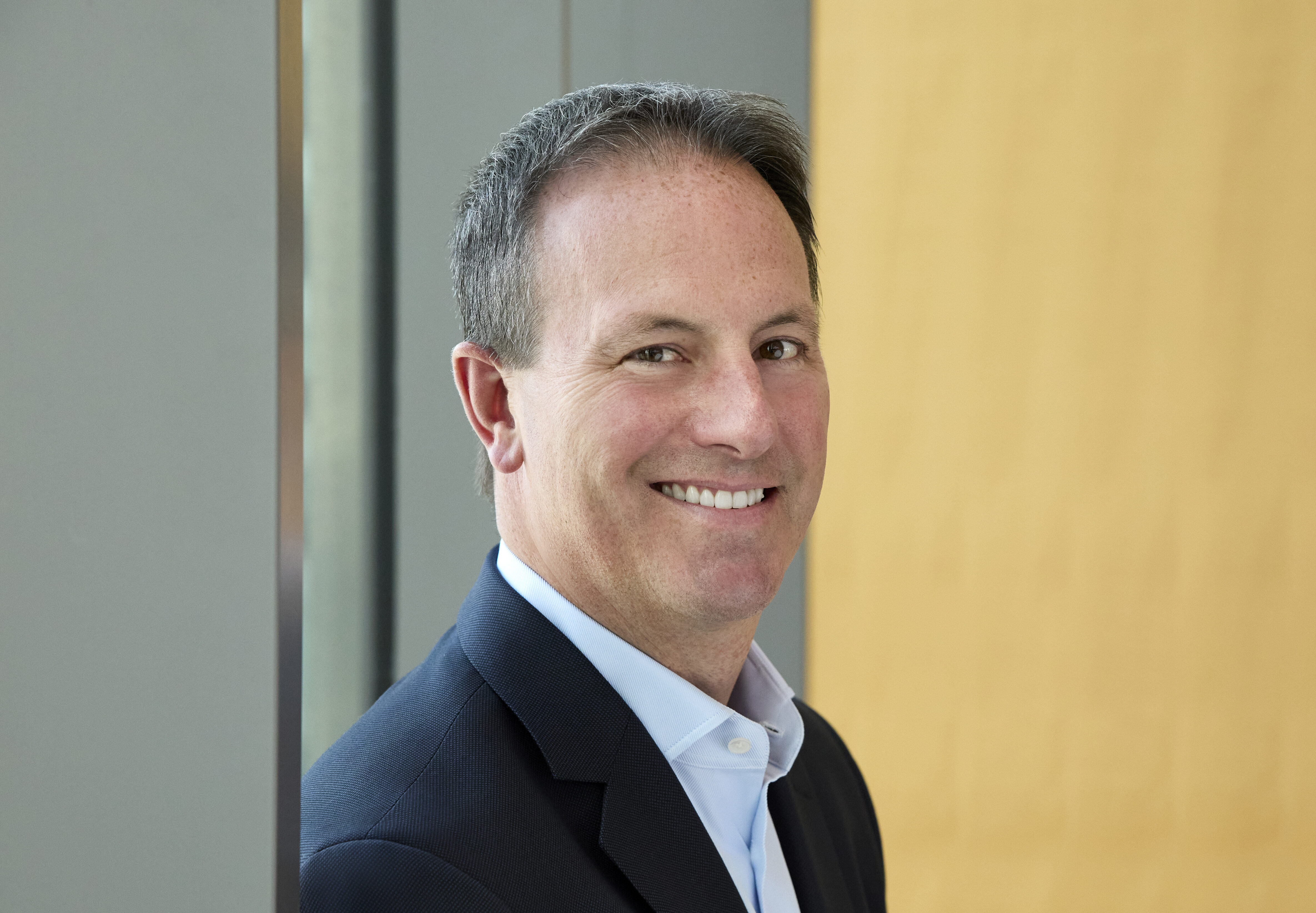
“The future of research will be driven by economics not regulation,” argued Lindsay Tomlinson, chairman of the UK Investment Management Association and vice-chairman of Barclays Global Investors, in his keynote address. “Research will be located in the most economically rational place, the buy side, because fund managers have the most incentive to do good research.”
Although it might make sense for fund managers to produce more of their own research because it can be a source of competitive advantage, economics might not yet be able to sort out the mess that fund managers and brokers have got themselves into about the future of broker research.
“Economics will win out but the first thing we have to recognize is that the industry is in a mess,” said Barry Marshall, chief operating officer (investment division) at Gartmore. “We are in a mess because the pricing mechanism for research and execution isn’t working. The first step is to understand what the cost structure is. Investment banks have spent a fortune on trying to work this out but they aren’t exactly on top of their costs in the way that Tesco is.”
Economics cannot sort out the supply and demand problems of broker research if no market price can be found. A market price has proved elusive, despite the efforts of regulators, particularly the UK Financial Services Authority, because most investors are still clueless about their levels of consumption and the utility they derive from it.
Pricing conundrums
“Research is the fundamental base for our own investment performance,” said Robert Parker, deputy chairman of Credit Suisse Asset Management. “[But when it comes to broker research] I do not know how we break down commissions into execution and research. I can’t think of a formula that could tell me how much I should pay for research vs execution on a specific trade.”
Part of the problem is that broker research arguably includes a number of different products and services that have different values. The London Business School and AQ Research proposed that these different elements should be priced differently. Basic maintenance research, they argued, should be paid for through a retainer fee, while custom research could be paid for in the way that consultants are paid, by the hour. Trading ideas, by contrast, could be paid for through a mixture of a retainer fee and an additional success fee.
Payment for research, however, will most likely continue to be made in the form of commission sharing arrangements for some time, although several speakers agreed that it is at best a stop-gap measure.
Although almost everyone agreed that equity and credit research would be drawn closer together through mixed teams with separate recommendations for equity and credit, many were sceptical about the approach’s practicability and suitability for the range of investor groups.
Athough changes in investment management practices and economic forces might be driving equity and credit research closer together, it is highly unlikely that a mixed system could really take off without eventually attracting the attention of the regulators. Equity commissions typically include an element that goes towards paying for reserach, even if it more often than not fails to add up to the cost of producing it. However, the fixed-income market is a net market in which fund managers and brokers do not even pretend that research gets paid for directly.
“If it’s free it must be advertising,” said Richard Kramer of Arete Research, the largest independent research company in Europe.
Regulators are still watching
Fund managers and brokers might like to believe that they can sort out their businesses themselves and they certainly hope they will be allowed to. But their previous solutions, which benefited themselves more than their clients, have been found by regulators and the public to be deeply unsatisfactory. Numerous issues have yet to be touched, including the conflicts of interest arising from proprietary trading, which many speakers believed would soon attract greater attention from regulators. At present no-one even seems sure if research, if it is paid for, is subject to VAT in the UK. Although the FSA might be prepared to give the subject a rest for a while, the possibility of future EU regulations cannot be easily discounted.
The future of research is still far from clear.